
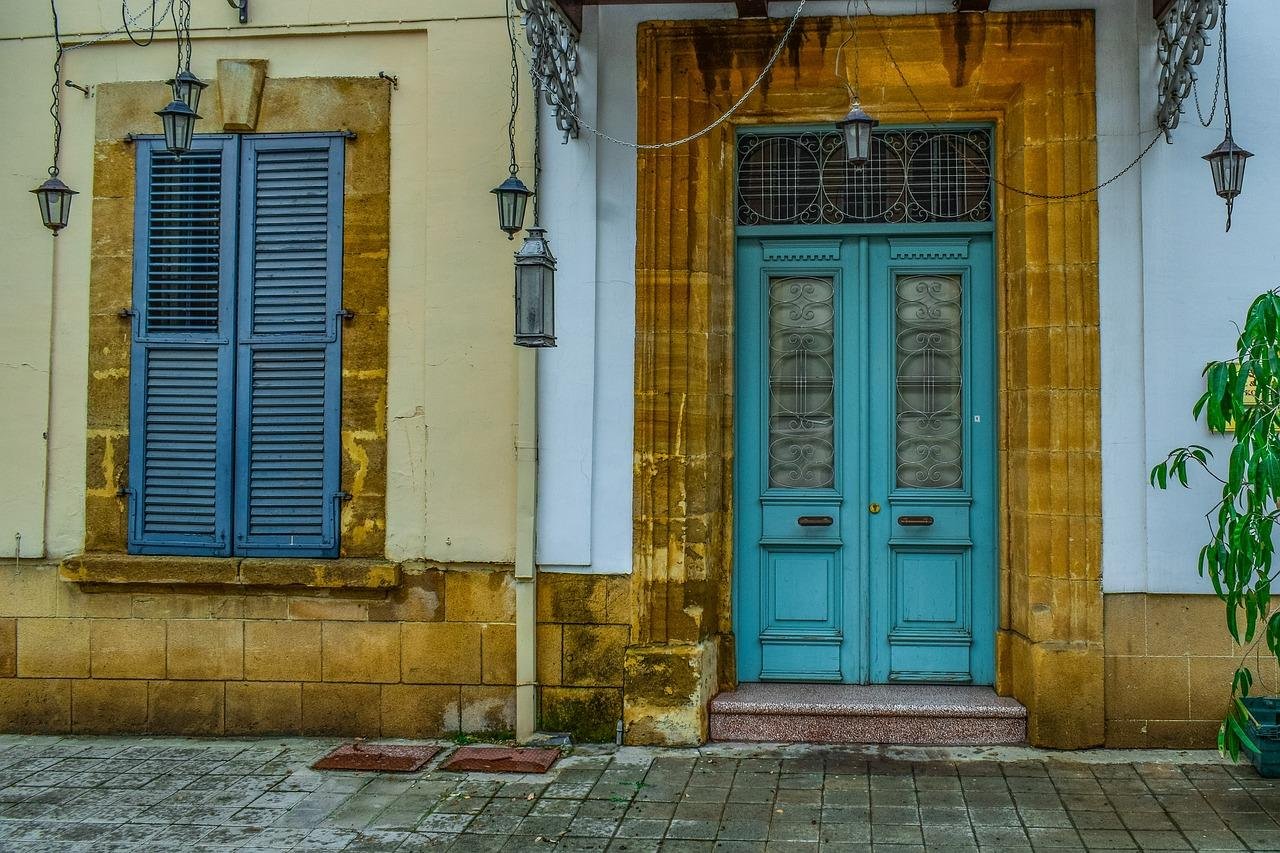
Nicosia, a city with a long history
Nicosia is the only European capital divided into two parts and this certainly has an impact on the life of the city. The historic part of Nicosia (Old Town) has its own unique charm. It is a diverse and multi-faceted area, both visually, culturally and historically.
According to archaeological research, the area where Nicosia is located is the only settlement on the island where life has continued uninterrupted from 3,000 BC to the present day. Known in ancient times as 'Lydra', it was a kingdom in its own right in the 7th century BC and became the official capital of the island in the 10th century AD. The city was under the control of the Byzantine Empire (330-1191), then the Louisianans (1192-1489) and the Venetians (1489-1571), and later the Turks (1571-1878) and the British (1878-1960). The influence of all these cultures and civilisations has left its mark on the city's cultural, architectural and gastronomic canvas.
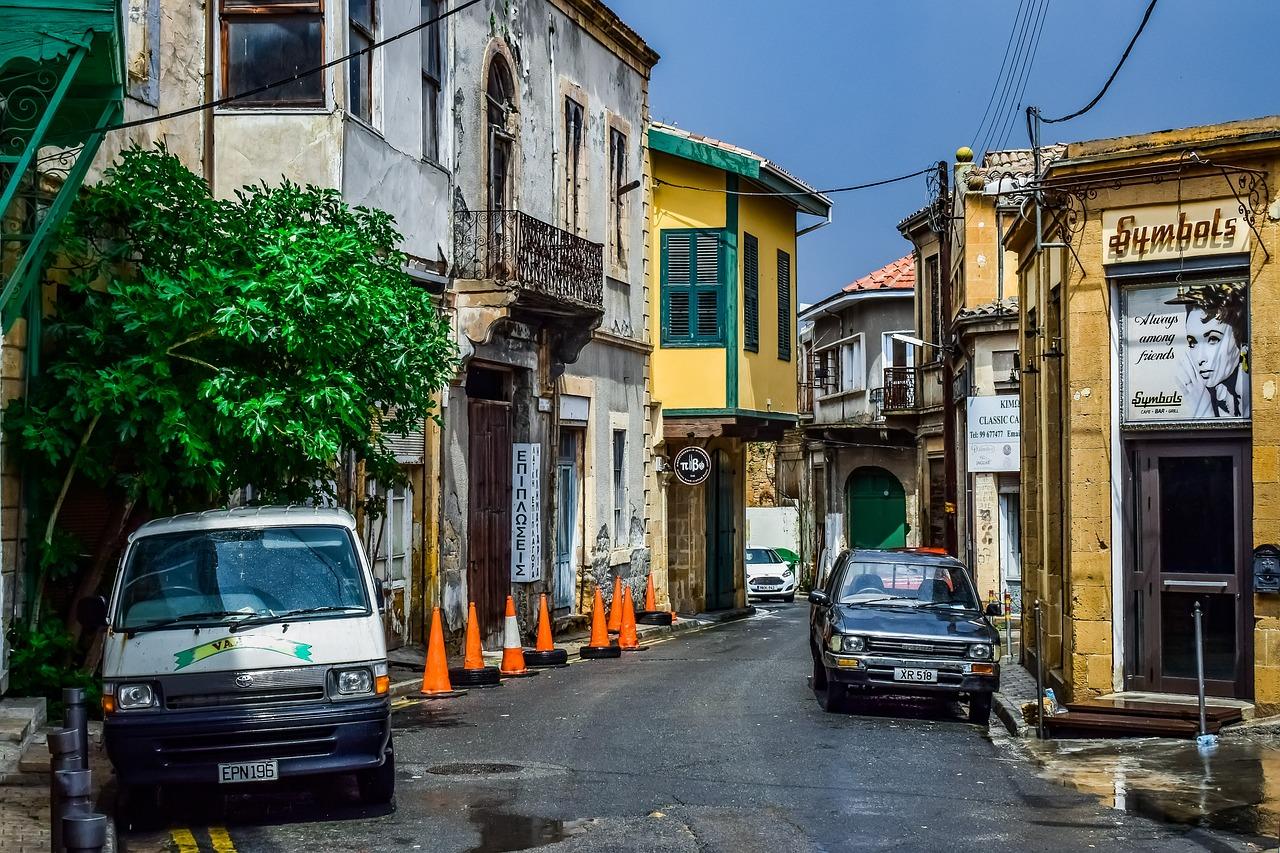
Architectural landscape of the old town
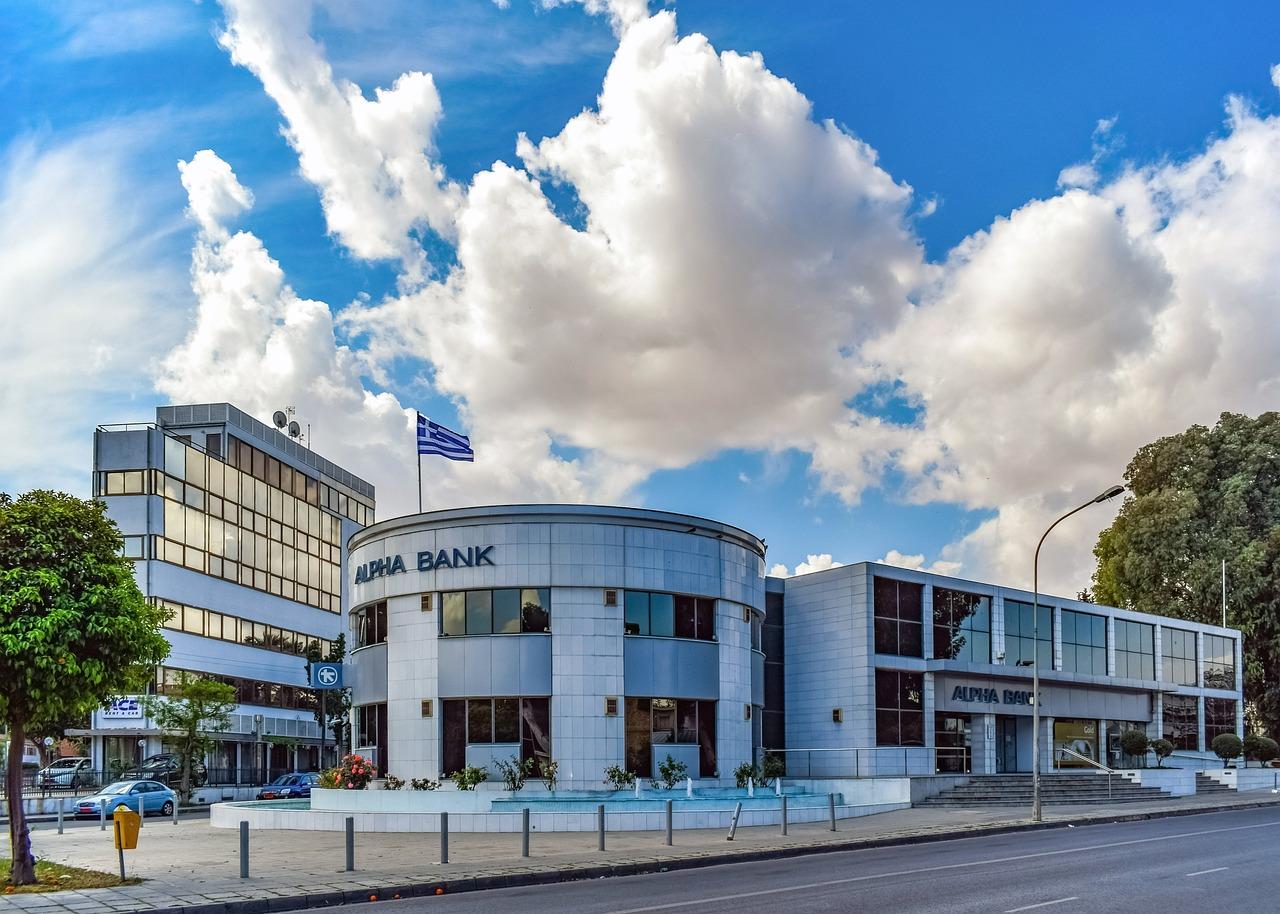
The architectural landscape of the old city reflects these influences. It is an eclectic mix of styles and materials, where Venetian style is juxtaposed with English colonial, and aristocratic mansions with the less aesthetically pleasing buildings of the second half of the last century, where limestone contrasts with glass and concrete structures. And amidst this architectural diversity, there are bold modern projects such as high-rise offices and apartments, as well as urban centres such as Liberty Square.
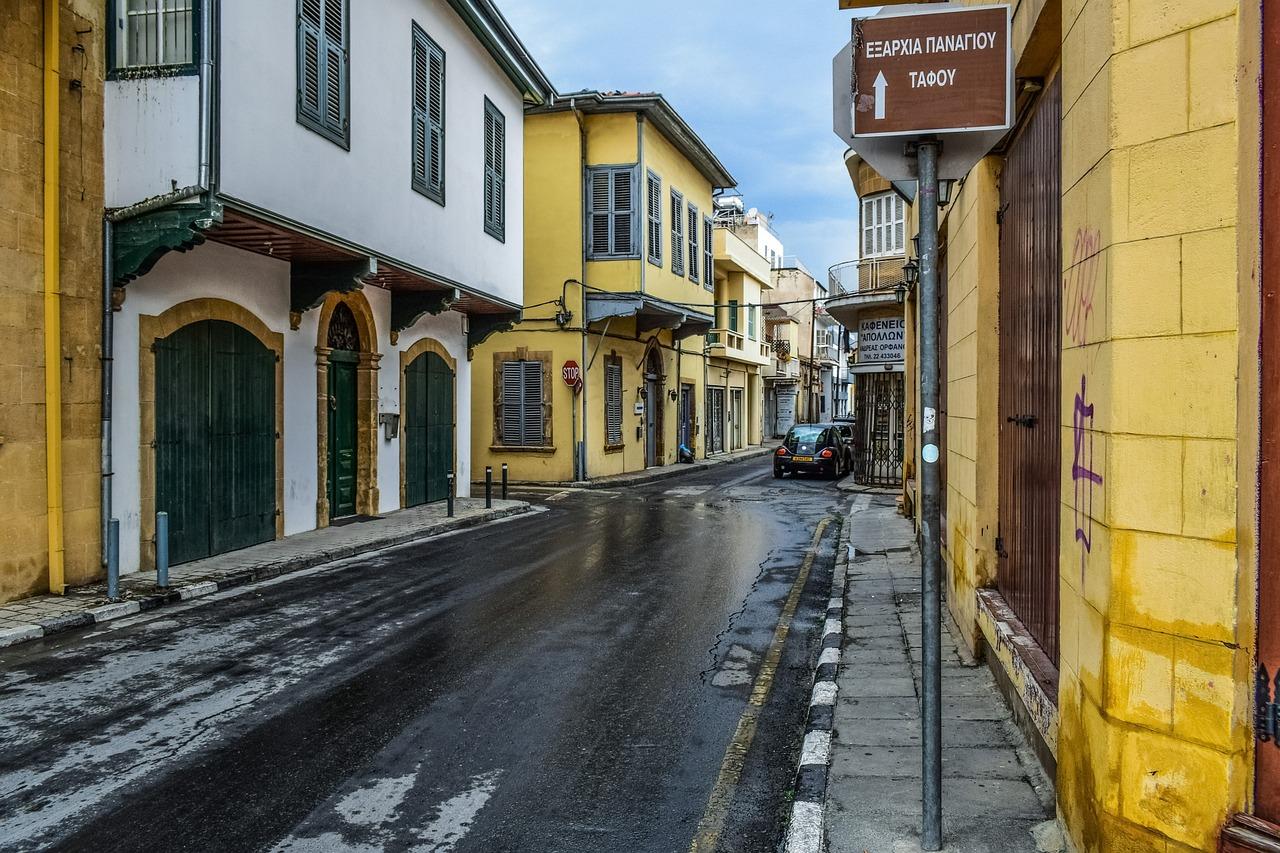
It is a city of contrasts and contradictions, where the East meets the West, the past coexists with the present, where splendour and beauty are juxtaposed with dereliction and ugliness, and where ancient Orthodox churches stand next to minarets and Turkish hamams. To appreciate the sheer scale and diversity of Nicosia, it's worth climbing to the Shakolas Observation Deck for a bird's eye view of the city. The yellow stone walls of the Venetian fortress frame the old town, which is lined with narrow streets of old town houses built in the traditional Cypriot style of the late 19th and early 20th centuries.
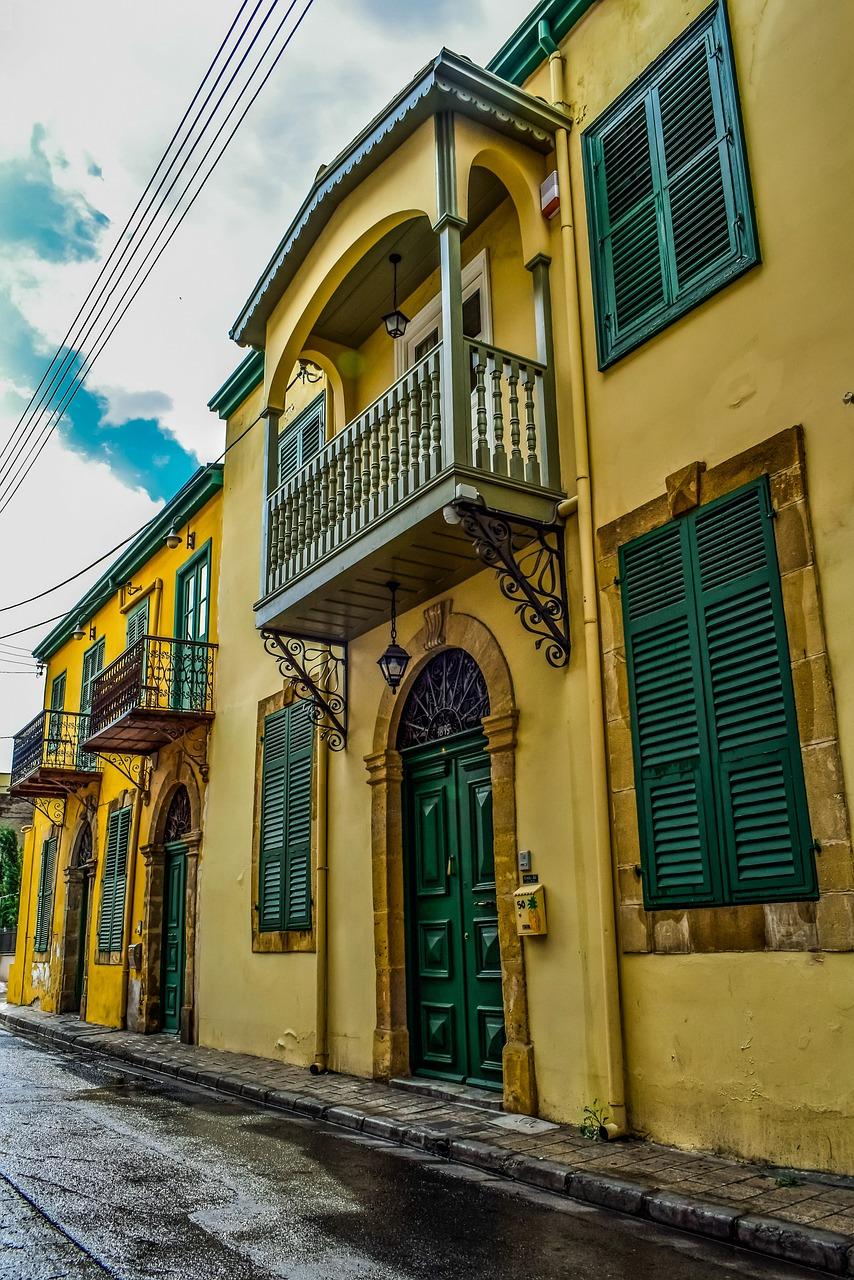
This style is a peculiar blend of Venetian, oriental and local influences. Although many are now in a dilapidated state, they have retained their former grandeur. Monumental and aristocratic, with thick walls, high ceilings, spacious courtyards and ornate staircases leading to the first floor. You can spend hours looking at their details: doors with moulded hammers and transom windows with lacy metal grilles bearing the year of construction, high windows, exquisite balconies, old decorated tiles, imagining the life of bygone days and their former owners.
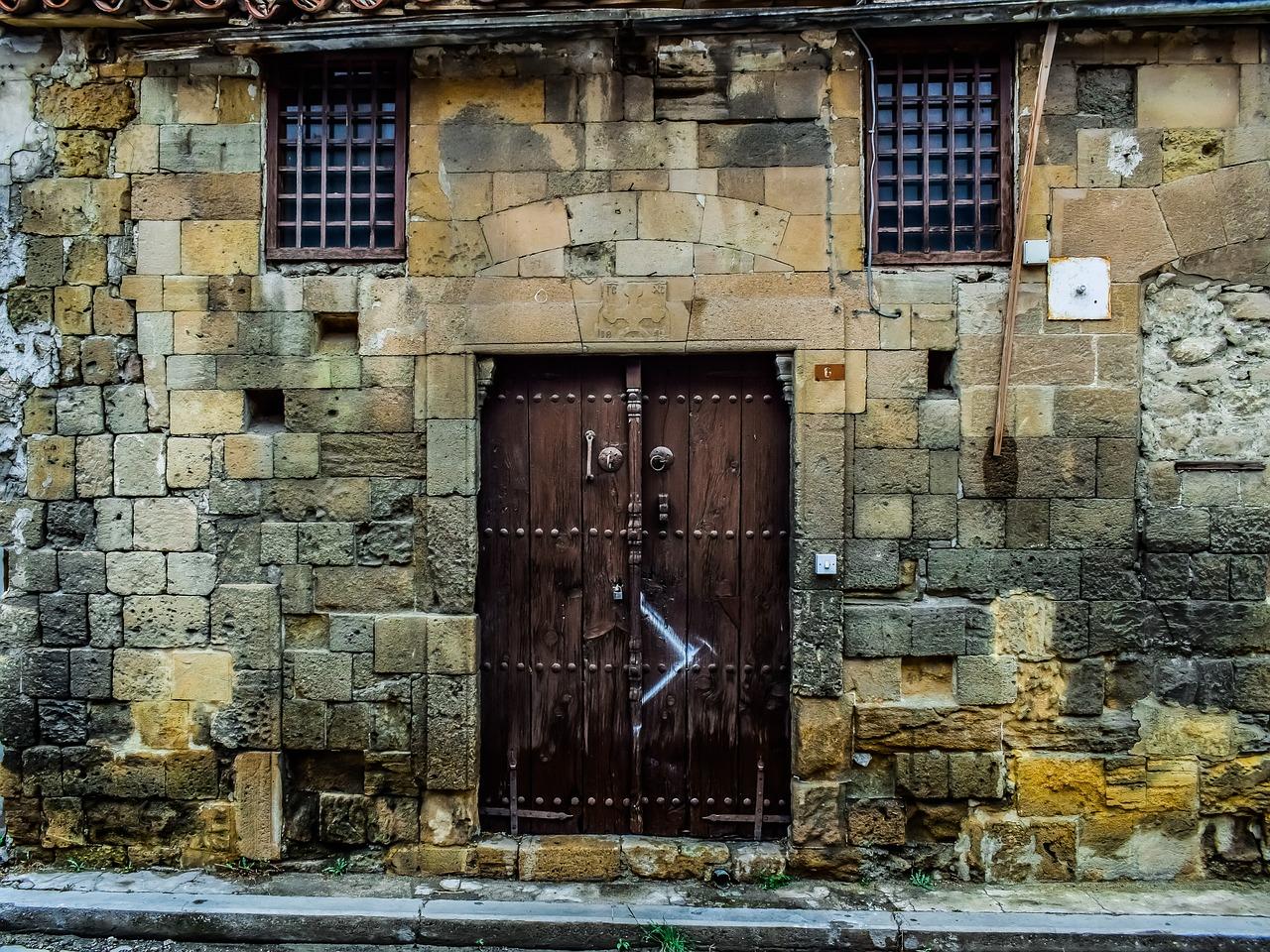
Old Town - the quarter of craftsmen and merchants
Historically, the Old Town was a district of merchants and craftsmen. From the end of the 19th century until the 70s of the 20th century, the area was bustling with activity and trade. It was a district of tailors, shoemakers, carpenters, tanners and metalworkers, especially copperworkers. The surviving textile shops on Lidra and Onasagoru Streets are a reminder of the trade and craftsmanship of the past.
Walking along the old narrow streets from the centre to the gates of Famagusta, you will find many workshops, most of which are now abandoned or closed, and only a few of which are still alive. Some of these buildings have been reinterpreted by a new generation and turned into small cosy cafes, bars, shops or studios of independent artists.
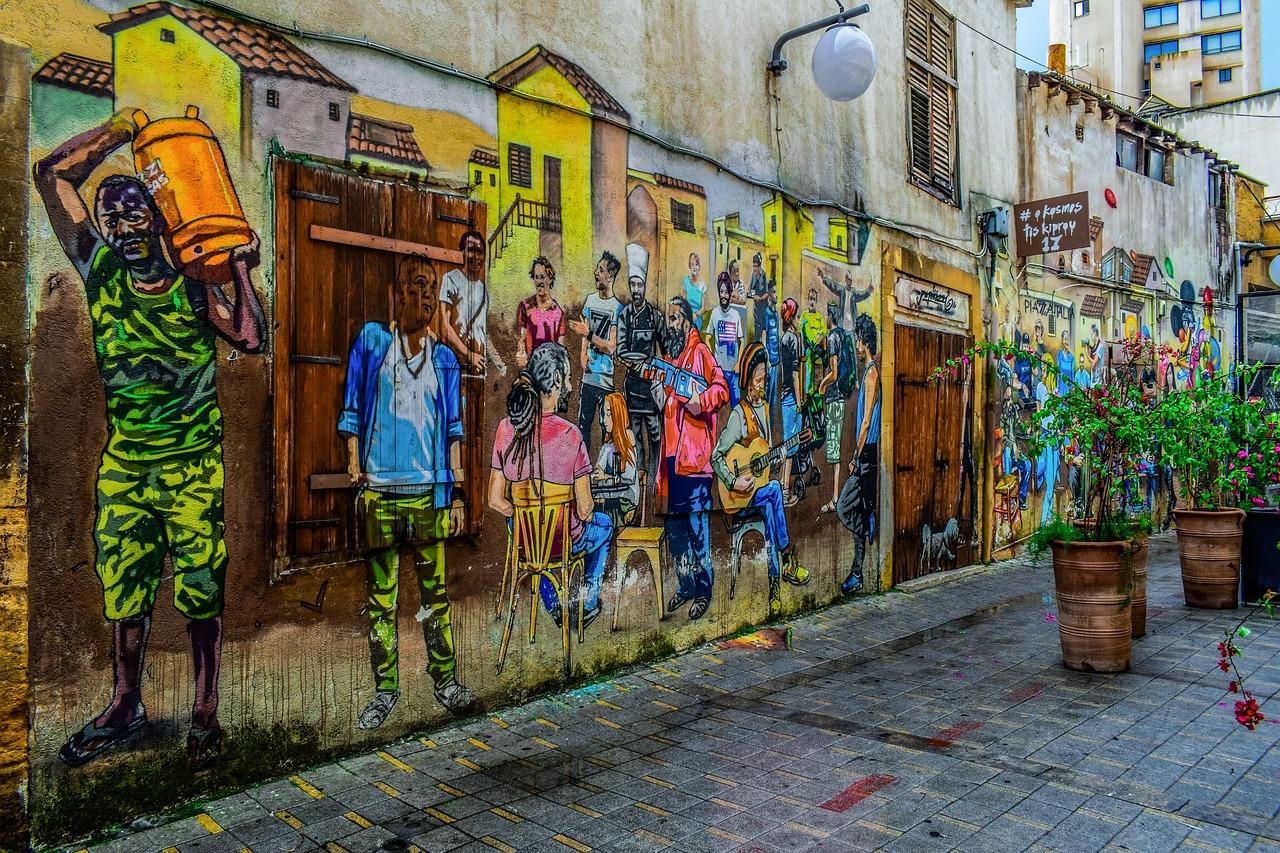
But you can also find many abandoned shops with faded tin signs from the 1950s, their darkened windows revealing goods and household items, old newspaper clippings, and abandoned workshops still containing dusty materials and equipment. They are like capsules of history, preserving a moment in time. Time seems to have stopped in them the moment their owners left them, leaving everything as it was for many decades, as if waiting to return. One gets the feeling that these abandoned buildings continue to wait and live their own lives, unknown to us.
Real estate
The property market in the old town was in decline after the 1974 military conflict and the division of the city into two parts. Residents and traders did not want to be so close to the dividing 'green line' and the area was virtually deserted and property values were as low as possible. It is only recently that this trend has changed and the prestige and value of property, and the demand for it, has increased considerably.
The old aristocratic houses in the centre of the city will not leave anyone indifferent. But most of them either have local owners or are still owned by the Turkish Cypriots who abandoned them during the events of 1974. As a result, many of them are in a dilapidated state. Although there are architectural studios capable of restoring them to their original appearance, this is a very energy-intensive, time-consuming and expensive process.
In general, properties in the old town are apartments of varying ages. Their quality depends on the condition of the building itself and its age. If the building is not new, there may be communication problems.
Today, new, recently built or still under construction residential complexes in the city centre are gaining in popularity. Thanks to modern architectural solutions, they combine comfort, functionality, environmental friendliness and aesthetics, with a comfortable layout and large windows offering views of the old city.
Apartments in new complexes help to combine comfort and all modern conveniences with living in the historic centre, close to ancient monuments.
Pros and cons of living in the historic centre
The main advantages are:
- Convenience: All shops, cafes and restaurants are within walking distance, which is very convenient for those who do not want to spend all their time driving, but prefer to explore the city on foot. There is no fear of getting lost in the narrow streets, as this is the only way to discover new places of interest - cafes, bars, interesting shops, bookshops, antique shops and small galleries.
- No sense of isolation: Many more expats live in the centre than in residential areas.
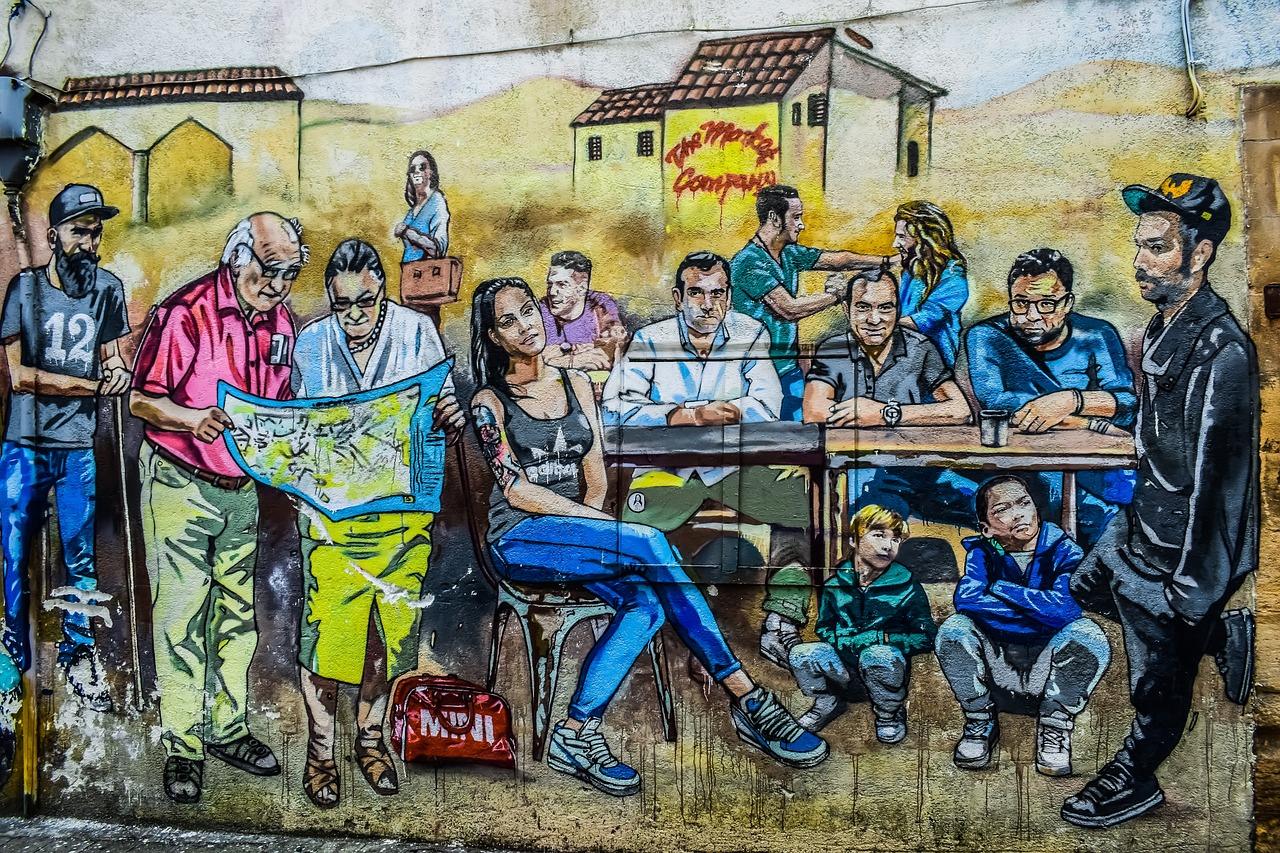
- A vibrant cultural life: The capital's cultural life is full of events, with exhibitions, theatre performances and lectures every month. And at night, many venues host independent musicians, with jazz, reggae and local musical influences particularly popular. There are many museums and galleries in the historic city centre.
- City life without the hustle and bustle of the big cities: Although Nicosia is the capital of the island, compared to Limassol it is a rather quiet and measured city, where you can stop and take time for yourself, where you can take your time and follow the local rhythm of 'siga siga'.
Possible disadvanteges:
- Noise: Although the city is not very large and densely populated, life in the historic centre is noisier and busier than in the suburbs - this includes noise from traffic and construction during the day and from music in bars at night.
- Distance from the sea: This applies not only to the historic centre, but to the city as a whole. Nicosia is in the centre of the island and the nearest coast, Larnaca, is about 40 minutes away by car. For the same reason, the air here is quite dry and temperatures are slightly higher in summer than on the coast, while in winter it is much cooler.
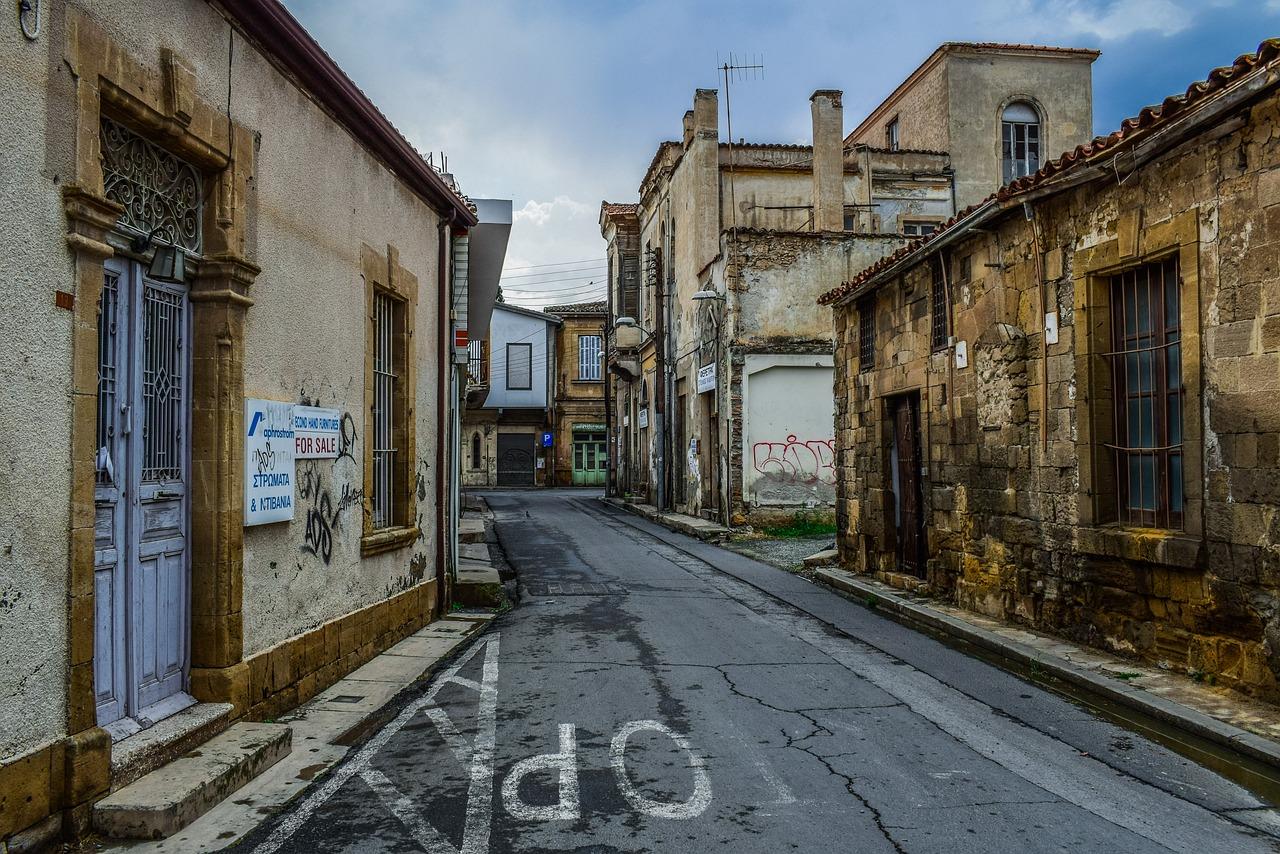
- Visual chaos and lack of planning: Next to renovated houses and well-maintained streets, there are frankly abandoned dilapidated buildings, often built in the 70s and 80s. Even the main streets, Lidre and Onasagoru, lack a well-maintained appearance and local colour. Many shops and cafes are closed or abandoned, giving the area a grim look. The area continues to change and develop, and only time will tell what it will become in the future.
- Disadvantages for disabled people: The Old Town is not well adapted for people with disabilities, there is a lack of pavements and ramps.
- Parking: When travelling by car in the old town, it can be difficult to find parking in the narrow streets.
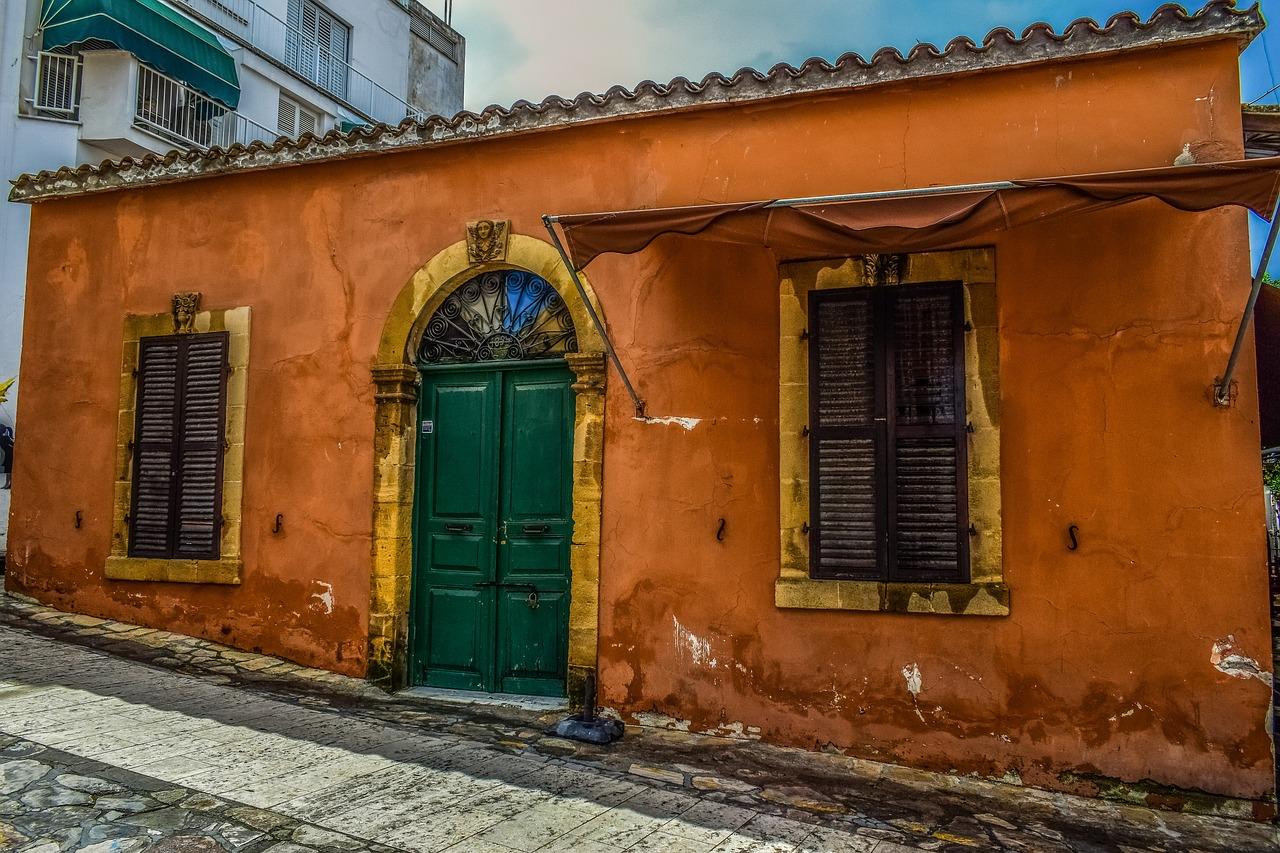
Overall, Nicosia is a city that can't be seen in one day. It will not reveal all its secrets all at once. It is a place for those who like to explore on their own, gradually discovering new places of interest. It is like an old, dusty chest that you can dig through to find something truly valuable and unique.
Read also: