Buying property is a very important and responsible step — after all, they don’t say “my home is my castle” for nothing. And every year more and more expats choose to build their “castle” in Cyprus. This is no surprise! In recent years, the Cypriot real estate market has created very favorable conditions both for investors and for first-time buyers. Property prices continue to rise steadily while still remaining reasonable, and demand keeps growing. Perhaps you have already found your dream home or apartment, and all that’s left is to sign the contract and pay the deposit. But to ensure that your dream does not turn into disappointment, it’s essential to familiarize yourself with certain aspects of Cypriot law before purchasing. Buying real estate in Cyprus has its own specifics. Today, we will look at some of the common mistakes foreigners make — and explain how to avoid them.
Buying Property Without a Title Deed
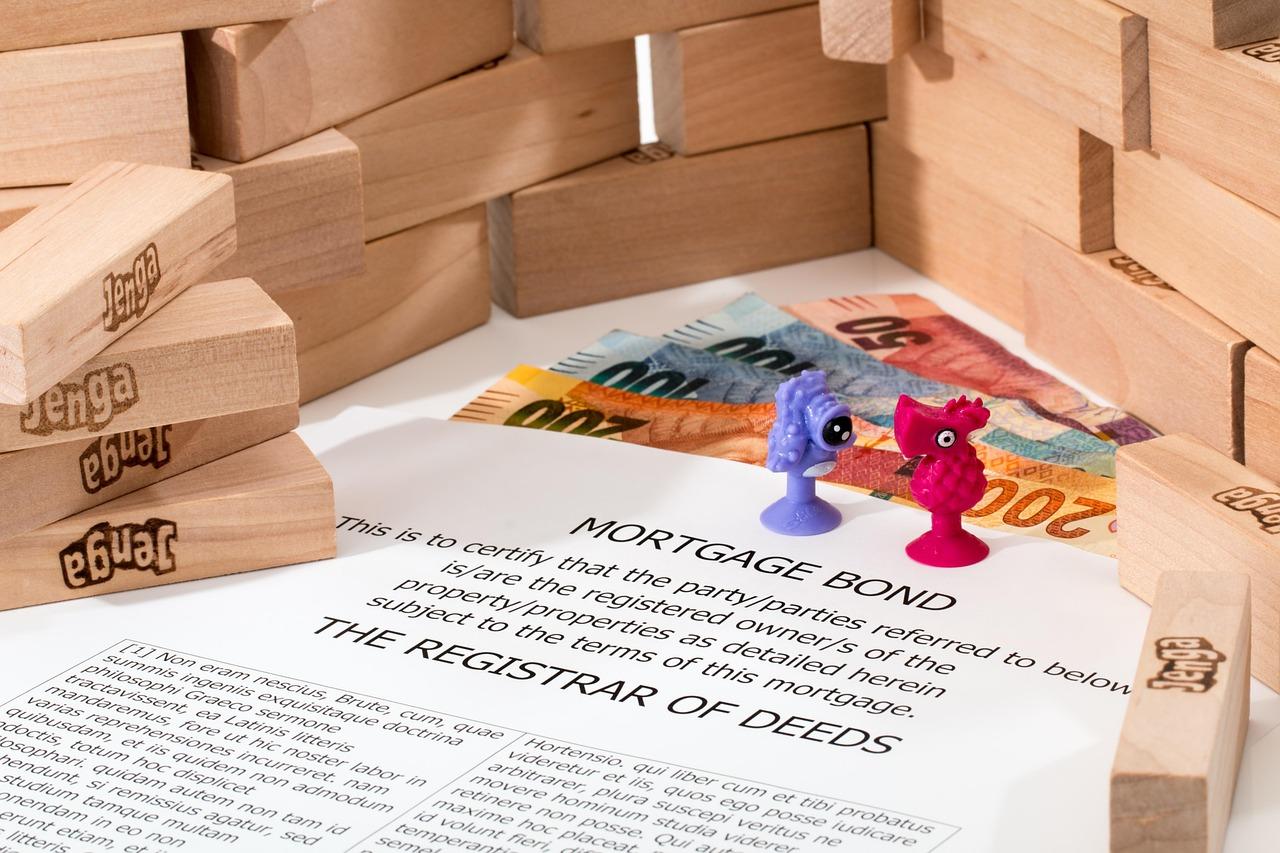
In Cyprus, the main document that confirms your ownership of a property is the Title Deed, also known as the Certificate of Registration of Immovable Property. This document is issued by the government’s Land Registry Office. Although such a system does not exist in all countries, in Cyprus you cannot freely sell, mortgage, or transfer your property without a title deed.
Unfortunately, many foreign investors do not know this and often buy property without a title deed. There are several reasons for this:
1. Delays from developers
When it comes to new projects, developers do not always manage to issue individual title deeds on time. This often happens due to bureaucratic delays in permits, incomplete paperwork, or debts the developer owes to banks. This issue is especially common for apartment buildings.
2. Foreign buyers are allowed only one title deed
Non-Cypriot citizens may officially hold only one title deed on the island, while many investors acquire multiple properties.
3. Title deeds are expensive
Some buyers try to save money by purchasing property without a title deed. But this decision may cause serious problems later.
Without a title deed, the owner cannot freely deal with their property — they cannot sell it, mortgage it, or pass it on through inheritance.
Important: Simply buying a home in Cyprus does not grant full legal ownership unless a title deed is issued.
When purchasing secondary (resale) real estate, other dangers arise. Cyprus has large families, meaning the number of heirs to a property is often very high. It is not uncommon for a single home to have ten or more potential heirs. Therefore, transferring ownership requires approval from every single one of them. Tracking the full history of ownership and inheritance can be quite complicated.
If you purchase resale property without a title deed, you may encounter issues such as:
- Inheritance disputes
- Outstanding mortgage debts of previous owners
- The property being used as collateral by a bank
- Land registry disputes
- Unfinished legal processes related to the management or division of the property
Failure to Comply With Building and Land Registry Regulations
In order to register a Title Deed in Cyprus, the property must first have a valid building permit, a certificate of completion, an approval for use, and be properly registered with the Land Registry. It is also crucial to ensure that the developer has no outstanding mortgage debts upon completion of construction.
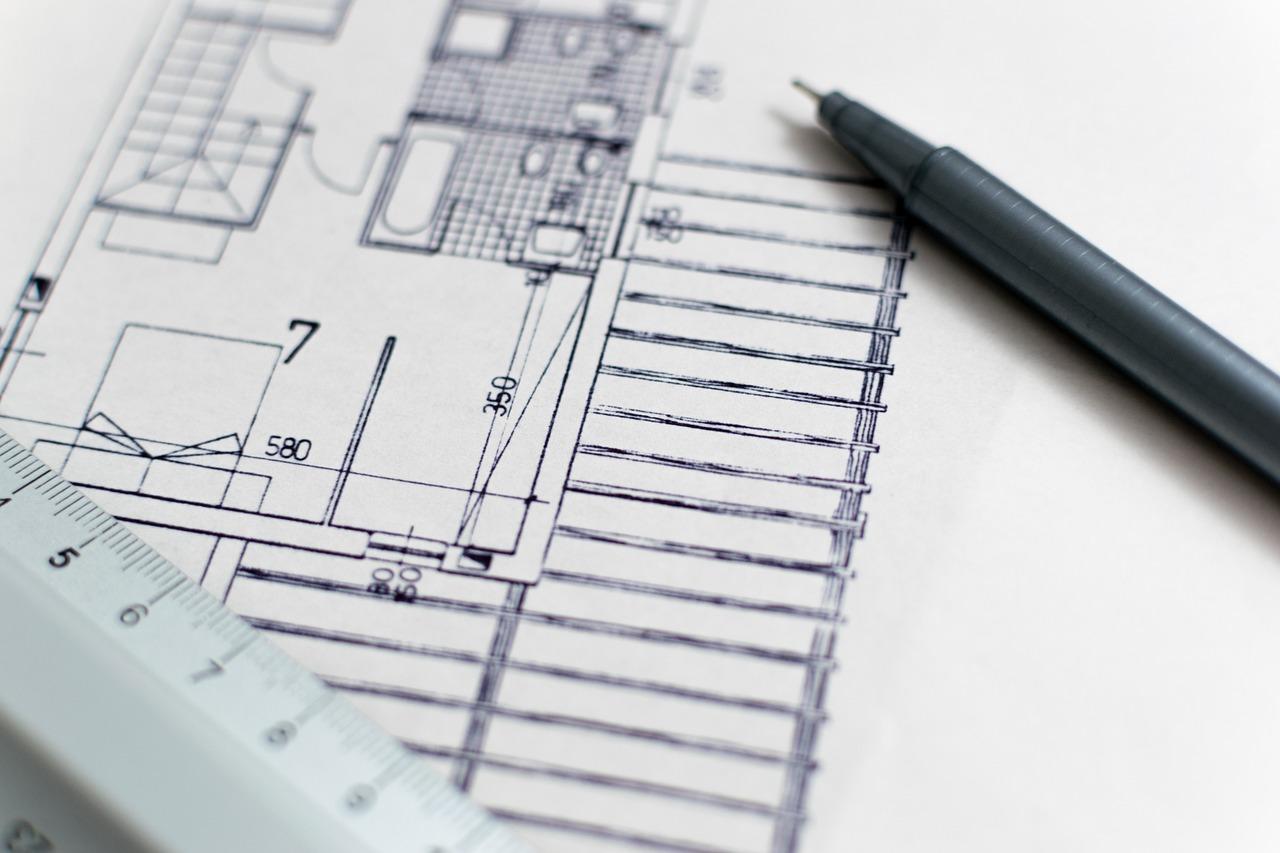
For new or off-plan projects, it is essential that there are no discrepancies between the approved architectural plans (drawings) and the final construction result.
When purchasing resale property, you must ensure that the house or apartment does not have extensions or structural modifications that are prohibited under Cypriot law. Most minor modifications can be legalized by applying to the local municipality. However, more serious alterations are regulated much more strictly by legislation.
Below are the most common examples of structural changes you should look out for when buying a home or apartment:
- Construction of extensions or additional floors
- Basements or attics being used as livable spaces
- Common areas incorporated into private property
- Expansion of the plot boundaries onto public or neighboring land
- Roof areas used as private terraces
- Full or partial enclosures built on balconies or verandas
- Construction of a swimming pool without appropriate permits
- Fences or barriers built higher than the allowed limit
- Installation of pergolas, canopies, gazebos, or verandas
If such modifications are found, the new owner will need to legalize them, which often results in additional costs and delays. In the worst-case scenario — if legalization is impossible — the structures may have to be removed, and the property restored to its original condition.
Purchasing Property Without an In-Person Inspection
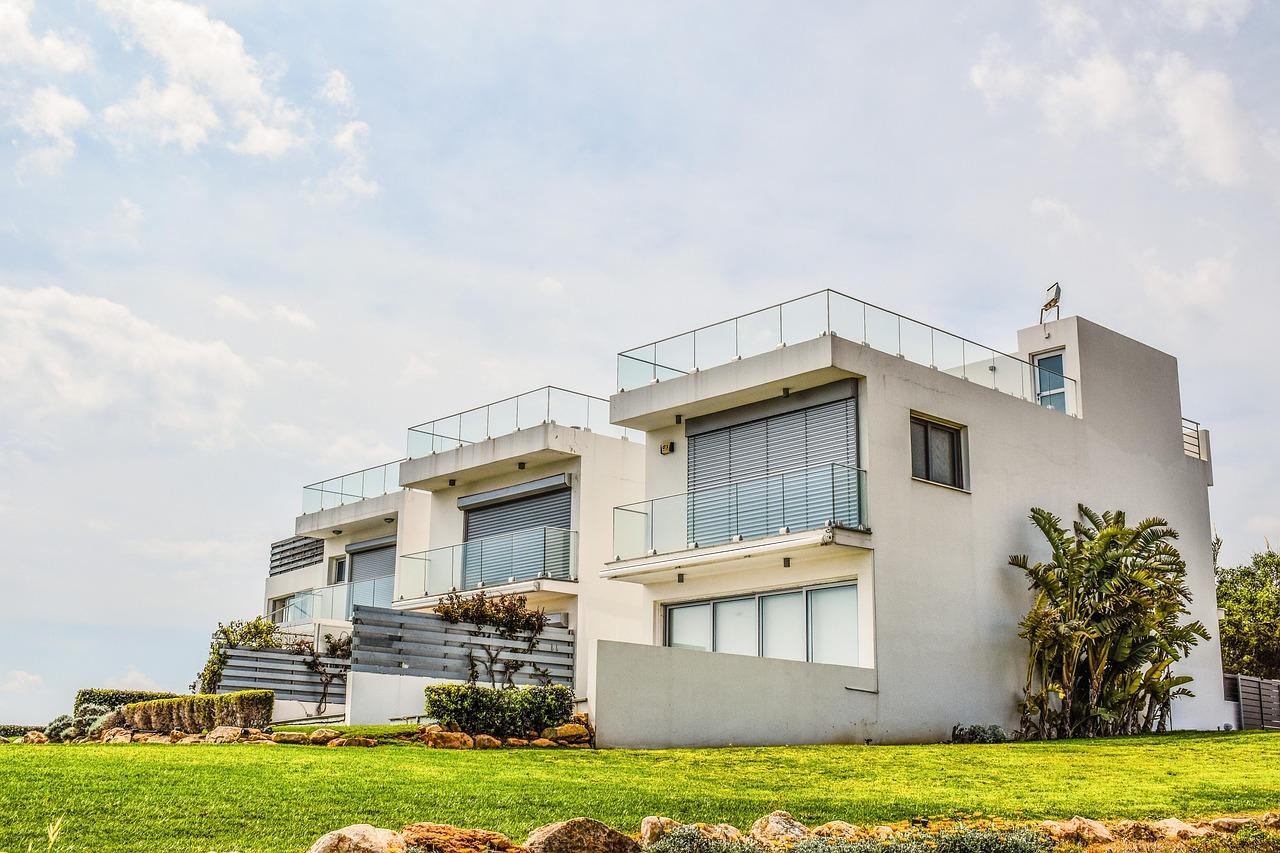
Recently, buying property in Cyprus at the construction stage (off-plan) has become a popular trend. Many investors, impressed by attractive visuals, models, and brochures, agree to purchase without seeing the completed property.
By doing so, they risk receiving a home with design flaws or finishes made from cheaper materials than advertised. Even if the developer is reputable, it is still strongly recommended to view the completed property in person. No matter how good a 3D rendering is, it cannot replace the experience of walking through your future home and touching the materials and finishes.
Resale properties can also hide surprises. Many older buildings look presentable at first glance thanks to cosmetic renovation, while the internal systems may be in poor condition. The most common issues include:
- Outdated electrical wiring
- Rusty or leaking pipes
- Sewage or drainage problems
- Lack of waterproofing in bathrooms
- Leaking roofs
For new owners, repairing or replacing outdated systems can cost tens of thousands of euros.

Additional Taxes and Fees
When planning your budget for purchasing real estate, it is important to consider additional expenses related to taxes and legal formalities. The total amount may reach around 10% of the property’s value:
- VAT is paid only when purchasing a new property and is approximately 5% of its value, provided that this is your first property in Cyprus, its price does not exceed €475,000, and its total area is no more than 190 m².
- Transfer fees — required to register the Title Deed. This fee is calculated based on the property value. Typically, for a house or apartment costing more than €170,000, the fee is 8% of the total value.
- Stamp duty for property valued over €170,000 is approximately 0.20%.
- Legal due diligence may cost between €1,500 and €5,000, depending on the price of the property.
- Property valuation fee will be around €500–€1,500.
In addition to these one-time fees, you will also face annual expenses: municipal fees, maintenance, apartment building management fees (for apartment owners), and pool/garden maintenance (for villa owners).
Thus, apartment owners should set aside an extra €1,200–€2,500 annually, while owners of houses and villas should expect €2,500–€5,000 per year for utilities and property upkeep.
All these additional expenses form a considerable amount, which can become an unpleasant surprise if you are not prepared for them in advance.

Lack of Legal Support
Since purchasing property in Cyprus involves many nuances, it is impossible to proceed safely without the help of a local lawyer. The right specialist will act in your best interests and help draft a contract that protects your rights as the owner. In addition, the lawyer conducts a full due-diligence check of all documents: title deeds, building permits, and any debts or unpaid obligations left by previous owners. They ensure the safety of the sale and all financial transactions.
A competent specialist will protect you from many of the common issues characteristic of the Cypriot real estate market:
- Illegal structural modifications
- Hidden debts on the property
- Absence of a title deed
- Unexpected additional expenses
- Potential legal disputes
In other words, a lawyer guarantees the complete safety and transparency of the property purchase transaction.

Useful Tips
- Use only verified real estate agencies registered in Cyprus. This helps ensure a proper property selection, guarantees high quality, minimizes risks, and ensures the transaction is legally clean.
- Always check that the property has a title deed.
- Take into account additional expenses, such as government fees and taxes, when budgeting for your purchase.
- Inspect the property in person before signing any agreement.
- When choosing a property, evaluate factors such as location, transport accessibility, noise levels, and its investment potential.
- If buying property for investment, thoroughly study the Cypriot real estate market and current trends.
- Remember: owning property alone does not guarantee Cypriot citizenship. It is only one of the required conditions.

Receiving the keys to your own apartment or house is one of the happiest and most exciting moments in a person’s life. And if your property is located on the most beautiful Mediterranean island, the joy is doubled. We hope our advice helps bring you even closer to your cherished dream — becoming a property owner in Cyprus!
Read also: