Did you know that mysterious stone monoliths exist in Cyprus? They can be found all over the island in the most unexpected places. At the same time, their purpose remains a mystery that fascinates scientists and ordinary people alike. Many attribute mystical properties to them and connect them with ancient religious cults. Their appearance cannot fail to intrigue — these are large stone boulders with smooth rectangular holes that resemble portals into the distant past of the island. Let’s try to lift the veil of mystery and learn more about them!
Monoliths of Cyprus: mysteries of the past and present
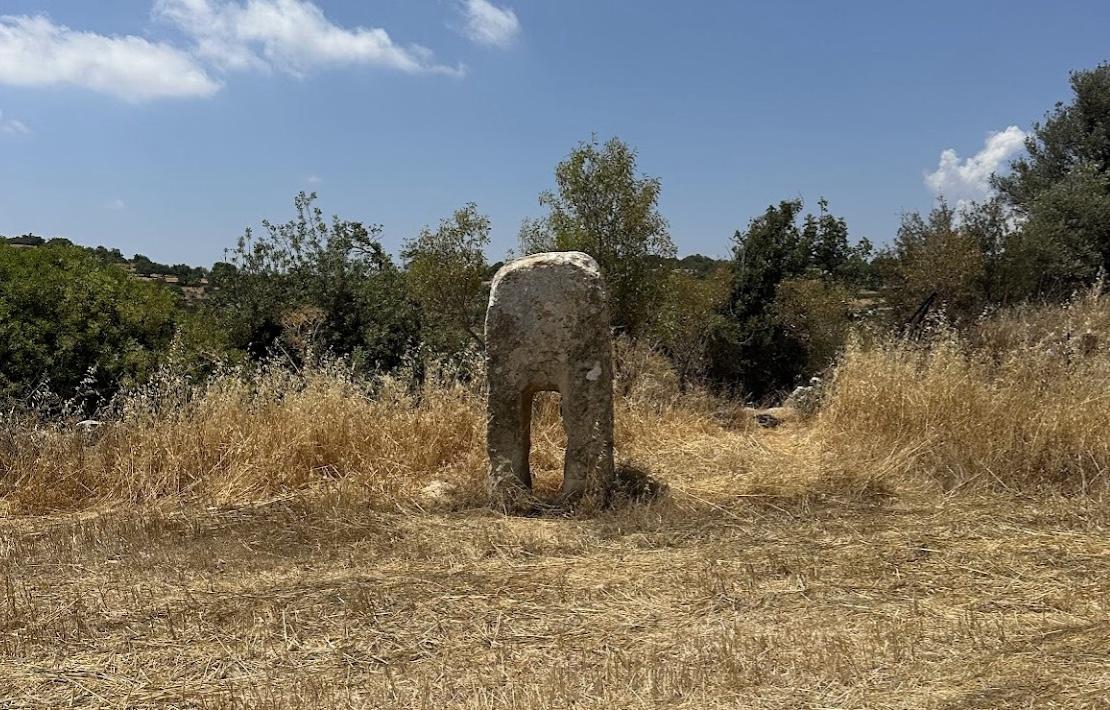
Perhaps the most mysterious and little-known historical attractions of Cyprus are the ancient stone monoliths. These massive stone boulders, from two to four meters high, with a neat rectangular opening inside, leave us with more questions than answers. Among locals they are also known as “tripemenes petres,” which translates as “holed stones.” The monoliths received this name because of the smooth openings, which look more like the work of human hands than the result of erosion.
These limestone monoliths are literally “scattered” across Cyprus. They can be found near many local villages: Kouklia, Dora, Pissouri, Pachna, Kolossi, Agios Fotios, Kedares, as well as in the north of the island. Interestingly, local residents are convinced that there are many more of these mysterious stones in Cyprus and that many discoveries still await us.
Most often in Cyprus you can find standalone monoliths, but sometimes there are small clusters of huge stones. To this day, no one knows who and when created these unique stone works. There are many hypotheses: from mystical to purely practical explanations. One thing is clear — the monoliths did not appear on the island by chance, and their age is at least several thousand years.
Where to find the monoliths of Cyprus: main locations on the island
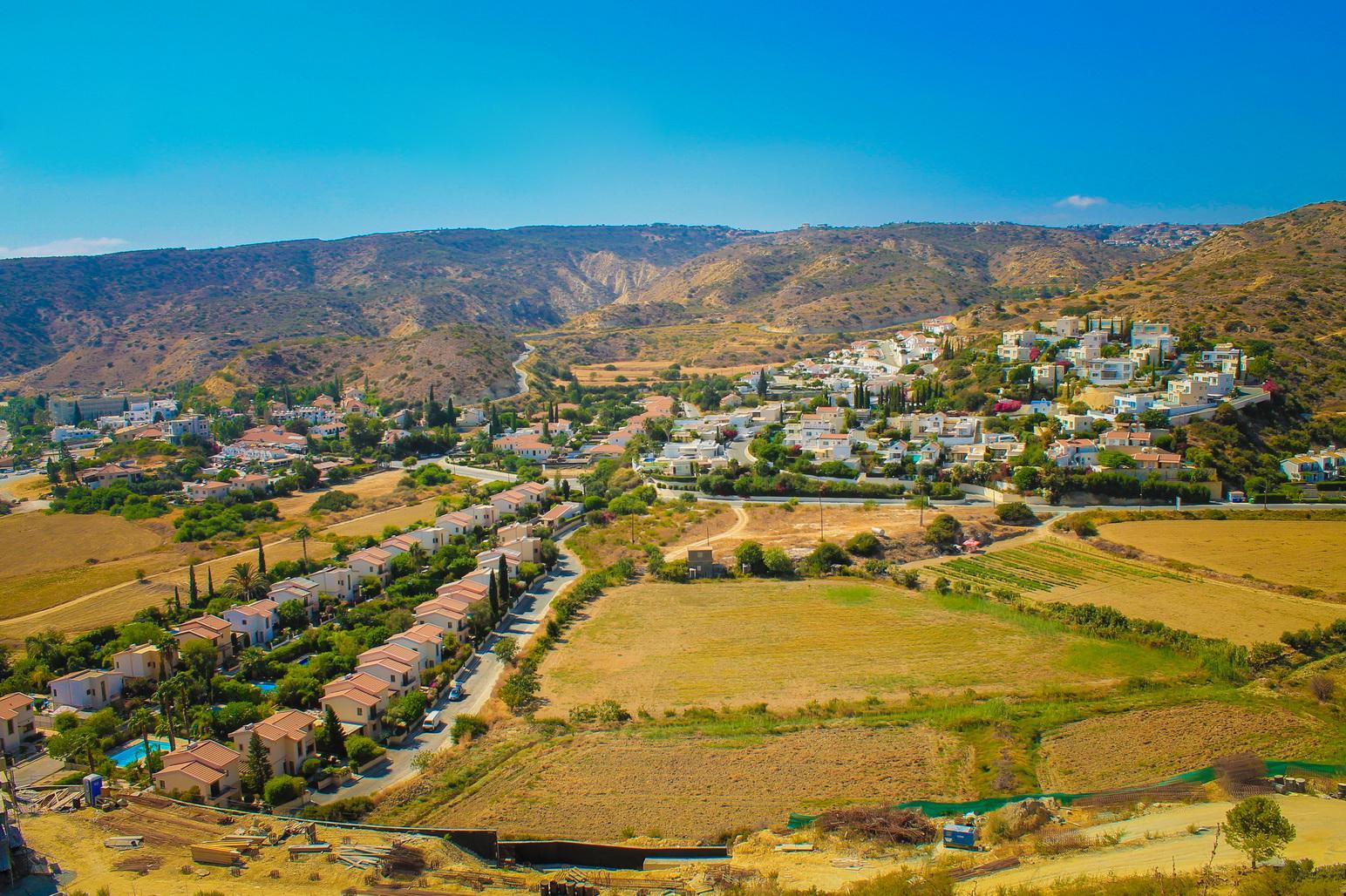
In the Limassol area there are quite a few places where you can see ancient monoliths. Among them: Kolossi, Fasoula, Kivides, Dora, Pachna, Pissouri. Special attention should be paid to the stone monoliths near the village of Pachna, which according to local beliefs possess healing properties. It is also worth visiting the monolith near the village of Kivides, which decorates a picturesque natural landscape.
In Paphos, a large concentration of monoliths is located near the Sanctuary of Aphrodite in Kouklia. Monoliths can also be found near the villages of Kissonerga, Agios Fotios, Kedares, and Episkopi. On the occupied territory in the northern part of the island there are also stone monoliths. Most of them are in the Kyrenia area and near the village of Flamoudi.
Mysterious monoliths of Cyprus: origin and purpose
Version 1: Ancient olive oil presses
Most scientists agree that the Cypriot monoliths were part of ancient presses. They were used for extracting olive oil during the Bronze Age and the Hellenistic period. It is believed that giant wooden levers passed through the holes in the monoliths, setting stone presses in motion.
Evidence for this hypothesis is the strategic location of the monoliths — in villages considered centers of olive oil production during the Bronze Age. In addition, stone depressions and reservoirs for collecting oil, dating to the same period, were often found nearby.
Version 2: Cult and ritual structures: connection with ancient sanctuaries and astronomy
According to one legend, the monoliths were created by the cousins of Aphrodite, which is why they have healing properties. There is a belief that if you pass through the opening in the stone, you can be cured of infertility and other illnesses. According to one 19th-century researcher, local residents believed this. Many reportedly cured infertility, fever, and other illnesses in this way. This custom still exists today. Another proof of the connection between monoliths and the cult of Aphrodite is their location. Most stones are located near temples and cult centers dedicated to the goddess. The largest number of monoliths is concentrated in Paphos, especially near Kouklia, which was a major ancient center of the Aphrodite cult.
Another local belief links the monoliths with the Lycaonians and their mystical rituals. Ancient people believed that if you pass through the opening of a monolith during a full moon, your deepest wish will come true.
There is also an opinion that the monoliths were used for astronomical observations. Another plausible theory suggests that monoliths were used as structural elements in ancient construction. In particular, wooden beams were inserted into their openings or ropes were threaded through them, helping move heavy boulders over long distances. Similar practices existed in other ancient cultures and were used in megalithic structures. This hypothesis may indicate that monoliths could have been involved in ritual structures as early as the Neolithic period.
Drilled monoliths of Cyprus: technologies of ancient masters
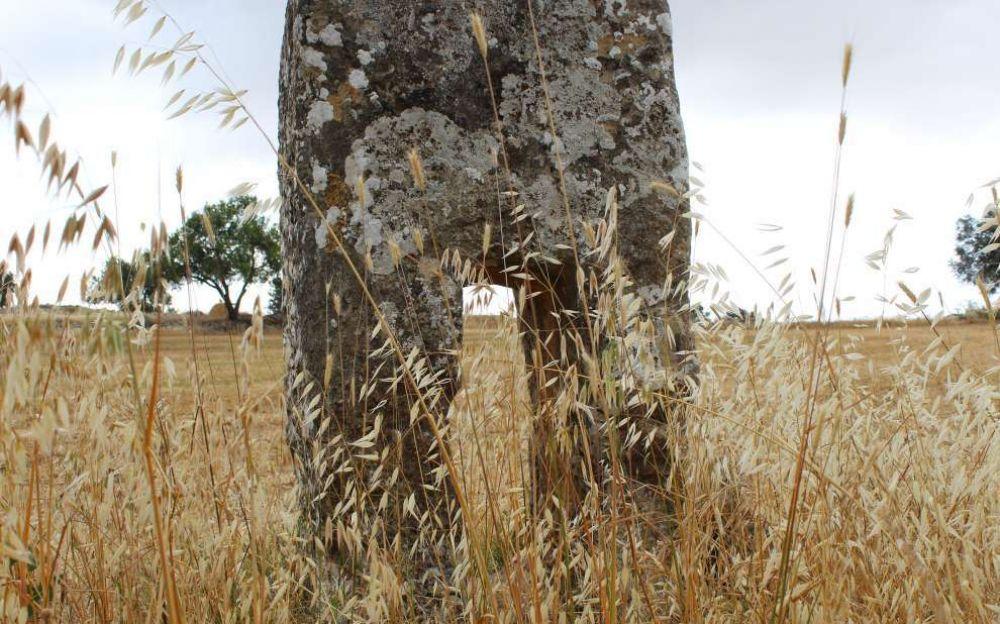
No one knows the exact age of the monoliths. One can only guess how ancient people managed to create such even openings in them. If we assume these unique stones appeared during the Neolithic period (before metal tools), then most likely ancient craftsmen carved them using harder stone materials.
For example, hard rocks (dolerite and andesite) could have been used for the main work, and obsidian for finer work. By the way, many expertly crafted tools from that time made from these materials have been found in Cyprus. It is quite possible that they first marked the perimeter of the hole with thin lines using a sharp point, and then used a hammer. If the drilled monoliths of Cyprus appeared later (during the Bronze Age), then in addition to stone tools, bronze or copper blades and tips may have been used.
Heroes of legends: the most famous monoliths and their stories
Petra tou Romiou — the cradle of the goddess Aphrodite. The legend of the goddess’s birth and the hero Digenis
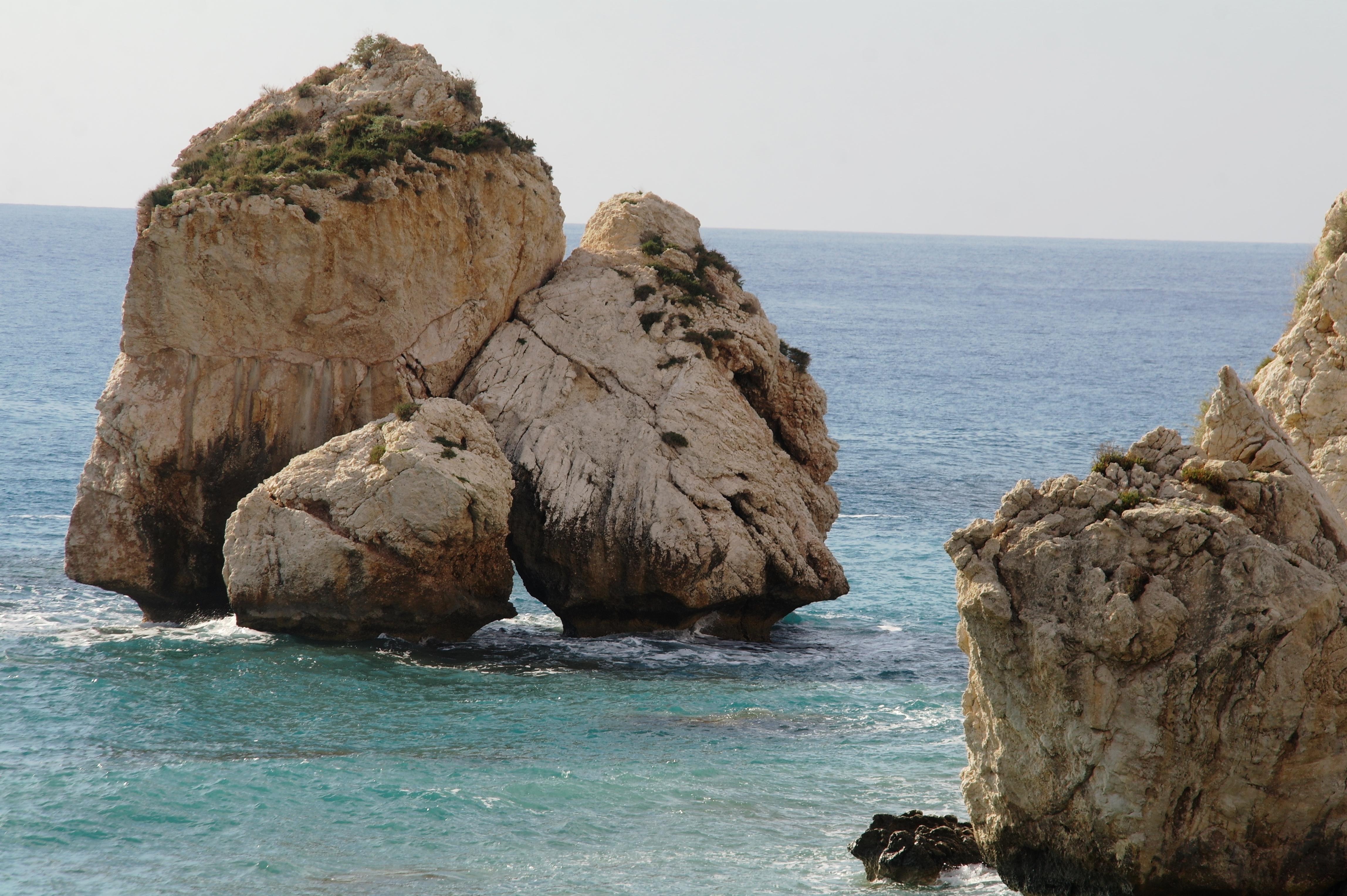
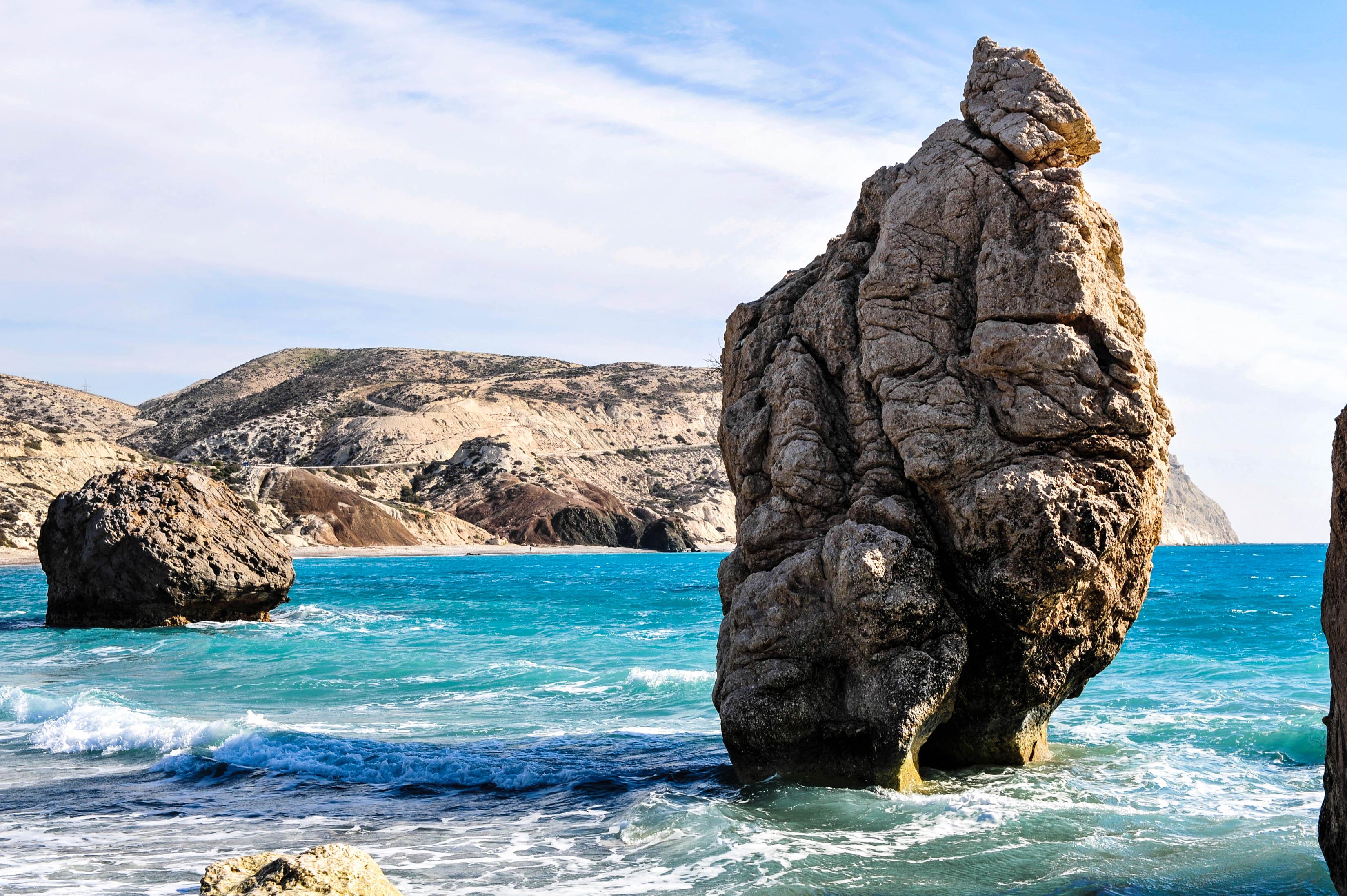
The beach of Petra tou Romiou is inseparably connected with the mythical goddess of beauty and love, Aphrodite. According to legend, she was born from sea foam. She came ashore precisely at Petra tou Romiou beach, where she was greeted by the goddesses of the seasons, the Horae. They gifted Aphrodite beautiful garments and jewelry. That is why Cyprus has been considered a center of Aphrodite worship since ancient times, and the rock of Petra tou Romiou — the goddess’s stone. According to folk beliefs, this place is endowed with special power. It can grant beauty, love, and youth to those who bathe near the legendary rock.
Another version takes us to the Byzantine era and tells about the local hero — Digenis Akritas. He was the son of a wealthy Muslim emir who fell in love with the beautiful daughter of a Byzantine general. Digenis was a skilled warrior known for his incredible strength. He defended the Cypriot borders from Saracen raids. During one such battle, he threw huge stone blocks from the Troodos Mountains into the sea to sink an enemy ship. Thus, Digenis saved Cyprus from enemy forces.
The name Petra tou Romiou itself means “the hero’s stone.” Historians believe that the myth of Digenis has a real historical basis. In folk tales, Digenis appears as a collective image of several Byzantine heroes who guarded Cyprus’s borders and protected it from invaders.
Geology and scientific explanations
Although folk legends give Petra tou Romiou romance and mystery, there is a more plausible scientific explanation for its appearance. As a result of the collision of the African and Eurasian tectonic plates, the seabed was pushed to the surface, forming coastal cliffs. They consisted of both hard and soft rocks, which over hundreds of thousands of years were subjected to erosion. As a result, softer rocks eroded faster, creating separately standing stone formations of unusual shapes.
Practical information: how to get there, coordinates, tips for tourists
Petra tou Romiou is located between Limassol and Paphos, along the A6 highway. To get there from Paphos by car, drive toward Limassol and follow the signs that will lead you directly to the location. The drive from Paphos takes about 30 minutes.
If traveling from Limassol, head west along the same A6 highway toward Paphos. This time you need to turn left and follow the signs. Travel time from Limassol is approximately 40 minutes.
There is a free municipal parking lot near this attraction. During the summer season, parking spaces may fill quickly, so it’s better to arrive early. To descend to the beach you need to go through an underpass that begins near the café. Comfortable flat-soled shoes are recommended.
You can also reach Aphrodite’s Rock by bus running on the Paphos—Limassol route. However, caution is required, as the stop is located along the highway. A one-way ticket costs 5 euros, and a round trip — 9 euros.
Paleoskiti menhirs — the silent guardian of the Bronze Age
Archaeological reference
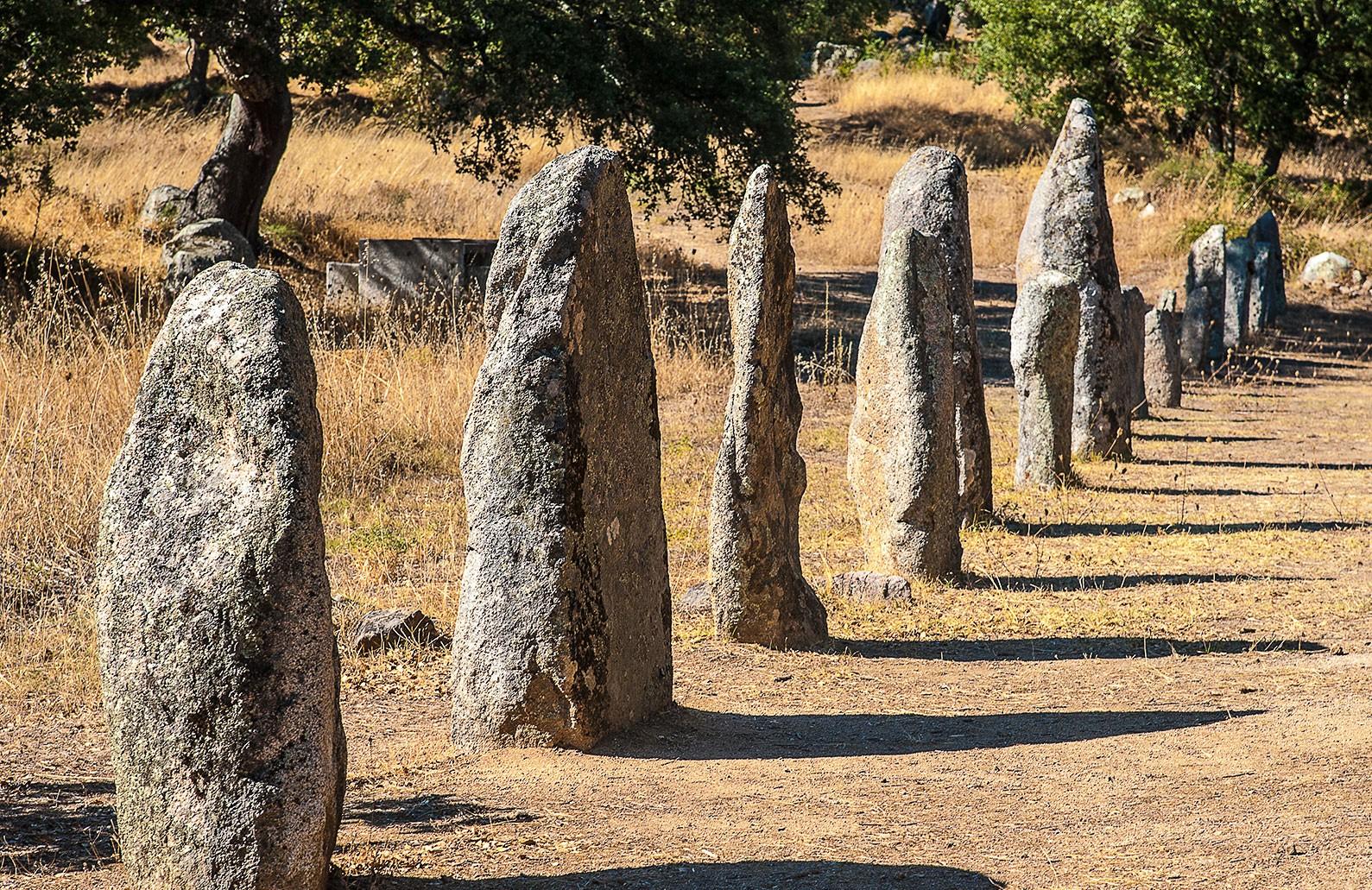
Located in Kyrenia, in the Pentadaktylos Mountains, the “Paleoskiti Menhirs” are an amazing creation of human hands, as well as an important spiritual center of the 9th–10th centuries AD. During the Byzantine period this place was a monastery where anchorite monks (hermits) settled in search of solitude. The site consisted of small sketes carved directly into the rock with labyrinth-like rooms: tiny cells, a chapel, and storage structures.
The main chapel was entirely carved from stone. Its dimensions were about 7 m long and 5 m wide, and the dome rose 3–4 m high. Notably, the chapel area did not exceed the size of the famous giant stone vessels of the Bronze Age found in Cyprus.
The complex also included large stone cisterns for collecting rainwater. All rooms were connected by narrow stone corridors and passages. The history of this Cypriot attraction is shrouded in mystery. It is believed that it appeared much earlier than the 10th century AD.
According to one version, with the arrival of Christianity in the first centuries AD, ascetic monks carved these cells out of stone. Some claim that the “Paleoskiti Menhirs” appeared much earlier — thousands of years ago. Supporting this theory is the fact that the area was densely populated already during the Bronze Age. Many ancient settlements, as well as ritual structures and tombs from that period, have been found around Kyrenia. It is quite possible that the complex was once part of pre-Christian ritual structures.
Unfortunately, today the condition of the “Paleoskiti Menhirs” in Kyrenia leaves much to be desired. The unique site is abandoned and gradually deteriorating. Of particular interest are the remains of Byzantine medieval frescoes dating to the flourishing period of icon painting on the island.
How to find the menhirs today: detailed route
Since car insurance rules differ between the Republic of Cyprus and the TRNC, it is recommended first to cross the “green” line in Nicosia. Then, on the northern side, rent a car or call a taxi. By car, you should drive to Famagusta toward Pyrgos, then to Lefkoniko, where the menhirs are located on the southern rock slopes. The final part of the route from Lefkoniko must be done first on a dirt road and then on foot along an unmarked trail. Be careful! It is easy to get lost in this deserted area, as there are no people or basic signs. It is important to take a supply of water, a sun cap, comfortable shoes, and a charged phone. Alternatively, you can go there with a guide or as part of a tour group.
How to plan a trip to the mysterious stones of Cyprus?
Car rental vs excursions: pros and cons
Car rental. Traveling by your own car gives you complete freedom of movement and the ability to plan your day however you wish. You can always change the route, even at the last moment. Or stay longer somewhere to enjoy the atmosphere. At the same time, it is easier to get lost on such a trip or fail to find some monoliths, as many are not marked on maps. Also, GPS may not work in some remote areas, so it is better to take a physical map.
Excursions. Cyprus offers a large selection of excursions, both group and individual. If you choose the first option, it is better to look for specialized thematic tours with an archaeological focus. The advantages include good organization and a well-thought-out route. Experienced guides already know where the monoliths are located, so you won’t need to search long. Along the way, you can also see other ancient monuments of Cyprus and learn a lot of useful information.
In the case of an individual excursion, the disadvantage may be a high price. If traveling in a group, you will have to depend on the rhythm and schedule of other people. Such a tour may seem either too dynamic or, on the contrary, too slow.

Sample 1-day itinerary: “In the footsteps of ancient giants”
Searching for numerous monoliths in Cyprus is a real adventure. Not all of them are on maps. Moreover, monoliths are scattered across the entire island. Even with great effort, it is impossible to see them all in one day. We have prepared several alternative routes focused on one part of the island to help you navigate more easily and choose a suitable option.
Option 1: Limassol surroundings
Start the morning with a trip to the village of Kolossi, located near ancient Kourion. Keep in mind that the monolith in Kolossi is located at an archaeological excavation site. After that, you can go to the village of Fasoula, then along a mountain road toward Dora. Next — find the famous monoliths of the village of Pachna. It’s also worth stopping there for lunch in one of the local taverns. Then head to the picturesque settlement of Kivides. Finish the tour in Pissouri with sea views and a stunning sunset.
Option 2: Paphos surroundings
At the start of the day, head to the Kissonerga area in Paphos, where there is a fairly large cluster of monoliths. Then visit the Troodos Mountains: the settlement of Agios Fotios. Next drive to the village of Episkopi, where besides monoliths you can see ruins of a Bronze Age settlement. After that, go to the village of Kidarres to search for monoliths nearby. You can also stop there for lunch. It is also worth visiting Lempa, known for archaeological finds from the Chalcolithic period. Finally, visit Kouklia, where a large concentration of monoliths is located, and at the same time explore the ancient Sanctuary of Aphrodite. End the day at Petra tou Romiou beach, enjoying a beautiful sunset.
Option 3: Northern Cyprus
Leave Nicosia early in the morning, cross the green line near Agios Dometios, and head toward Famagusta. The first stop can be made near Engomi on the northern side, known for its monoliths and one of the largest Bronze Age settlements. Then visit the coastal village of Flamoudi. You can stop for lunch there and then search for monoliths nearby — among fields and abandoned roads. Next, go to the ancient cave monastery also called the “Paleoskiti Menhirs.” Finish the day in the picturesque port of Kyrenia with sunset views by the water.
Context and heritage: other megalithic traces in Cyprus
Neolithic settlement of Choirokoitia
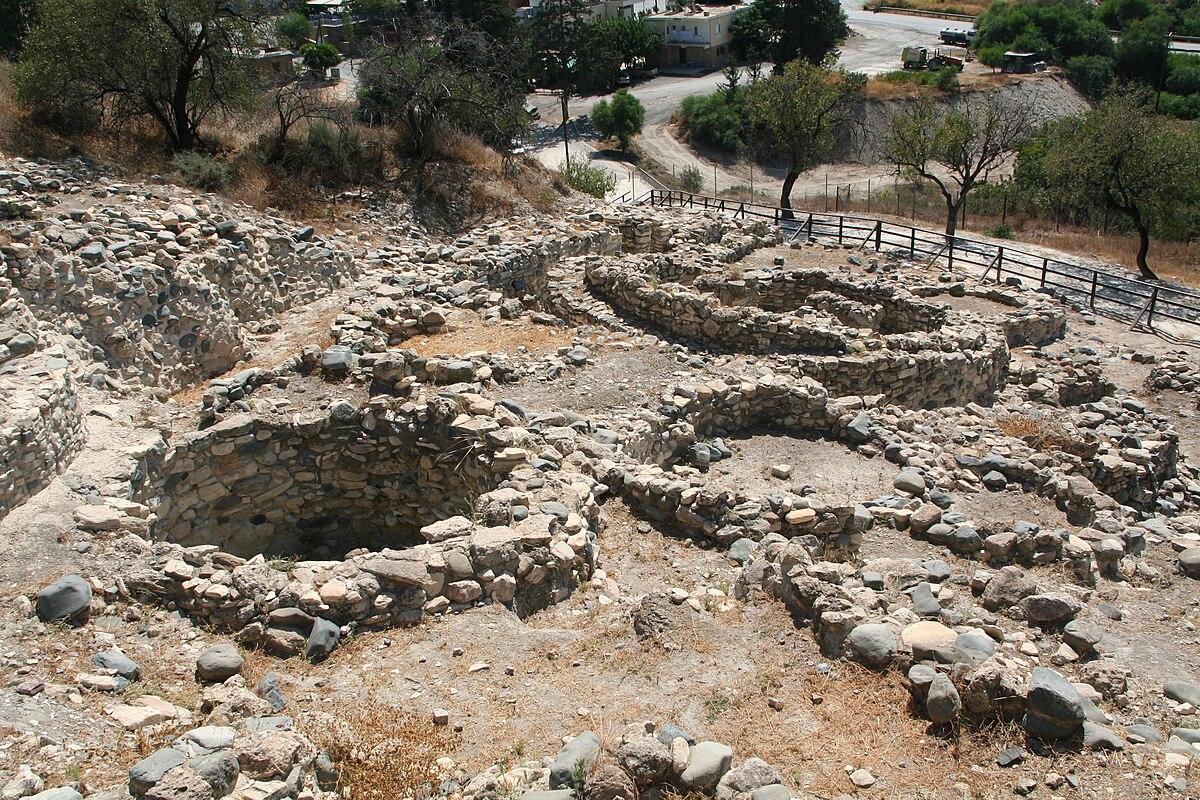
Between Limassol and Larnaca lies the oldest Neolithic settlement founded by farming tribes who first arrived in Cyprus. Its age dates to the early Neolithic period. The settlement consisted of round stone structures with flat roofs. They stood on stone platforms carved directly into the rock. Burials are of particular interest. Neolithic tribes buried their deceased directly beneath house foundations, placing their heads on a kind of stone “pillow.”
In some dwellings, massive stone pillars were also found that were not structural parts of the buildings but likely had ritual functions. Possibly they were the first idols or so-called “ancestor stones.” These pillars represent the earliest examples of monoliths in Cyprus, appearing long before the first “giant stone vessels” of the Bronze Age. In Choirokoitia archaeologists also discovered obsidian tools used before the advent of metal. These findings prove that early Neolithic settlements on the island were not primitive; on the contrary, they had developed craftsmanship and strong social connections.
Tombs of the Kings in Paphos
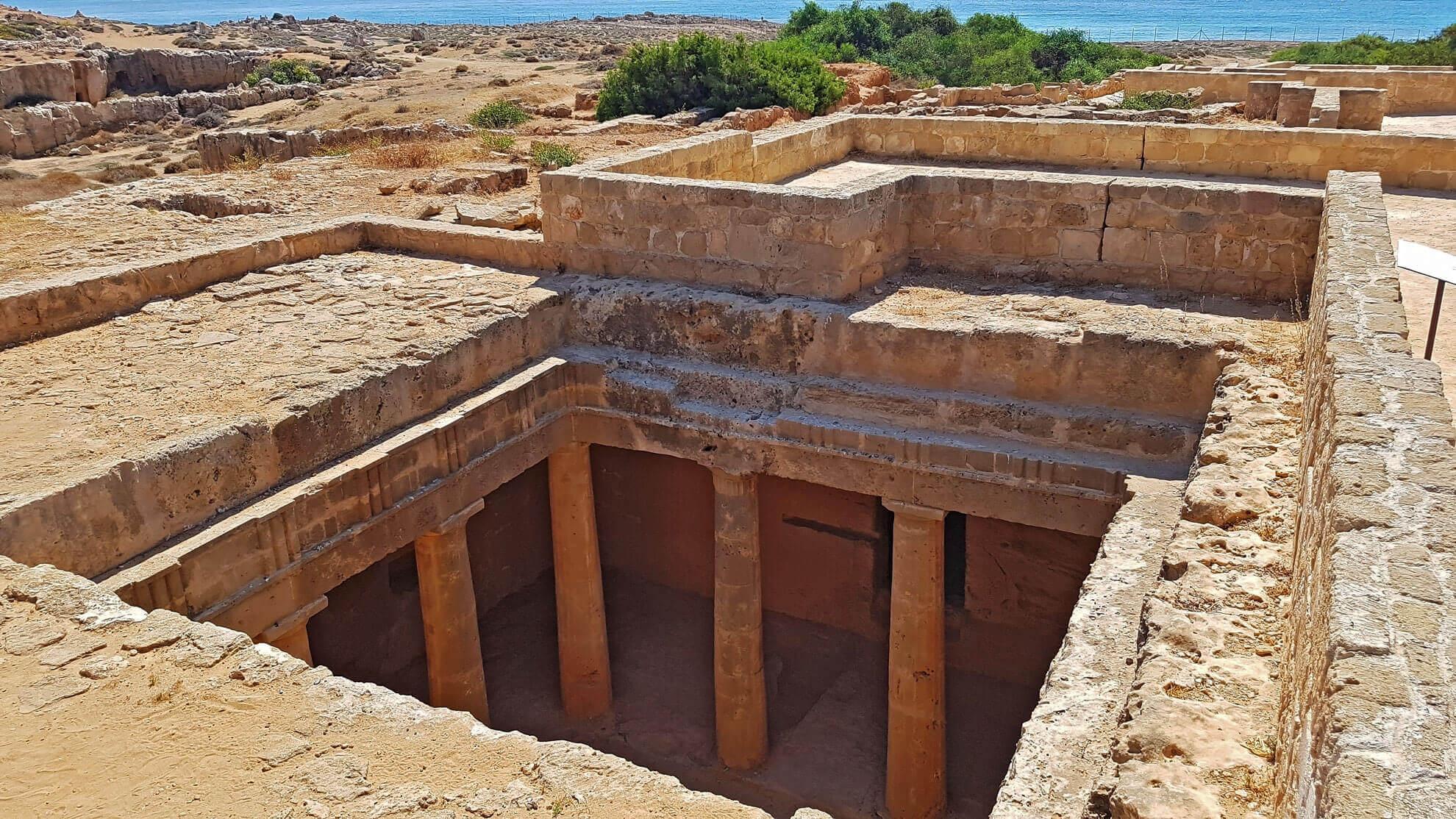
The Tombs of the Kings in Paphos are located in the city center, not far from the Archaeological Park and harbor. This is not just tombs but an entire necropolis covering an area of 1.2 km2. This burial complex is an exact copy of luxurious residences of that time and consists of numerous rooms (burial chambers), inner courtyards (atria and peristyles) with Doric columns, staircases, and vestibules.
Although the tombs are called royal, they were used by nobles and members of the aristocracy. These monumental structures resemble luxurious palaces more than tombs. Made from local limestone, the Tombs of the Kings belong to the later Roman period. Even today they continue to impress with their scale, luxury, and attention to detail, serving as a logical continuation of the stone constructions of the Neolithic and Bronze Age.
Frequently asked questions about monoliths in Cyprus
What is the most plausible theory of the origin of monoliths?
According to most scientists, Cypriot monoliths were part of ancient stone presses used for producing olive oil in the Bronze Age. However, their age is unknown, so theories about ritual significance should not be dismissed. Similar stone forms were characteristic of Neolithic cult structures. Moreover, folk beliefs about their healing power did not arise by chance.
Are there analogues of Stonehenge in Cyprus?
Cyprus has many mysteries and enigmas, including monoliths and Neolithic structures, for example in Choirokoitia. However, in size and scale they cannot be compared to Stonehenge. That is precisely what makes them unique.
Is it safe to visit these places independently?
Cyprus is generally safe. However, some of these places are quite remote, so preparation is necessary. It is important to bring comfortable thick-soled shoes, plenty of water, a hat and sun protection, ensure your phone is charged, and take a power bank. Also keep in mind that GPS may not work in some locations, so it is better to have a paper map.
The history of Cyprus is full of mysteries and secrets, many of which are still waiting to be revealed. The mysterious stone monoliths are in no hurry to reveal their secrets — they are like silent witnesses of the island’s amazing past.
Stones in Cyprus are not just building materials; they are a symbol of strength, stability, and a thread connecting generations through the centuries. Over thousands of years, rulers, civilizations, and religions have changed on the island, while the stone monoliths still stand unchanged. So why not embark on an exciting journey to search for them? Perhaps the monoliths will reveal their secrets to you.
Read also:
- Best areas of Cyprus for high-yield rentals. Best places for high ROI
- Wedding traditions of Cyprus — rituals, symbols, and features of local celebrations
- Traditional Cypriot jewelry: history, Lefkara silver, and filigree technique
- Top 10 new developments in Limassol to be delivered in 2026
- Kindergartens in Cyprus: how they work, how much they cost, and what parents should know