How do you choose a family doctor in Cyprus? Where to search, how to register, costs and insurance — step-by-step and stress-free | A practical guide for residents and newcomers!
When planning a move to Cyprus, future expats usually look forward to the pleasant tax climate and the fantastic number of sunny days per year. But in reality, right after the suitcases are unpacked, everyday life comes to the forefront — and Cyprus’s healthcare system plays a central role in it.
Luckily, understanding the local rules is not that difficult — it’s even easier than learning the Greek alphabet! But there are nuances, and not knowing them can turn your first visit to the doctor into an unnecessary headache. Don’t worry — you’ll be fine! Let’s begin.
How the Modern Healthcare System Works
For decades, the Republic of Cyprus lived with a system where treatment was either expensive but high-quality in the private sector, or long and exhausting in public institutions. Everything changed in 2019, when GeSY (the General Healthcare System) was launched — a mechanism funded by contributions from all employed residents. Today, it forms the foundation that covers the island’s essential healthcare needs.
The system is now built around the figure of the personal doctor. In Cyprus, the family doctor is both a coordinator and your main consultant. The rule is strict: if you want to visit a cardiologist or endocrinologist using GeSY insurance but don’t have a referral from your GP, be prepared to pay the full price out of pocket.
The myth that free or subsidised healthcare is only for locals is long outdated. Access to the system is not limited to Cypriot citizens. Foreigners who legally live on the island and contribute to the Social Insurance Fund have the same rights. This includes holders of work contracts, certain categories of visitors (with conditions), and their dependents. And if someone cannot access the public system yet, private insurance comes to the rescue. Many large companies in Cyprus provide foreign employees with reliable medical coverage.
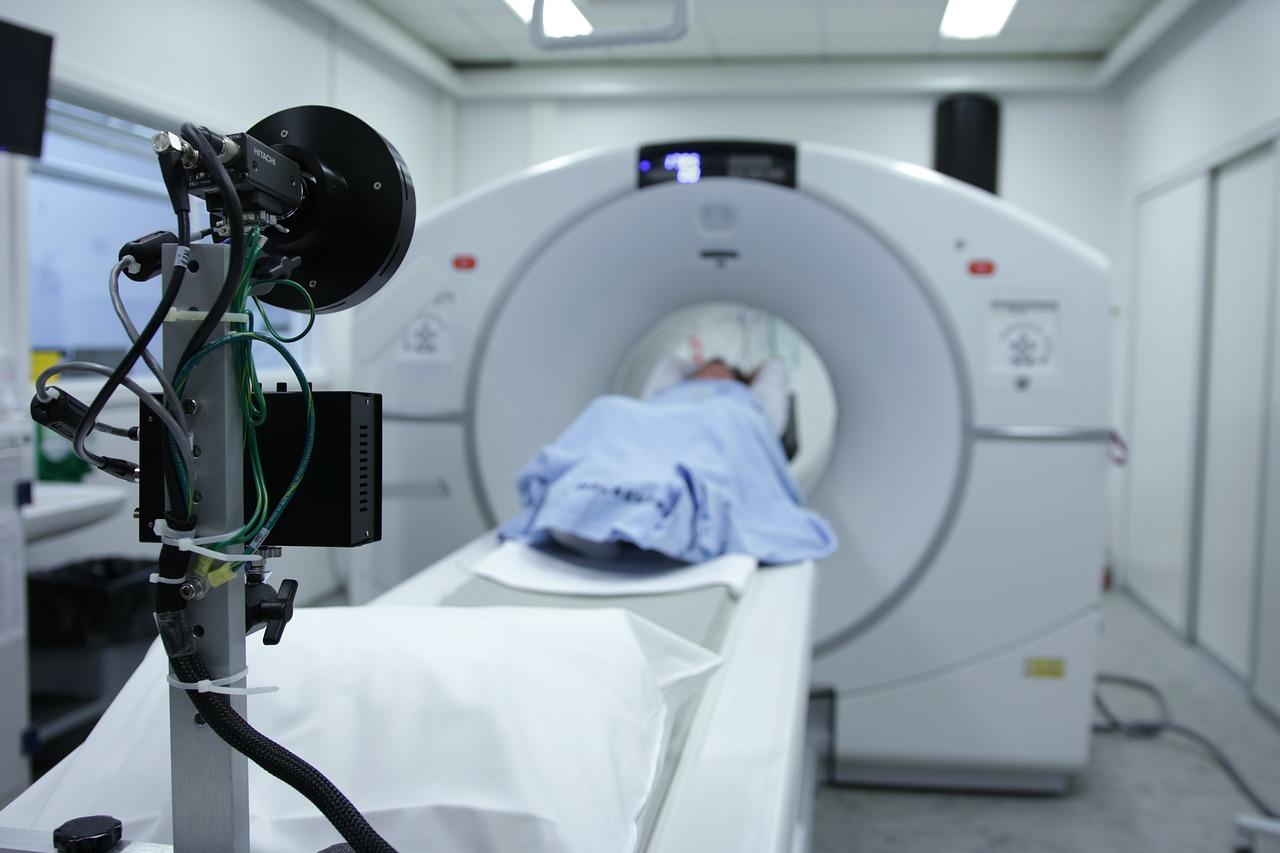
Choosing a Doctor: What to Pay Attention To
The search for “your” doctor usually begins with word-of-mouth recommendations in expat chats. But friends’ advice is not a universal compass. When moving to Cyprus, many people look for doctors who speak their native language, as it’s easier to explain symptoms. In Limassol or Paphos, this is generally not a problem. In Nicosia or other parts of the island, Russian-speaking doctors are fewer, but English is absolutely standard in the medical field. Most doctors studied at European universities and understand English perfectly. Logistics also matter. Medical services should be within easy reach. Travelling across the city with a high fever is far from ideal. Another important point that many forget: a doctor’s popularity. In GeSY, each GP has a limit on the number of registered patients (about 2,500 people). Popular specialists fill up fast and close their lists. So, when you arrive in Cyprus with plans to stay long-term, it’s best to register with a doctor as soon as you receive your Yellow Slip or Pink Slip.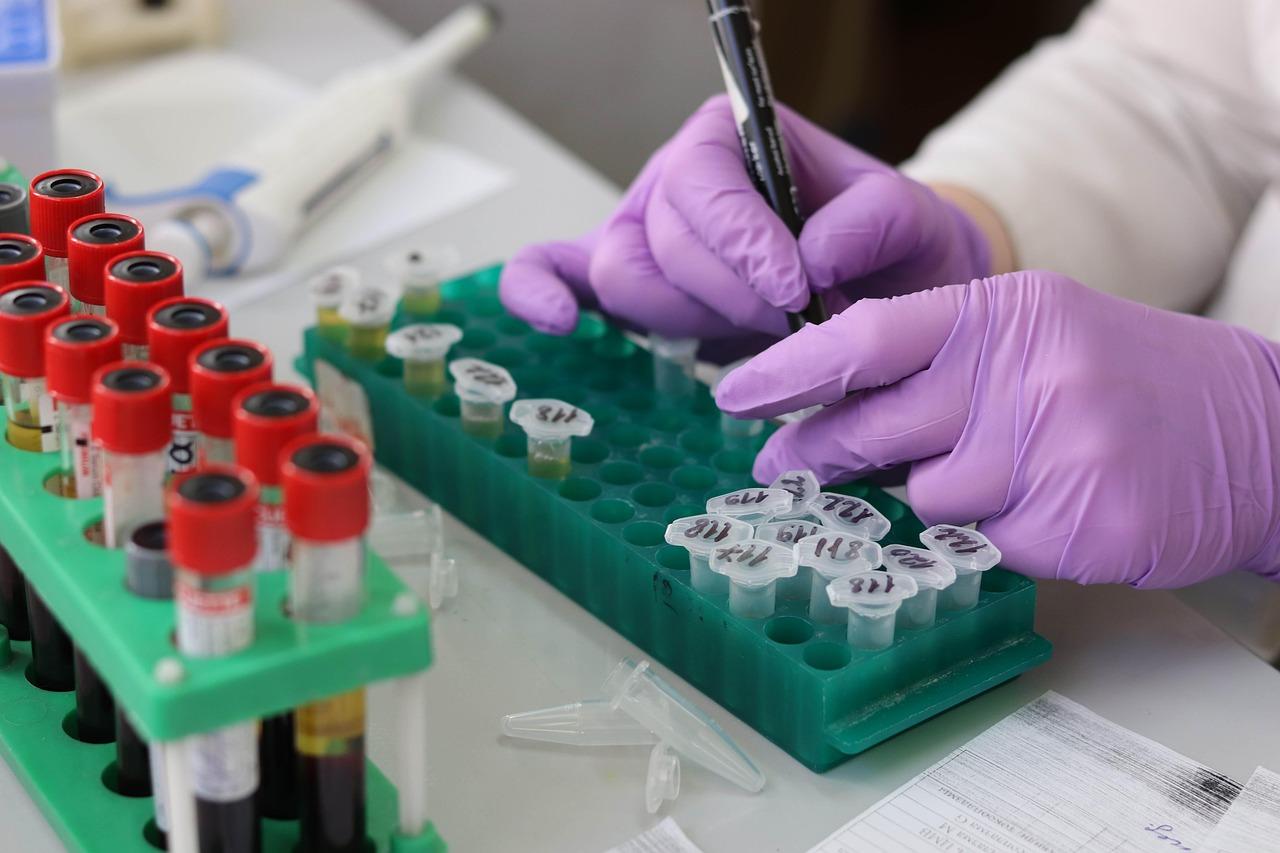
Step-by-Step Registration in the System
To become part of the system, you must be added to the beneficiaries’ registry. There are currently two ways to do this: complete everything online yourself or visit a doctor who can help with the paperwork. The standard process looks like this:
- Create a profile on the healthcare portal.
- Enter your ARC number and Social Insurance number.
- Wait for verification of your eligibility.
- Choose a doctor from the list and submit a registration request.
Your entire medical history, prescriptions, and referrals now live “in the cloud.” Paper files are a thing of the past — and that’s convenient: any specialist you’re referred to can immediately see the full picture of your health.
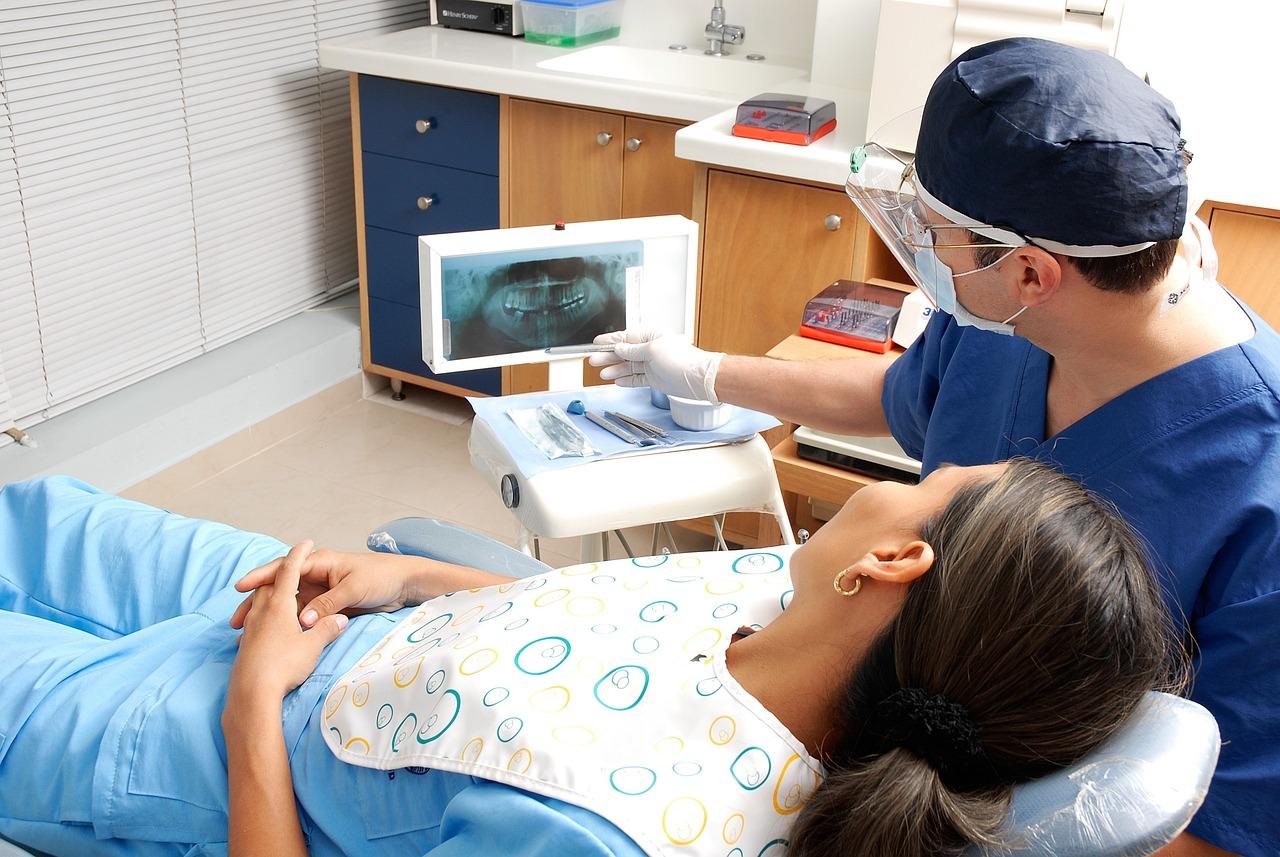
Financial Aspect: How Much Does a Visit Cost?
It’s incorrect to think that everything under GeSY is completely free. There are co-payments. A visit to your GP is free (the state compensates them based on the number of registered patients), but medications, tests, and visits to specialists require small payments — from a couple of euros to around ten.
For example, an MRI or complex blood test costs €10, even though the real price is much higher. This makes healthcare accessible for every budget. But it’s important to remember: the regular tourist insurance that visitors bring to Cyprus is not valid in this system.
Where to Go in Emergency Situations
Family doctors work on a schedule. If a problem arises at night or during holidays, you should go to Emergency (A&E departments) at public hospitals. They will accept everyone, even those not registered in GeSY, but the final bill will depend on whether you have insurance.
Private clinics participating in GeSY also provide medical services, and many people choose them for greater comfort. However, if the situation is not life-threatening, a private ambulance may ask for payment according to their own price list.

Mentality and Approach: What to Expect
For people used to post-Soviet clinics, the local system may seem unusual. There are no home visits for a fever of 37.5°C. Doctors follow Western protocols: fewer medications, more rest and fluids. You cannot buy antibiotics without a prescription — persuading a pharmacist won’t work.
However, the human factor is exceptional here. Cypriots adore children, so a pediatrician often becomes almost like a relative. The hospitality and openness for which Cyprus is famous show themselves in hospitals too. A doctor may even give you their personal WhatsApp number — something you can only dream of in Germany or France.
Island Life and Health
Your body will also have to adapt to Cyprus. The sun is very strong here, so dermatologist check-ups for moles should become routine! And the well-known dust brought by winds from Africa can be a challenge for allergy sufferers and asthmatics.It may seem that Cyprus beaches and seawater cure everything. Of course, the climate supports the immune system, but relying only on the sea is unwise. No beach, even the cleanest, can replace antiseptic for a cut or cure a virus. Ignoring doctors in favor of “natural healing” is a risky strategy.
Documents and Formalities
Those planning to apply for citizenship should closely track every official record of their presence, including medical ones. Registration in GeSY does not directly bring you closer to a passport, but it proves that you truly live in the country rather than just being listed on paper. Cyprus now has strict citizenship rules, and the applicant’s life must be completely transparent.
A family moving to Cyprus registers each person separately. Adults go to a GP, children — to a pediatrician. You can change your doctor, but the system allows this only once every six months. This is designed to help people build long-term relationships with their doctor instead of switching clinics constantly.

Useful Tips for Newcomers
And finally, a few practical tips for those who have just arrived on the island:
- Don’t wait too long. Once you receive your residence permit, submit your application immediately. Document verification can be slow, and not all types of residence permits qualify — it’s best to check with your doctor or on the healthcare system website.
- Read the profiles. On the GeSY portal, you can see where a doctor studied and which languages they speak.
- Bring your records. For your first visit, take translated excerpts from your previous medical files, especially if you have chronic conditions.
- Know the prices. Every service in Cyprus healthcare has a fixed tariff. If a GeSY clinic asks for an unusual extra payment for a basic appointment, that’s a reason to call support.
In the End
Moving to Cyprus gives you access to proper European healthcare. Yes, the system has drawbacks — such as waiting times for certain specialists — but equipment and doctor expertise are solid. The key is to find a specialist you feel comfortable with. Health is the foundation without which you cannot fully enjoy life on the island.
When preparing for your move, remember: insurance and a trusted doctor are not just paperwork — they’re your safety cushion. Understanding the system will save you nerves and money, leaving you more time for daily life and, of course, relaxing by the sea.

Read also: