The attitude of the island’s native residents toward foreigners is a multi-layered phenomenon that cannot be described by the single word “friendliness.” At the core of the local mentality lies the Greek concept of philoxenia—the love of strangers, elevated to a virtue since the days of Ancient Greece. At the same time, the modern Republic of Cyprus is a country with a complex history, which inevitably influences how foreigners are perceived.
For a tourist arriving in Cyprus for a couple of weeks, locals appear as exceptionally warm and welcoming hosts. For those planning to relocate, however, the picture becomes more nuanced. Social values come into play here: respect for the unhurried pace of life known as siga-siga, acceptance of family hierarchies, and an understanding of the role of religion. Locals appreciate people who do not try to impose their own rules, but instead integrate delicately into the existing way of life and make an effort—even if things don’t work out on the first try. Integration is possible, but it requires time and genuine interest in the culture. Open hostility toward foreigners is extremely rare, usually giving way to restrained curiosity or healthy pragmatism. Is this attitude different across regions of Cyprus? Most likely not—expectations are fairly uniform throughout the island.
Cultural Code: What Shapes the Worldview?
“Siga-siga” (Σιγά-σιγά): The Philosophy of the Moment
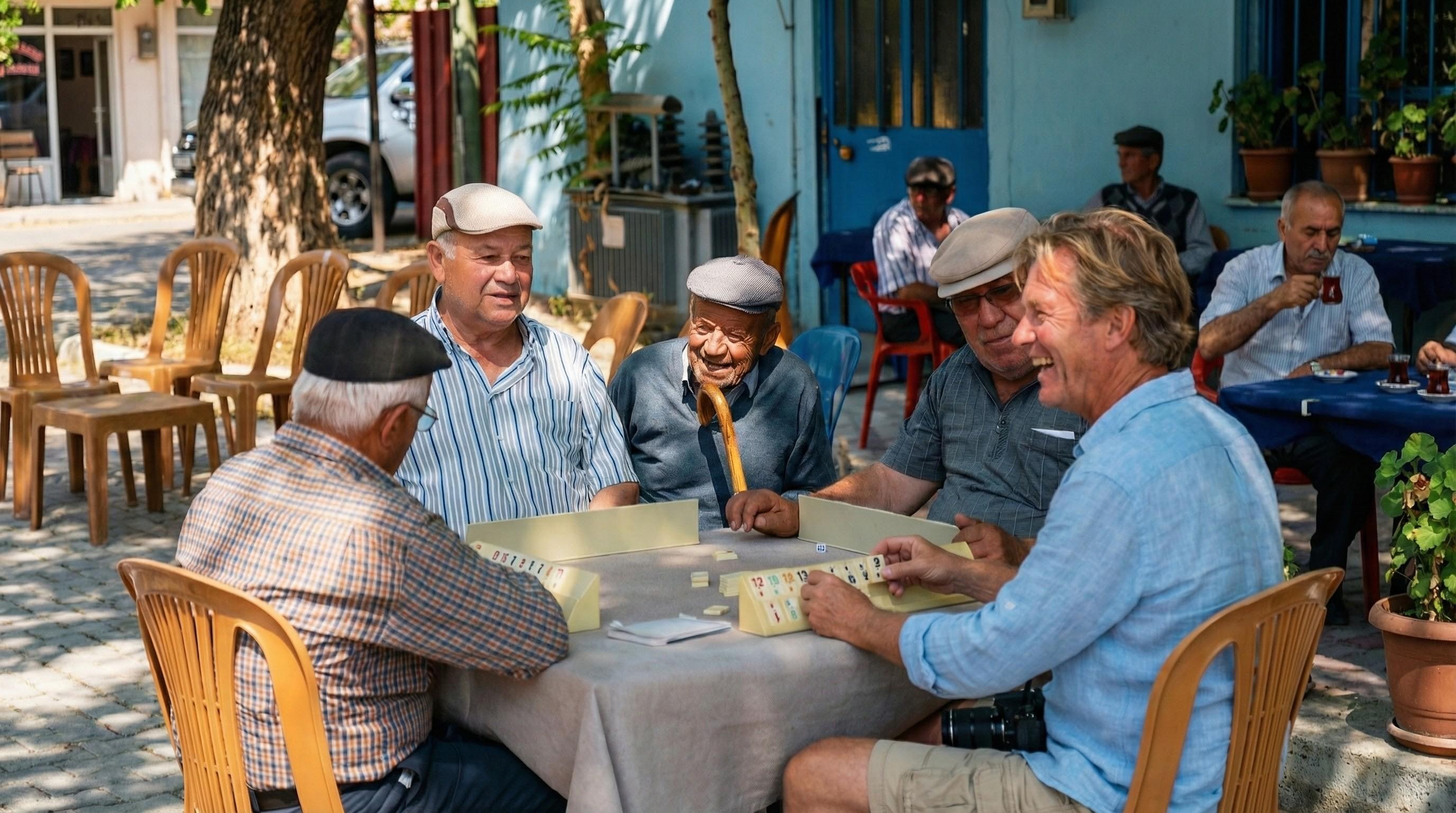
This famous principle, literally translated from Greek as “slowly, slowly,” is often mistakenly perceived by Europeans as laziness. In reality, it is a deep philosophy of conserving energy and enjoying the present moment. In Cypriot culture, human interaction takes priority over rigid deadlines. If a meeting is delayed by 20 minutes because of a chat with a friend on the street, this is considered a perfectly valid reason. For newcomers used to the pace of megacities, this may feel like frustrating unreliability—but trying to rush a local will only lead to distance and discomfort.
Family and Traditions: The Core of Society
Family on the island is not just about relatives—it is a clan. Family opinion influences business decisions, political views, and attitudes toward new people. If a foreign resident of Cyprus becomes friends with one family member, they often come under the protection of the entire extended family. Hospitality here is almost sacred: a guest in the home must be fed.
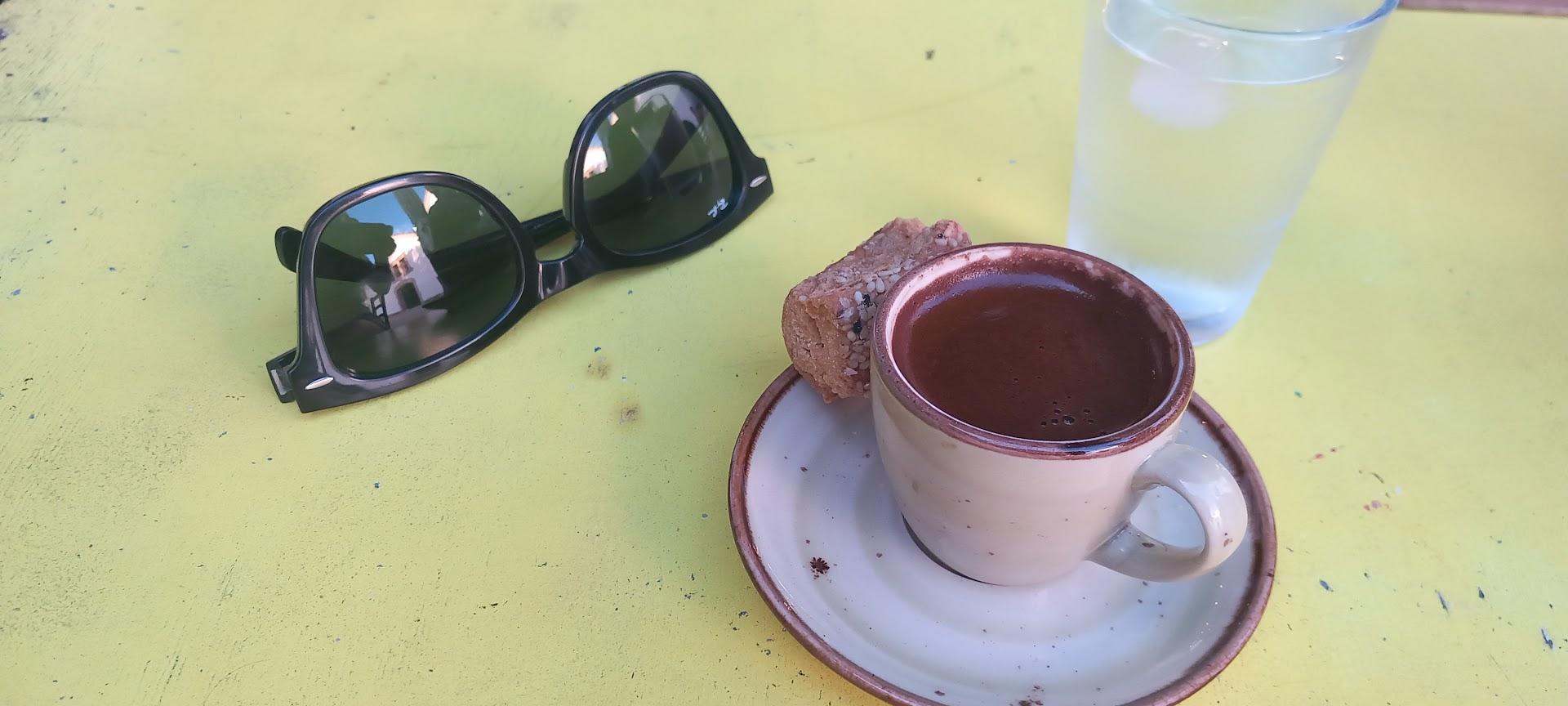
“You can be anyone and from anywhere, but if you step over the threshold of my house, you are under my protection. First we’ll drink coffee, eat glyko (sweet preserves), and only then will we ask who you are and why you came,” — this is something Andreas, a lifelong resident of coastal Larnaca, often says. In his 70 years, he has seen thousands of tourists and new neighbors.
The Role of Orthodoxy
The Church remains one of the most powerful social institutions. Even secular people observe religious holidays. A shared faith often becomes a bridge for building closer relationships with newcomers from Orthodox countries, creating an initial level of trust from the very beginning.
Tourist or Expat? Two Worlds — Two Attitudes
The perception of a person changes dramatically depending on their status: are you a guest, or a new neighbor?
Criterion | Attitude Toward Tourists | Attitude Toward Expats (Relocants) |
First impression | Genuine warmth, desire to please | Reserved observation, assessment of behavior |
Expectations | Short-term spending, positivity | Respect for culture, paying taxes, keeping quiet |
Language | English or even gestures are enough | Attempts to speak Greek are expected |
Mistakes | Excused as ignorance, often met with a smile | May be perceived as disrespect |
The View of Tourists
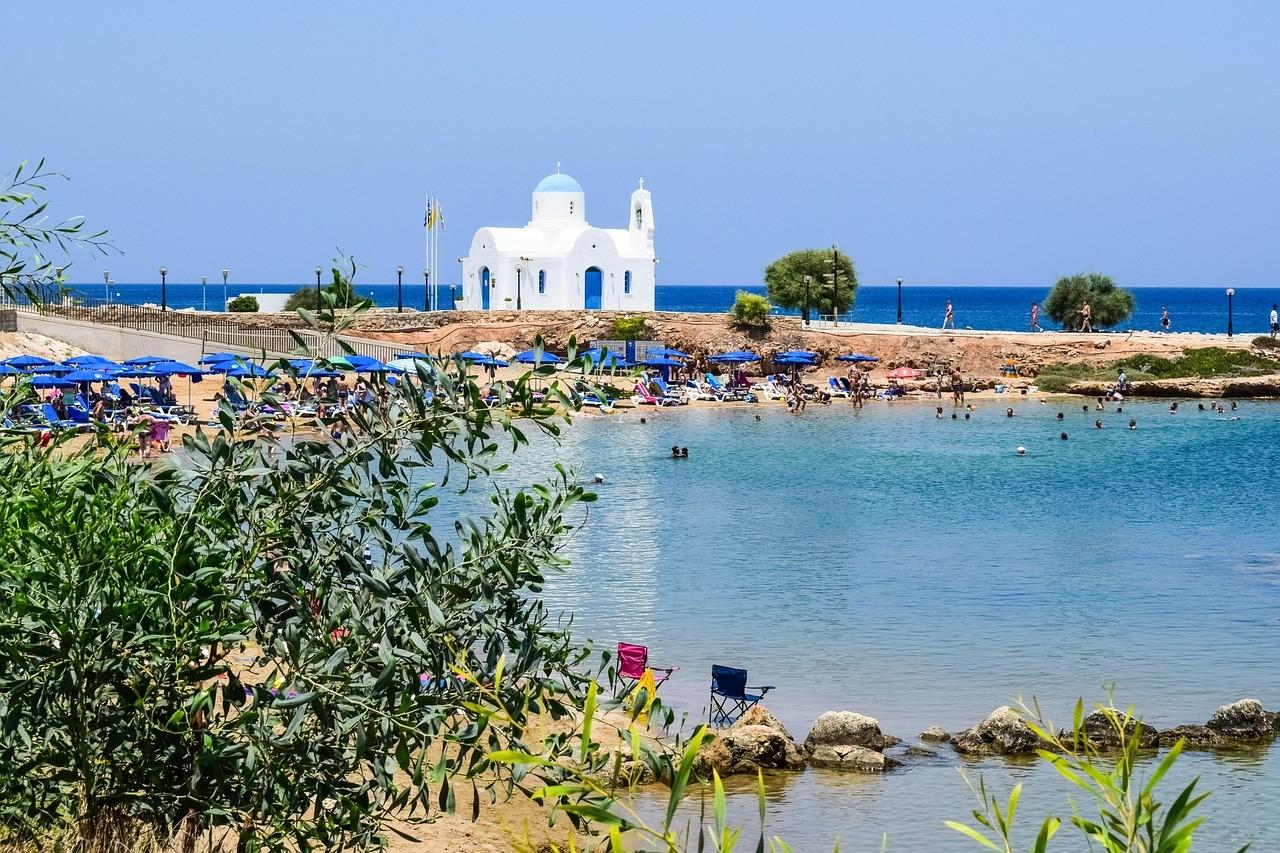
Tourism is the lifeblood of the economy. Visitors arriving for a short stay are treated with maximum hospitality. Cultural missteps are forgiven as lack of knowledge. In resort areas, services are designed for comfort, and language barriers are virtually nonexistent.
The View of Expats
When a foreigner transitions into the status of a Cyprus resident, expectations change sharply. They are expected to follow unwritten rules of communal life. For example, noise during siesta hours (from 2:00 p.m. to 5:00 p.m.) will provoke strong disapproval from neighbors. Expats also encounter the bureaucratic system: obtaining a residence permit or dealing with matters that require contacting Cyprus migration authorities demands immersion in local specifics, where personal connections, unfortunately, often matter far more than formal regulations.
Attitudes Toward Different Nationalities
Russians and Russian-Speakers: Between “Our Own” and the Economy
Historically, there has been a warm attitude toward people from the post-Soviet space. This is reinforced by shared religious roots and long-standing economic ties. In Limassol, Russian speech can be heard everywhere. However, there is a stereotype of “bottomless wallets,” which sometimes leads to inflated prices for services. Overall, integration tends to be successful; many obtain Cyprus permanent residency and become an organic part of society.
Britons: The Shadow of the Empire
Attitudes toward Britons are mixed. On one hand, English law, left-hand traffic, and a love of football are part of the colonial legacy. Many older Cypriots studied in the UK. On the other hand, historical memory of the struggle for independence maintains a certain distance. Nevertheless, thanks to mass tourism and widespread English proficiency, Britons feel quite comfortable on the island.
Other Europeans and Third-Country Nationals
Citizens of EU countries are generally viewed positively. The situation is more complex for labor migrants from Asia and Africa working in services and agriculture. Everyday snobbery may appear here, although open discrimination is widely condemned by society.
Challenging Aspects and Realities of Life
Life on the island should not be idealized. There are aspects that can cause discomfort for an unprepared person.
Bureaucracy and State Authorities
Dealing with government institutions is often the main test of one’s nerves. The Cyprus Migration Department still operates at its own, extremely unhurried pace. Waiting for documents can stretch into months. Booking an appointment with Cyprus migration authorities often requires the help of lawyers, as slots are taken almost instantly. This is not bad faith—it is a systemic characteristic.
Stereotypes and Connections
On the island, connections really do matter. For a foreigner, it can be difficult to compete with locals when applying for jobs in traditional Cypriot companies unless they possess unique expertise. Priority is often given to relatives or acquaintances within the same social circle.
The Cyprus Issue
The division of the island into northern and southern parts is an extremely sensitive topic. In areas controlled by the Republic of Cyprus, any discussion that legitimizes the authorities in the north is perceived very negatively and can even bring people to tears, especially those who lived through traumatic experiences. Attempting to cross the border from the north or arriving via Ercan Airport may block the possibility of obtaining legal status in the south.
Practical Guide: Stress-Free Adaptation
For comfortable living and successful interaction with Cypriot citizens—who make up the majority of the island’s population—it is advisable to follow a few simple rules:
- A smile is a universal key. Gloominess and closed-off behavior are not understood here and are often viewed with suspicion.
- Small gestures matter. Treating neighbors to homemade pastries will break the ice faster than years of living side by side.
- Respect for age. Elderly people are treated with particular reverence.
- Patience in dealings. If you are told “tomorrow,” it may mean “in a few days”—or even a week later. Pressure will not speed things up.
- Learning the language. Even a dozen Greek words (“kalimera,” “efharisto,” “me synghorite”) will evoke delight and respect.

Frequently Asked Questions (FAQ)
How can I become a tax resident of Cyprus?
You can obtain Cyprus tax residency by spending more than 183 days per year in the country, or under the 60-day rule if certain conditions are met (ownership or rental of housing, business activity, and clear ties to the island). This attracts many entrepreneurs, as the republic’s tax system is currently very favorable to international business.
Is it difficult to obtain a Cyprus passport?
Citizenship is a complex process. A Cyprus passport through naturalization requires 7–8 years of legal residence (the period may be shortened for highly qualified specialists), passing an exam in the Greek language and Cypriot culture. Citizenship-by-investment programs are currently closed.
Can a foreigner run a business in Cyprus?
Yes, the republic encourages foreign investment. Company registration is relatively fast; however, opening accounts with local banks has become more challenging for non-citizens due to stricter compliance procedures.
How many Cypriots speak English?
The level of English proficiency is extremely high. According to statistics, the vast majority of Cypriot citizens—especially younger people and urban residents—speak English fluently. This is due to Cyprus being a former British colony and having a well-developed international services sector.
What should I do if a resident’s rights are violated?
All residents legally present in Cyprus are protected by law. The Constitution guarantees rights not only to Cypriot citizens but to all lawful residents. However, court proceedings can be lengthy.
How are marriages with foreigners perceived?
Marriages between Cypriot citizens and foreigners are common. Statistics show a rise in mixed families. Cypriot society generally accepts such unions, especially when the foreign spouse genuinely embraces the culture and traditions of Cyprus.
What is the population of Cyprus?
The population of the Republic of Cyprus is approximately 900,000 people (excluding the occupied northern part). At the same time, the share of foreigners in certain regions—such as Paphos or Limassol—can be quite significant, reaching 20–30%.
Do I need to notify authorities if I leave the country?
If you hold a residence permit, a prolonged absence (more than three consecutive months) from Cyprus may lead to its cancellation. The rules depend on the type of permit (Pink Slip, Yellow Slip, or Category F), so residents should clarify the details with the Migration Department.
Thousands of people choose permanent residence in Cyprus not only because of its mild climate, but also because of the human factor. Coastal cities have become meeting points of different cultures. The attitude of local residents remains the foundation of safety and comfort. Despite globalization, Cypriots preserve their identity, inviting foreigners to share in the joy of life—while expecting respect for their roots in return. Life on the island teaches the most important lesson of all: the art of human communication.
Read also: