Larnaca is the island's most grounded spot. Period. While much of the coast spent the last few years chasing glass towers and flashy resorts, this city simply refused to join the race. It kept its own pace. Now that it is 2026, that "stay-local" grit is exactly what brings people back. A regular traveler recently put it this way: "Larnaca feels like a living room, whereas everywhere else is trying to be a showroom." For those walking out of the Larnaca international airport, it’s a relief. It’s a town that is perfectly fine just being itself.
Getting around Larnaca in 2026 has finally become as easy as it should be. The island finally stripped away a lot of that old-school red tape that used to make things like car rentals a total headache. Thankfully, the era of wasting your first hour in the sun signing a stack of rental forms is over. You just take the keys and hit the road. It's a massive upgrade—less time wrestling with paperwork means more time actually being on vacation. Spending a few days on this coast is a lesson in not overthinking things. The city doesn't put on a show for travel brochures. It just exists. This plan skips the usual tourist fluff to focus on the actual salt, the old stones, and the real coast. No tourist traps here — just the actual grit and beauty of the salt flats, those heavy Byzantine stones, and the raw edge of the southern shore.
Quick Look: The 3-Day Route
Day | Focus | Top Spots |
Day 1 | Old Skala & Stones | St. Lazarus, Medieval Fort, Promenade |
Day 2 | Nature & Waves | Salt Lake, Hala Sultan Tekke, Mackenzie |
Day 3 | Hills or Wrecks | Lefkara Village or Zenobia Dive |
Day 1: The Stones of Saint Lazarus and the Waterfront
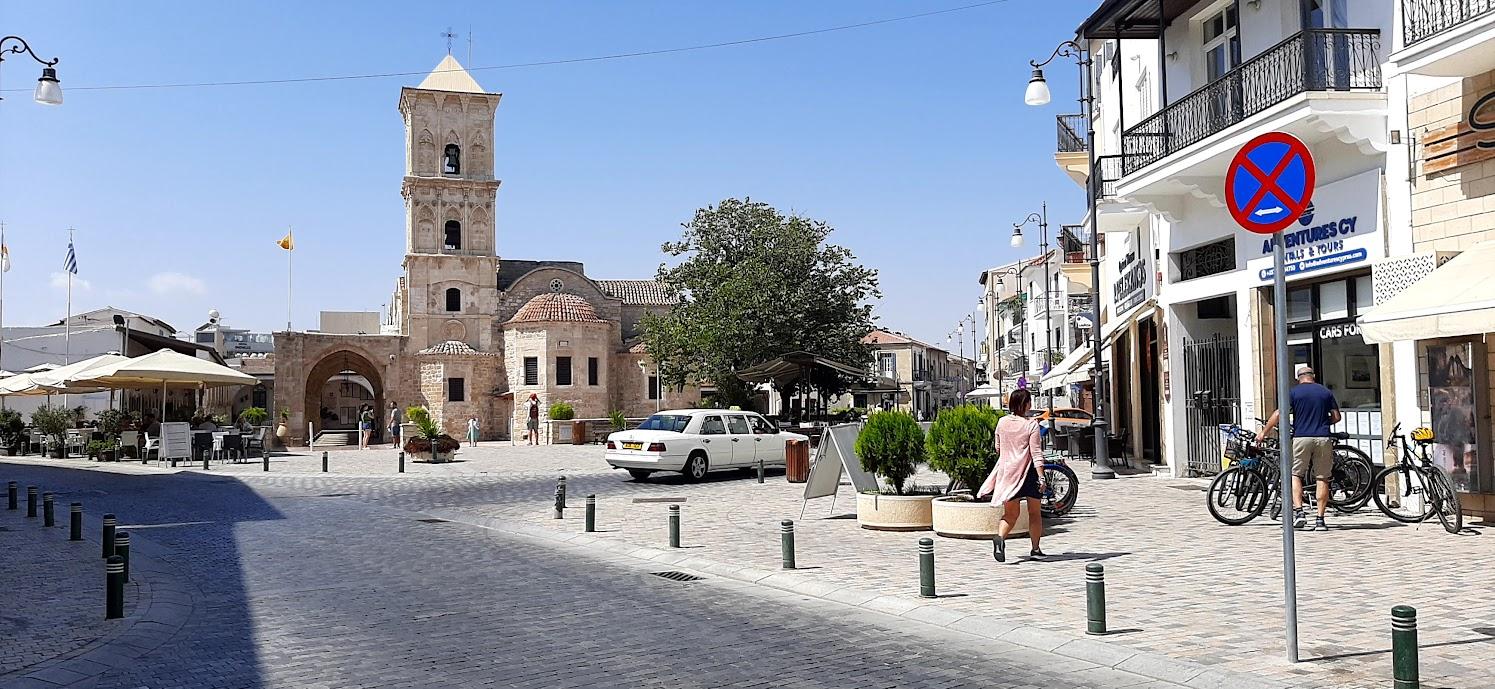
The first day of any larnaca travel plan should start on foot. Let’s see Larnaca itinerary day. The center is compact enough that a car is mostly a burden. The streets of the Skala district — the old Turkish quarter — still have that weathered, white-washed look with bright blue shutters. It is a working neighborhood where you might see a potter at a wheel right next to a modern coffee shop. The Church of Saint Lazarus is basically the anchor for this whole side of town. It has been standing since the late 9th century, and those thick limestone walls are a lifesaver — they keep the air inside remarkably cold even when the Mediterranean sun is brutal. This isn't just a dead monument; it’s a living space where the gold-covered iconostasis looks even more impressive in person than on a screen.
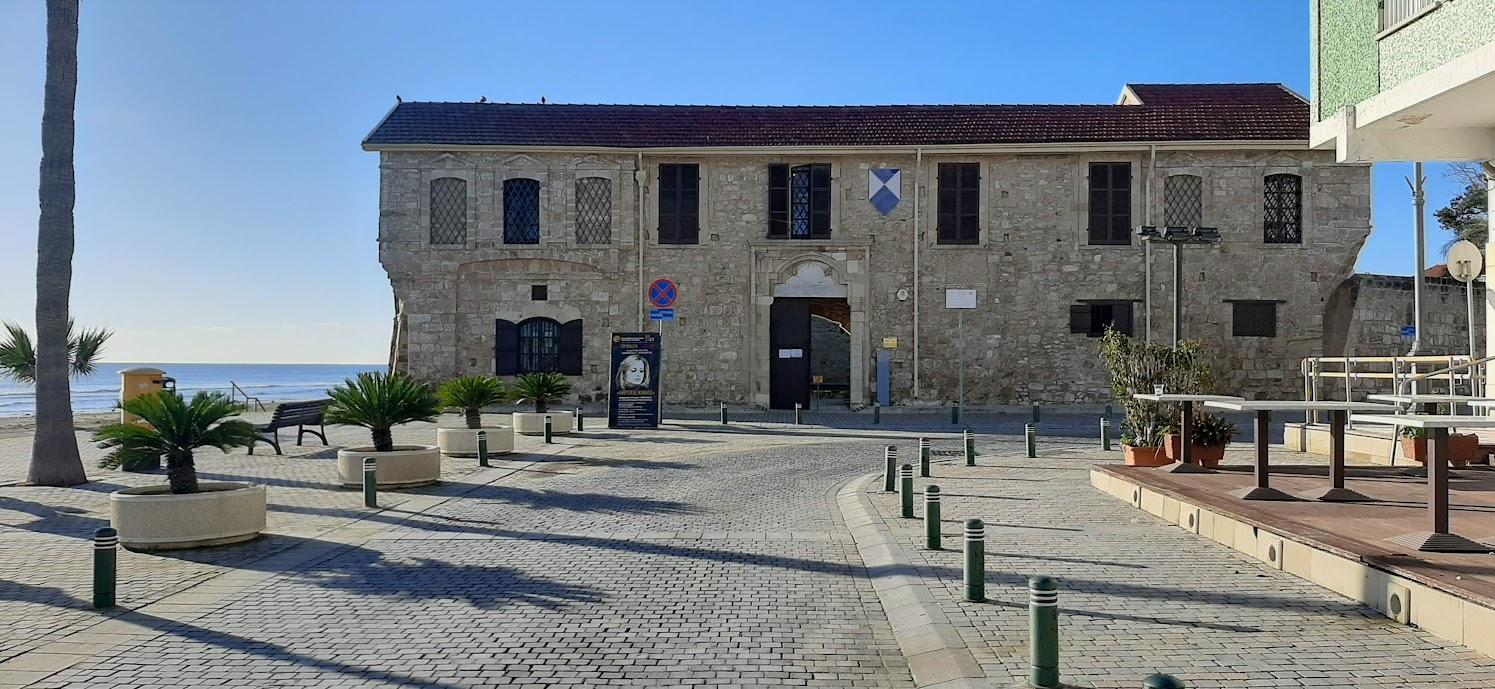
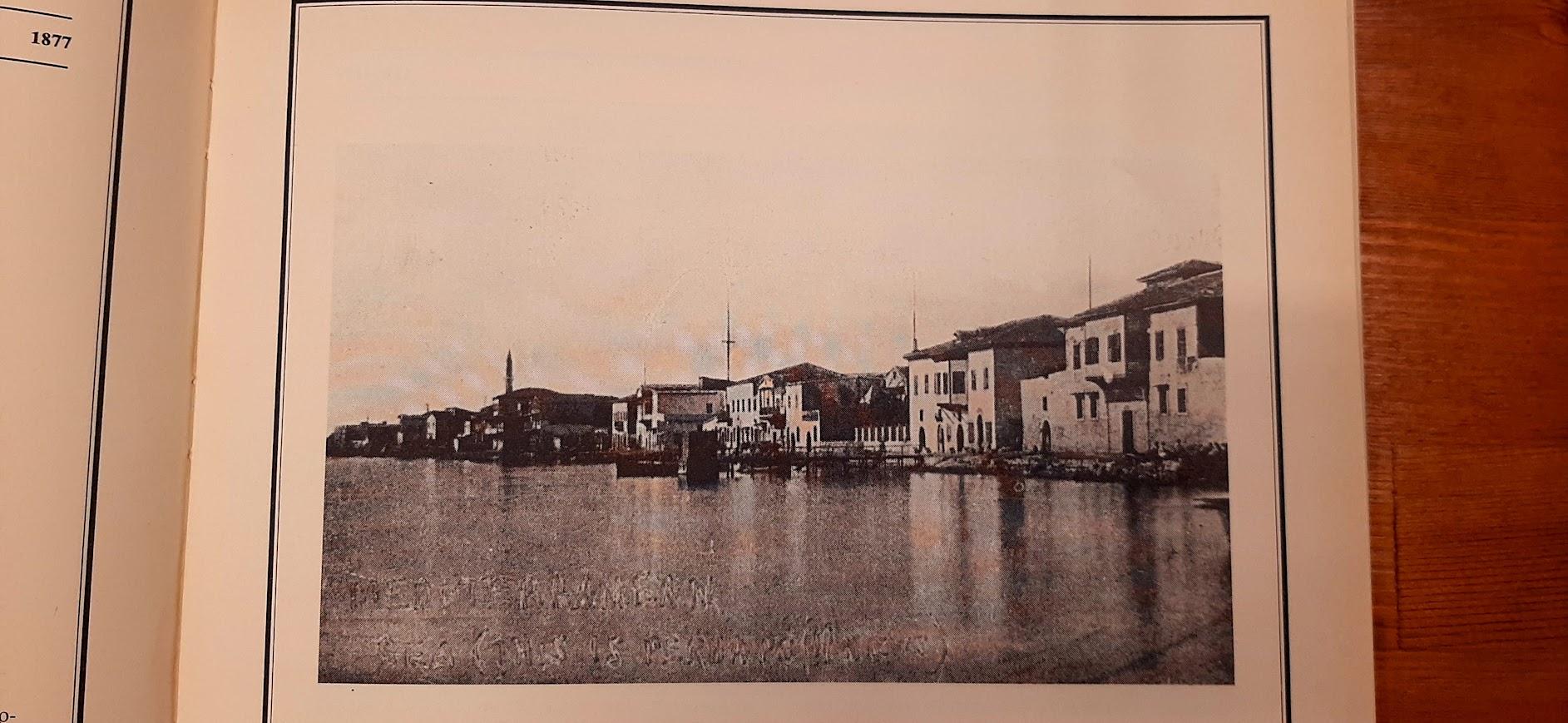
Just a few minutes away, you hit the larnaca medieval castle, sitting right where the old stone buildings meet the waves. Most locals just call it the larnaca fort. It has seen it all over the years, from Ottoman guards to British troops.
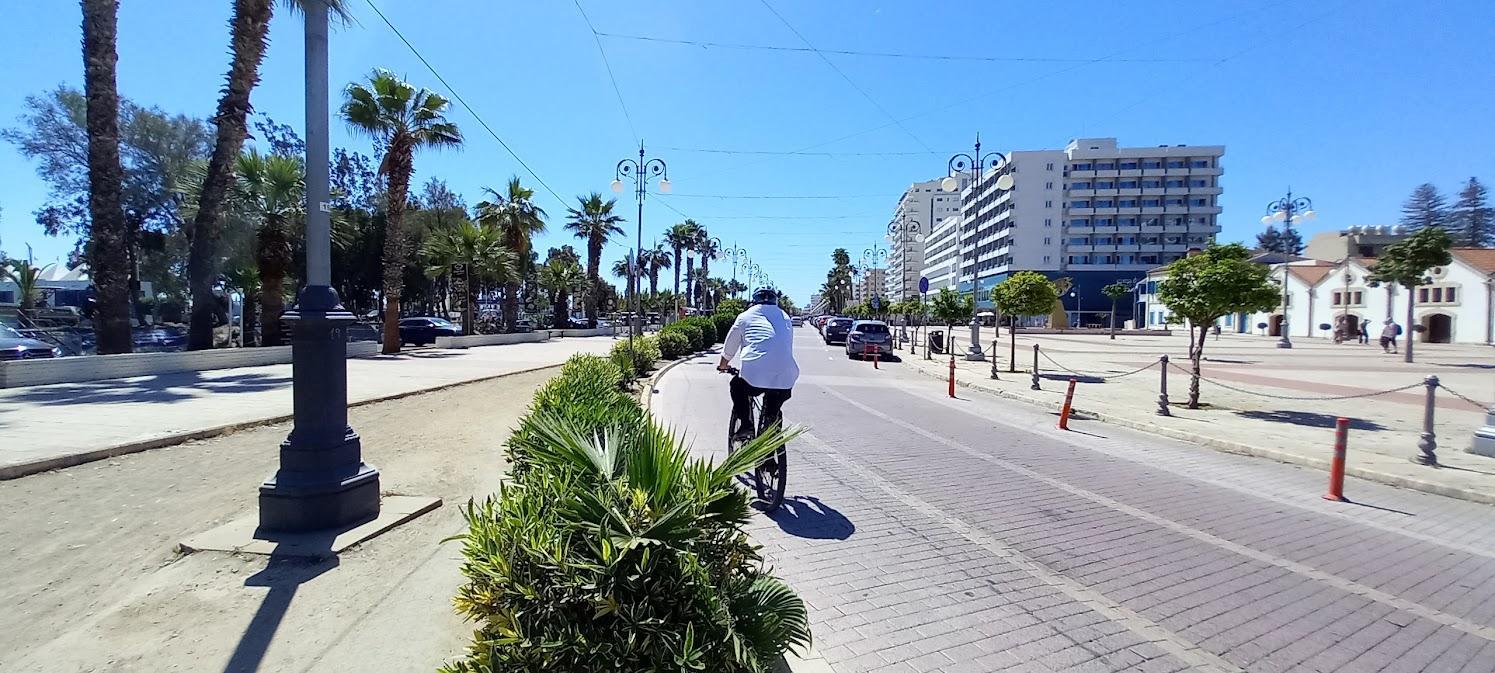
If you climb to the ramparts, you get a perfect view of the Finikoudes promenade stretching out — it is effectively the city’s social heart. By mid-afternoon, the popular beach at Finikoudes is a happy mess of families and kids splashing in the shallow, still water.
But for dinner, don’t stay on the main strip. The really good tavernas are always tucked away two or three streets deep into the back alleys. The local tavernas there serve a standard Cypriot meze — a long, slow sequence of grilled halloumi, sheftalia, and slow-baked meats that often lasts until the late evening.
Day 2: The Salt Lake and the High Energy of Mackenzie
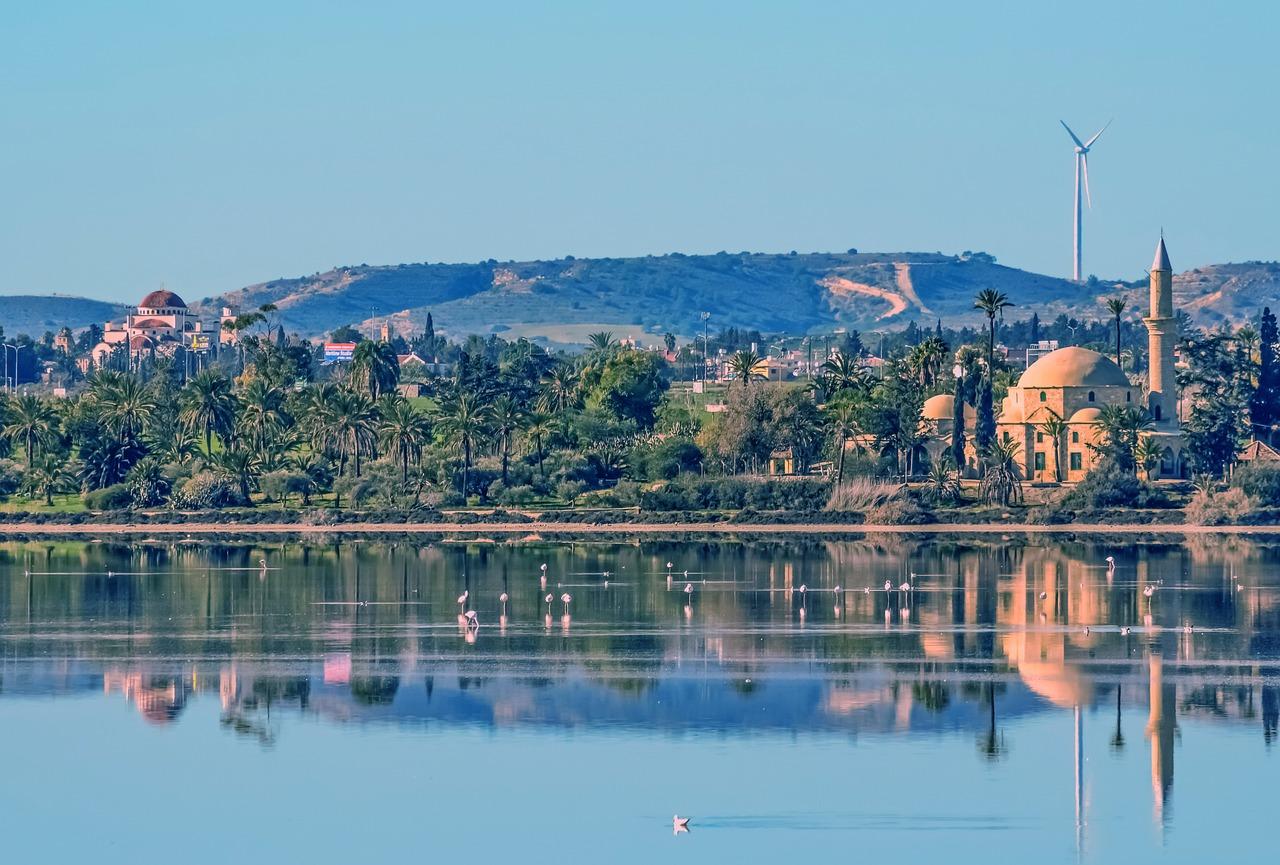
There is no missing the larnaca salt lake, but its personality depends entirely on the season you arrive. Between November and March, it is a shallow sanctuary for thousands of migratory flamingos — a sea of pink that, quite honestly, never gets old. By mid-summer, however, the water is a distant memory, replaced by a jagged, white salt crust that looks like a patch of the moon’s surface.
On the western bank, the Hala Sultan Tekke mosque sits quietly among groves of palms and cypress trees. It is a site of immense religious importance, but even for those just passing through, the stillness there is a rare gift. As one frequent walker in the area put it, "The Tekke is the only place left where the city’s noise actually stops."
That silence is short-lived, though, because the afternoon at Mackenzie beach kicks things into a completely different, much higher gear.
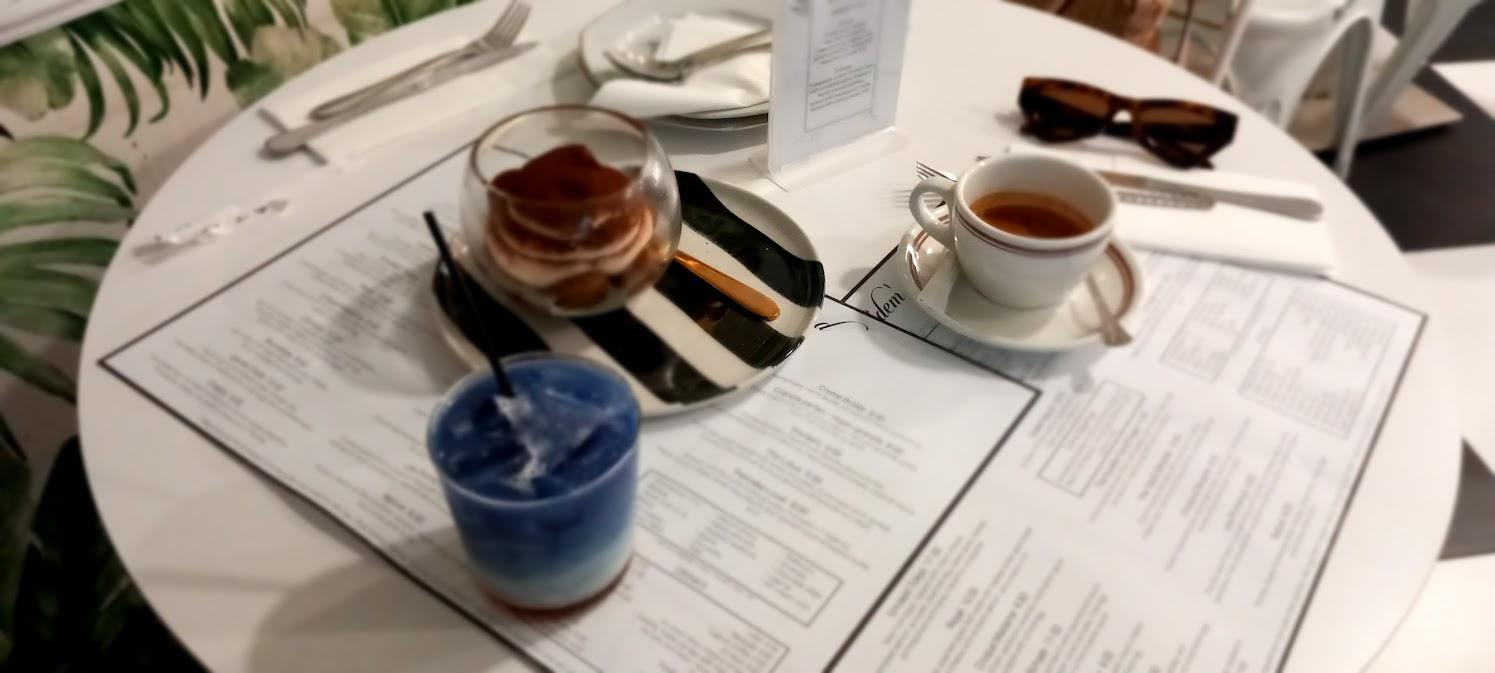
This is the city's trendier side, known for its shallow waters and a very specific "plane spotting" culture. A coffee at Mackenzie usually comes with a side of rattling saucers. Massive international flights drop so low over the beach day umbrellas that it feels like the whole shoreline is vibrating. It’s a loud, visceral experience that locals have just come to accept as part of the scenery. During the day, the water is a messy playground for beach activities, filled with paddleboarders, before the vibe shifts into those sleek, late-night fusion spots. It is a strange, almost sudden transition to move from the heavy, ancient silence of the lake to the high-energy pulse of the bars along this strip. This is where the modern Larnaca adventure happens, especially as the sun goes down and the music picks up.
Day 3: Into the Hills or Under the Waves
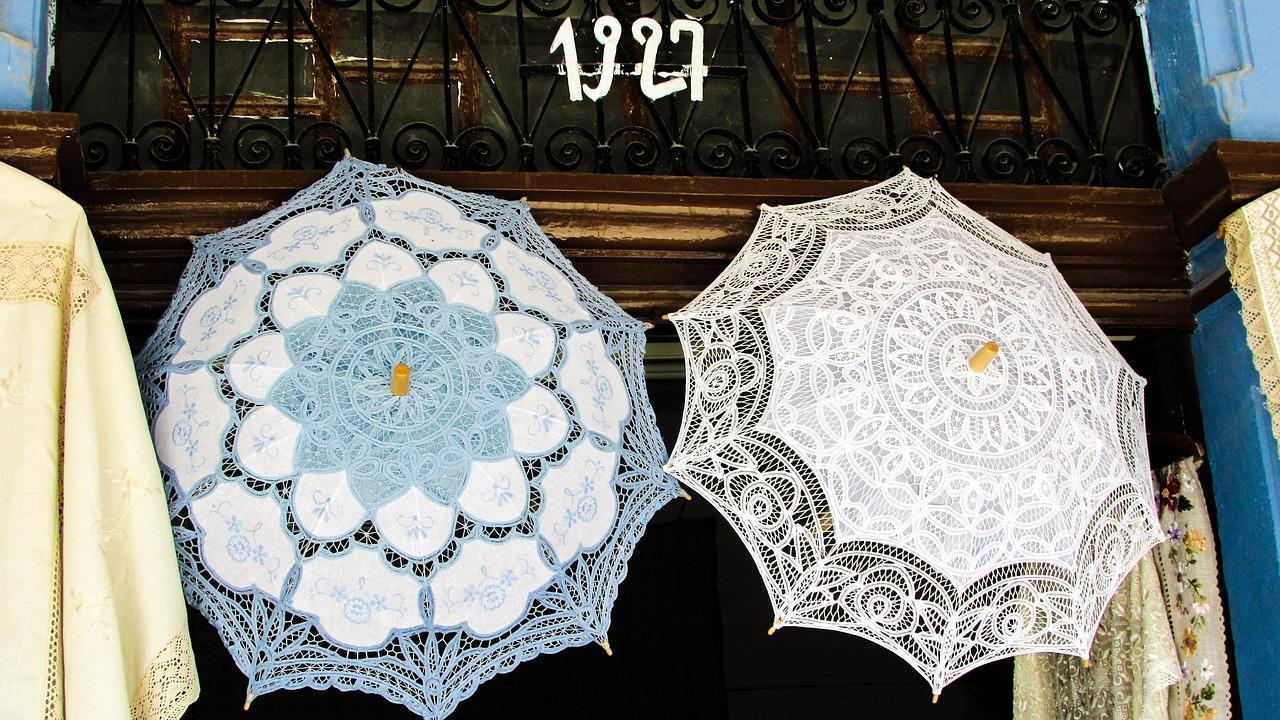
The final day of the itinerary is about making a choice based on interest. Lefkara is the go-to for anyone who has seen enough plastic souvenirs and wants something real. Forty minutes into the Troodos foothills and the air just changes. You’ll see limestone alleys where women still sit out on their doorsteps, hunching over Lefkaritika lace — a craft UNESCO literally put on a pedestal. It’s the one place to find local products that actually mean something.
If the mountains aren't the draw, the Zenobia Wreck is the alternative for divers. It’s a top-five global site, resting right off the coast. For everyone else, Cape Greco is the move. The sea caves and that turquoise water are so bright they look fake.
These excursions from Larnaca are exactly why the city is such a great home base. For travelers staying in town, the Pierides Museum holds a massive collection of antiquities that helps put the last three days into a much longer historical context.
Planning for 2026: Transport and Logistics
Getting around in 2026 is generally straightforward. While the historic center is perfect for walking, reaching the further spots like the salt flats or the hills is easier with wheels.
Transport Type | Best Use Case | Cost Level | Pros/Cons |
Walking | Historic core & Skala | Zero | Best for photos; hot in mid-day |
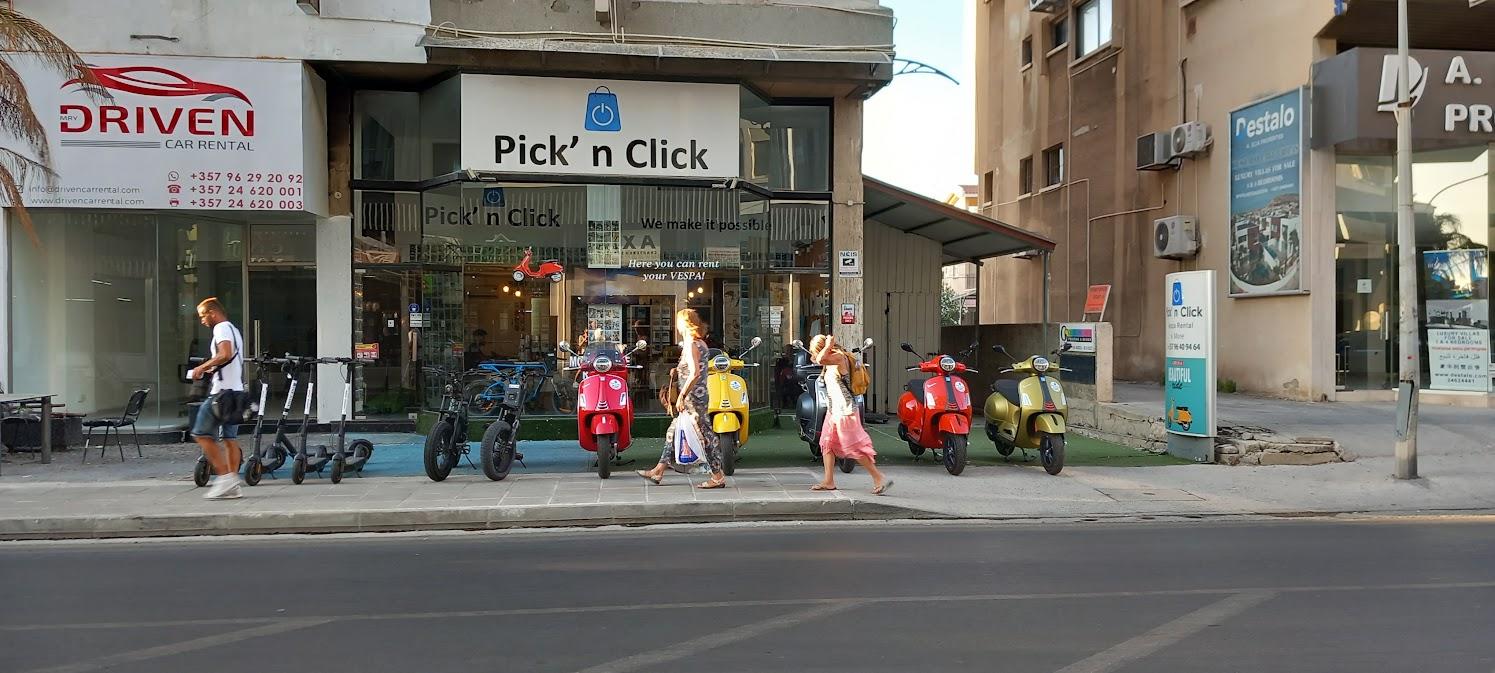
Public Bus | Airport & Mackenzie | Low | Cheap; routes are fixed |
Rental Car | Lefkara & Cape Greco | Moderate | 2026 reforms made this easier |
Taxi/Apps | Late night returns | Higher | Direct and fast; check rates |
Buses in 2026 are finally getting their act together, but for real day itineraries outside the city, a car is still king. The airport rental scene is actually tolerable now, too. They’ve cut the red tape so you can just grab your keys and go. It’s a massive relief — you shouldn't have to spend your first hour in the country stuck at a rental desk.
The Food Scene: A Quick Guide
The local dining scene in 2026 has shifted back toward traditional, seasonal menus. Cypriot cuisine is built on the grill and whatever is fresh in the garden.
- Halloumi. The famous "squeaky" cheese, best when grilled over charcoal.
- Souvlaki. Skewers of pork or chicken, served in a large, fresh pita.
- Kleftiko. Lamb slow-baked in a traditional clay oven until it falls off the bone.
- Seafood. Best found at the small, no-frills tavernas near the old fishing harbor.
Common Questions About the Trip
Is 3 days in Larnaca enough?
Yes, it is the perfect amount of time for Larnaca's itineraries. A few days allows for the major sites, some solid beach activities, and at least one trip out of the city to the mountains or the sea caves.
What is the best month for a Larnaca visit?
May and October are the best bets in Larnaca city. The weather is warm enough for the best beach days but doesn't have the heavy humidity of July or August.
Is a car needed for these larnaca itineraries?
For the first two days, not really. But for the final day trip of your larnaca adventure, having a car is much better for reaching Lefkara or the eastern coast without waiting on bus schedules.
Conclusion: Why Larnaca Works
Larnaca succeeds because it doesn't try to be a polished, artificial resort. It is a functional, historical city that moves at its own speed. Larnaca travel works because it doesn't try to hide its age. You have those deep medieval shadows around the castle on one end, and the pure, modern energy of the Mackenzie bars on the other. It’s a city that feels right because it is real. By 2026, with the easier travel logistics and the way the town has stuck to its roots, it’s arguably the best spot to start any Cyprus story. Whether you need the dead silence of the lake or the packed crowds of the popular beach, spending a few days here is a genuine escape from the usual grind.
Read also: