Unusually deep and expressive, rebetika captivates the listener from the very first notes. In fact, rebetika is more than a musical genre. Rather, it is the soul of Cyprus and its cultural heritage. That is why it would be a missed opportunity to come to Cyprus and not listen to rebetika.
In this article, we will share many interesting facts about rebetika and tell you about the best places on the island where you can hear it. Let’s dive into the amazing and at the same time alluring world of Cypriot rebetika.
Cities of Cyprus where you can find rebetika
Although rebetika came to Cyprus from Greece, it took root on the island very quickly and helped shape its own musical tradition here. The island’s capital, Nicosia, is traditionally considered the cultural and musical center of the island. It is here that the largest number of musicians who play authentic rebetika is concentrated. Throughout the capital, especially in the historic center, you can find many venues where traditional live music is played in the evenings. According to local music lovers, rebetika in Nicosia, in spirit, sound, and expression, resembles Greek rebetika the most. While rebetika in Limassol is less strict and dramatic, in Paphos it sounds more lyrical, with notes of romance.
In addition to traditional taverns and bars (kafeneio), where live folk music is played in the evenings, in Cyprus you can sometimes attend a festival where rebetika is performed. Usually, such events are organized by local municipalities and communities.
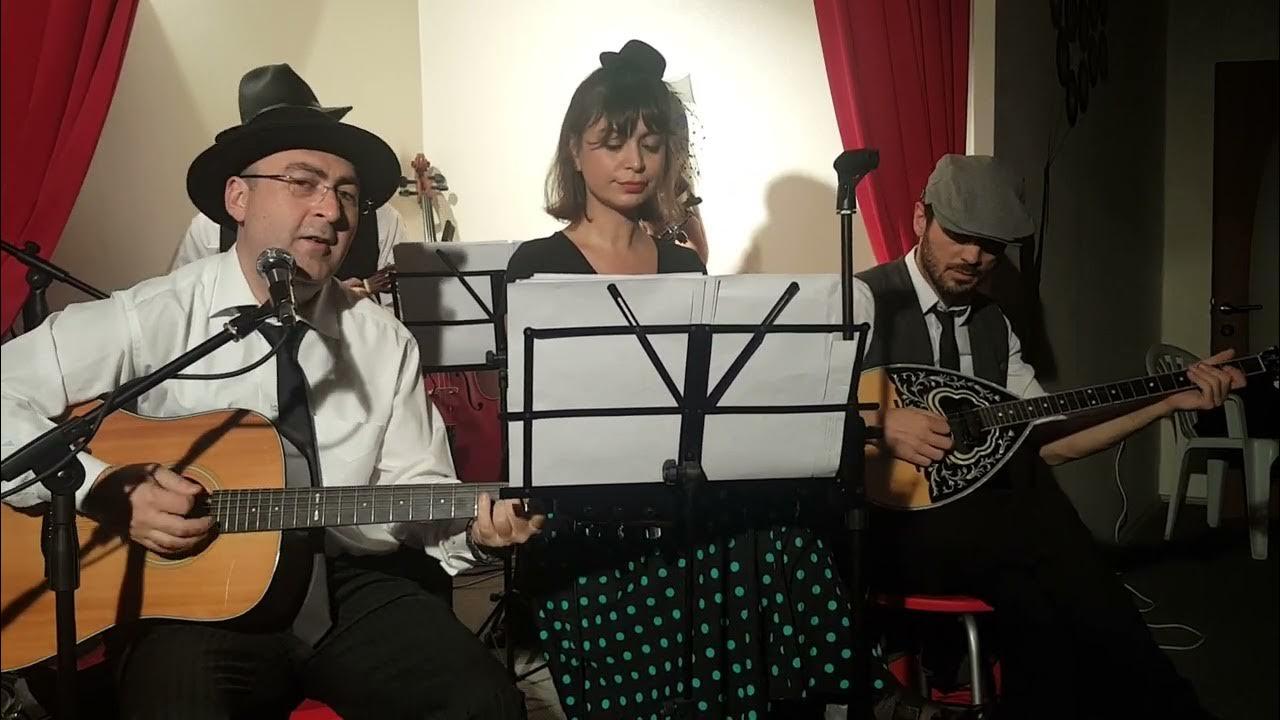
The best places with live rebetika in Limassol
Mezedopolio Arxontoloi
Located in the heart of the Old Town, in the building of an old mansion, this taverna is perhaps the best place in Limassol where you can enjoy traditional music, including rebetika. Usually, this venue opens its doors at 21.00 on Fridays and Saturdays, while live music starts no earlier than 22.00. To enjoy rebetika, it is best to visit this place on a Saturday evening. The taverna is famous for its authentic atmosphere — from the traditional interior with stone walls and cozy tables near the stage to a small bouzouki orchestra. Here you can taste traditional Cypriot meze accompanied by bouzouki and folk songs.
Mageireio – Tavernaki
Another authentic place in the Old Town area where you can hear rebetika is a small family taverna called Mageireio – Tavernaki. This taverna is very popular among locals and can boast a unique character and a cozier “non-touristy” atmosphere. Here you can try real homemade Cypriot cuisine and feel as if you are among family and close friends. Although Mageireio – Tavernaki is open every day, music nights here take place on Fridays and Saturdays and start at about 21.30 and end around 2.00 a.m. It is during this time that the walls of the taverna are filled with the sounds of rebetika and singing, which guests often join in.
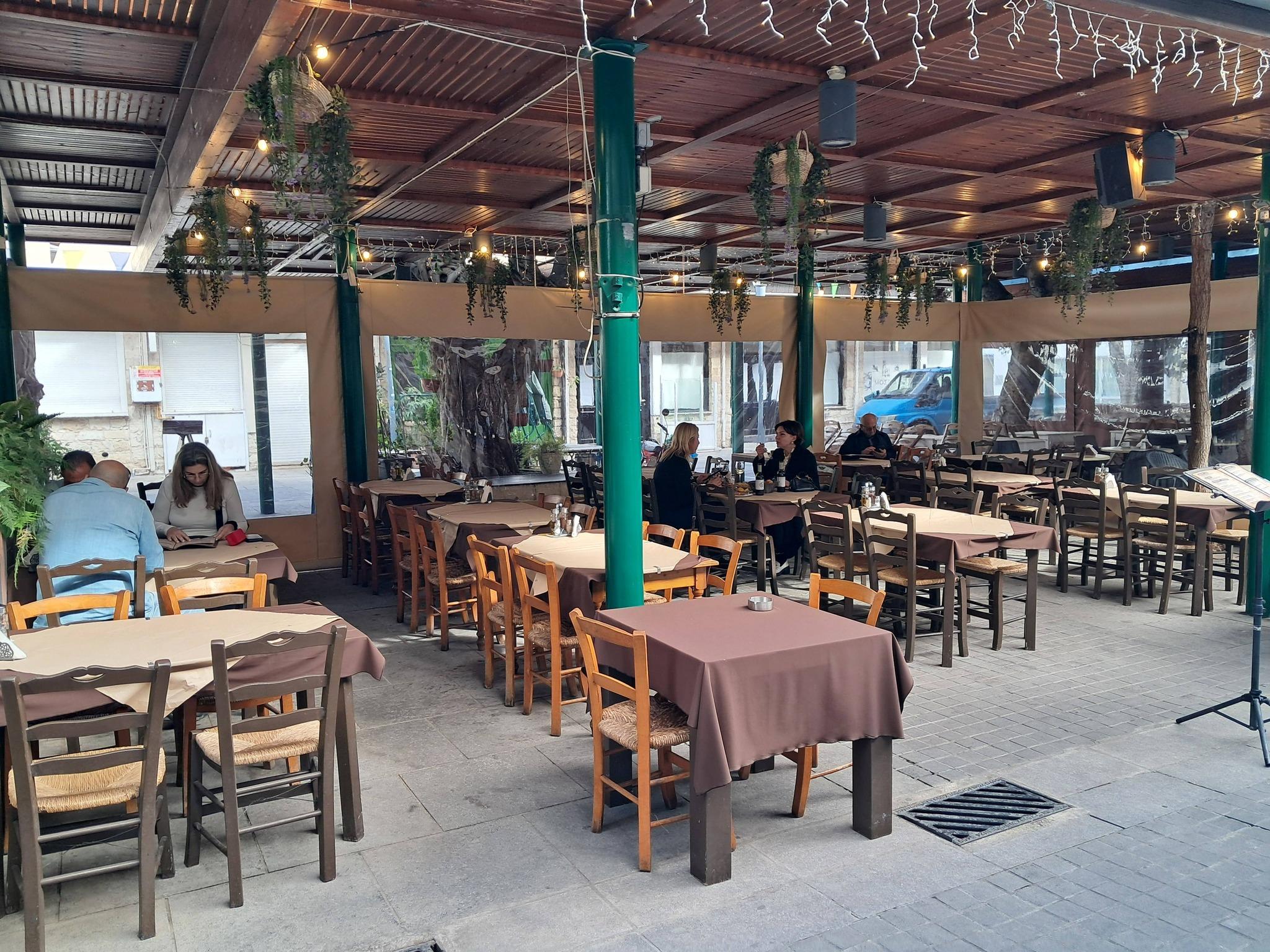
Where to find authentic rebetika in Paphos
Lozan Mousiko Kafeneio - Ouzeri
In the center of the Old Town, there is an authentic venue where, to the sounds of rebetika, you can try different kinds of local alcohol: anise vodka “Ouzo,” and grape brandy — “Tsipouro,” along with local dishes and snacks, as well as traditional meze. The cozy rustic setting of the venue is perfect for listening to rebetika. As in other similar places, music nights here are mostly held on Fridays and Saturdays and start after 21.30.
Antigo Mezedopoleio
This musical taverna can be found in the Ktima area in the Old Town. Music nights here are usually held on Fridays, Saturdays, and Sundays. At the same time, the repertoire here is quite diverse: from bouzouki and laiko to old Greek songs and, of course, rebetika. Here you can feel traditional Cypriot hospitality and try delicious traditional dishes and snacks, including many vegetarian options. This taverna is a favorite meeting place for both locals and tourists, who gather here to spend a pleasant evening accompanied by traditional melodies.
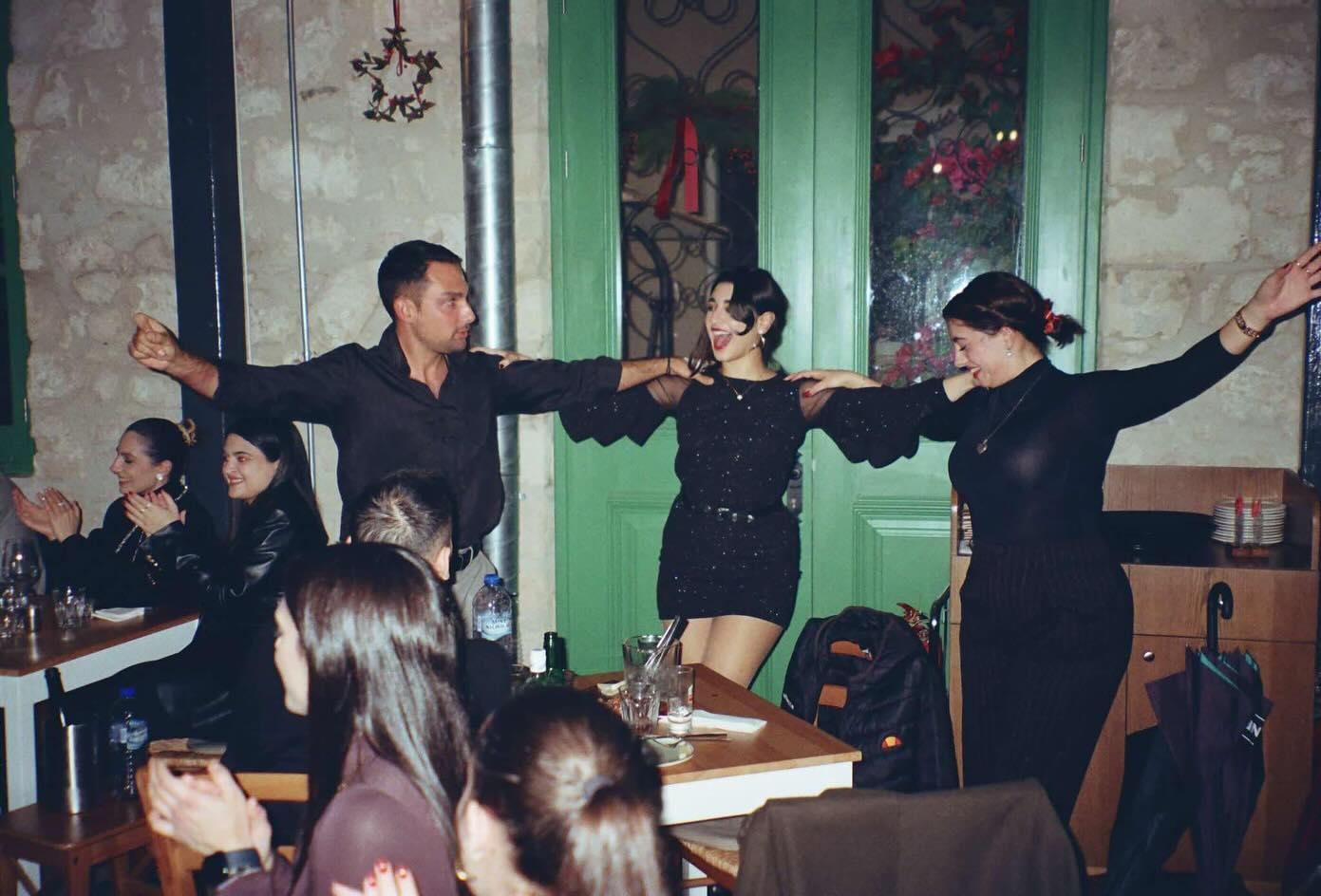
Rebetika in Nicosia : hidden treasures of the capital
Mousikon Kafenio (Μουσικόν Καφενείο)
Located in the historic center of the capital on the main street Onasagorou, Mousikon Kafenio is a very colorful place that literally comes alive in the evenings. In summer, a special “intimate” and somewhat bohemian atmosphere is created here with outdoor tables, soft candlelight, and live authentic music. Usually, talented city musicians and connoisseurs of folk Greek styles gather here, including rebetika, as well as the entechno style. The best days to listen to rebetika and other traditional Greek music are Thursday and Sunday. It is recommended to come early to get the best seats, around 20.30-21.00.
Heart of the Maga
Located away from the city bustle, in the Trikomo area, this is one of the most authentic venues in the capital, which is quite often compared to Athenian music taverns. Its very name is quite symbolic and directly connected with music in the rebetika style. The word “magas” (μάγκας) usually describes a seasoned person with an independent and hot-tempered character, who is a fairly frequent hero of rebetika works. Often he came from Piraeus, Smyrna, or Athens. This simple, at first glance unremarkable taverna is a true hidden gem of Nicosia. Wooden tables, old photographs on the walls, warm dim lighting create such a cozy and relaxed atmosphere that you just want to sing along with the musicians, even if you do not know the words.
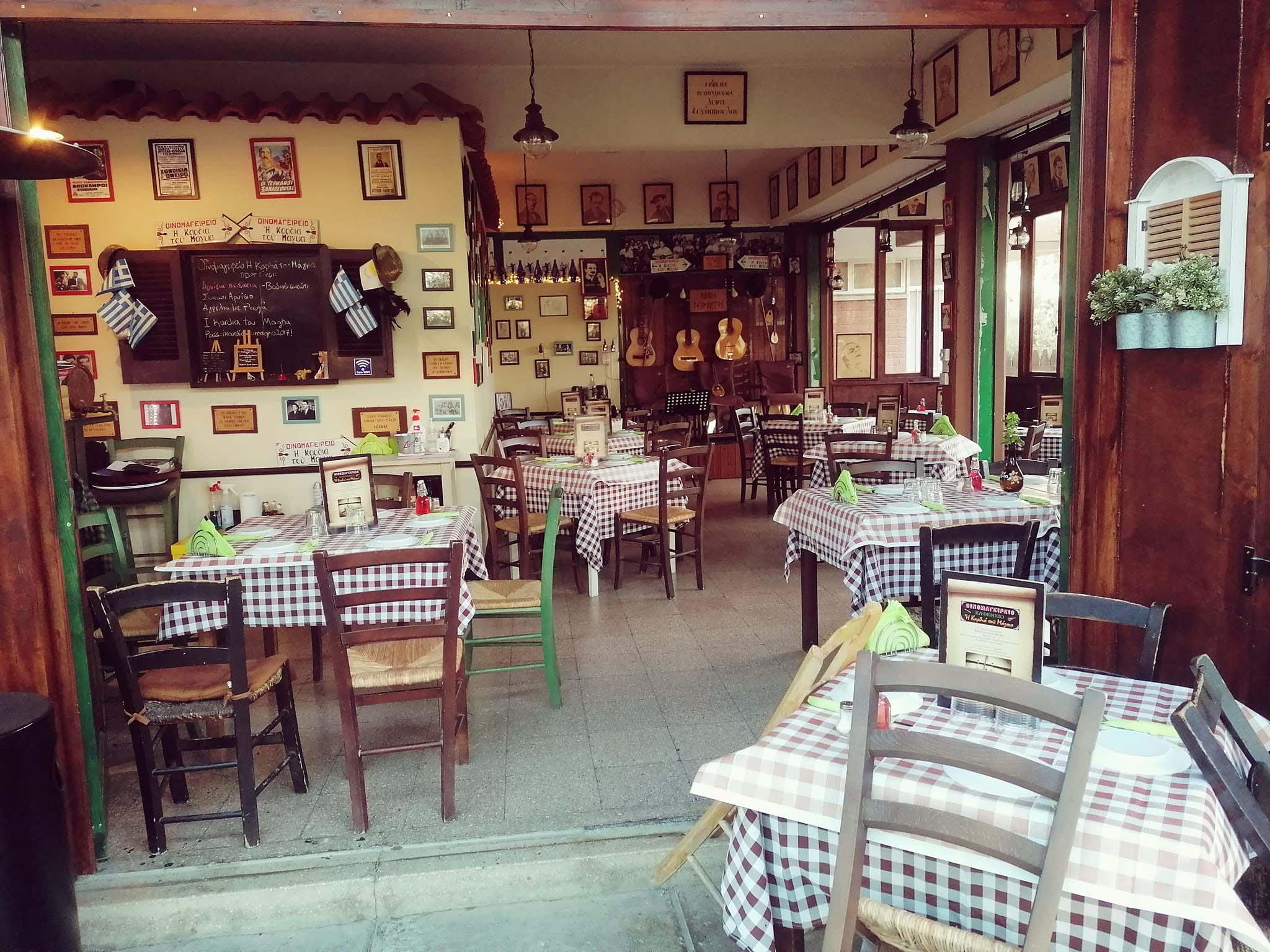
Music nights in Larnaca, Ayia Napa, and Protaras
In these coastal tourist centers, authentic venues with traditional music are rarer compared to the capital. However, even in these cities you can still find places to listen to rebetika if you move away from modern bars and restaurants on the seafront. For example, in Larnaca you can hear live music at the taverna — Alonia Tavern Livadia, in Ayia Napa — at Ayianapitika Cyprus Tavern, and in Protaras — at the Greek cuisine restaurant To Ellinadiko. And although these places do not specialize exclusively in rebetika, sometimes you can hear live folk music with its elements here.
How to choose a place and prepare for a rebetika night
What to pay attention to when choosing
First, you need to check the schedule or call the venue to ask on which days the musicians play rebetika. If you are looking for a truly authentic cultural experience, it is better to choose small non-touristy venues. You can even ask locals — they surely know such secret places. Usually, in small taverns and traditional “kafeneio” you can hear real rebetika, while in more modern and tourist venues the music may be less soulful and melodic with elements of other musical influences. The best venues that specialize in rebetika can be recognized by the interior and setting: simplicity, old details, small spaces, atmospheric lighting — all this contributes to the right perception of the music.
Tips for the perfect evening
Since rebetika is not just music but a special state of mind, it is important to tune in properly for the music night. It is best to come to the venue right at opening so that you have the opportunity to choose the best seats, closer to the musicians. It is hard to imagine a rebetika-style evening without traditional drinks and snacks. Ouzo and tsipouro accompanied by meze will be the perfect accompaniment.
At the same time, it is important not to hurry and enjoy the food slowly. Usually the evening reaches its culmination closer to 22.30-24.00. That is when you can hear the most moving pieces. To truly enjoy the evening, it is not necessary to know Greek well. Rebetika is about emotions, so it is much more important to simply relax and feel the rhythm and mood of this music.

What is rebetika and its Cypriot soul: a brief primer
Rebetika is the richest musical heritage of Greece, which has been recognized as UNESCO culture heritage. Sometimes rebetika is also called “Greek blues.” As a separate musical genre, rebetika appeared at the beginning of the 20th century in Greek port cities — Piraeus and Smyrna, as well as in Athens and Thessaloniki. Initially, it was the music of migrants, sailors, laborers, and refugees, that is, ordinary people with a difficult fate. Therefore, its performance is often associated with improvisation and a certain “roughness.”
The three pillars of rebetika: bouzouki, pain, and joy
Rebetika can be described as emotional music full of experiences, improvisation, and expression. It combines the sound of traditional Mediterranean instruments: bouzouki, baglamas, as well as guitars, violins, and drawn-out singing. The main themes of such songs are unhappy love, immigration and nostalgia, social problems, as well as deep personal experiences and an existential crisis.
It is safe to say that rebetika is the embodiment of life itself with all its ups and downs — it is extremely truthful, expressive, and deep. In rebetika, motifs of sadness and joy are paradoxically combined. In the Greek language there is even a special term for this — “charmolipi” (χαρμολύπη), which literally translates as “joyful sorrow.” Often in life, too, melancholy is replaced by funny, and after a black streak a white one begins.
All this multifaceted nature can be felt at music nights in the rebetika style, where sad yet rhythmic melodies in minor keys sound, existential themes are raised in the songs, and people in the hall sing along and feel sad together with the performer, and sometimes laugh and applaud. This can be called a kind of “music therapy,” where you can pour out your soul in a drawn-out melody, where experiences become shared, and emotional pain is lived through collectively and turns into a beautiful work of musical art.
Differences between Cypriot and Greek rebetika
Despite the fact that rebetika moved to Cyprus from neighboring Greece, here it acquired its unique local features. Unlike Greek rebetika, where bouzouki predominates and there is more drama and improvisation, Cypriot rebetika sounds softer and more melodic. Also, Cypriot rebetika gained a somewhat different sound thanks to the use of local musical motifs and instruments. Compared to Greece, in Cyprus rebetika is a more social event, where guests become part of the action, often singing along with the musicians.

Frequently asked questions
In which cities of Cyprus is rebetika played most often?
The best place where you can listen to rebetika is rightfully Nicosia, followed by Limassol and Paphos. Sometimes you can also attend a festival where rebetika is played, for example the Kypria Festival (Kypria Festival), as well as many local cultural festivals.
How much does an evening in a taverna with live music cost?
Usually, such an evening can cost 30—55 euros if you plan to order meze and drinks.
Can you come with children?
If you choose a traditional music taverna and do not plan to stay out late, you can bring children with you. Usually, in such taverns there are many families with children from 21.00 to 22.30. However, after 22.30 the evening reaches its peak, which is more suitable for adults. Also, it should be remembered that a traditional music night with rebetika sometimes drags on until 2.00 a.m.
Can you dance?
Yes, at the height of the evening, usually some guests start dancing. However, dances in the rebetika style differ from usual ones. Therefore, it is better to first watch the locals and then try to repeat their movements.
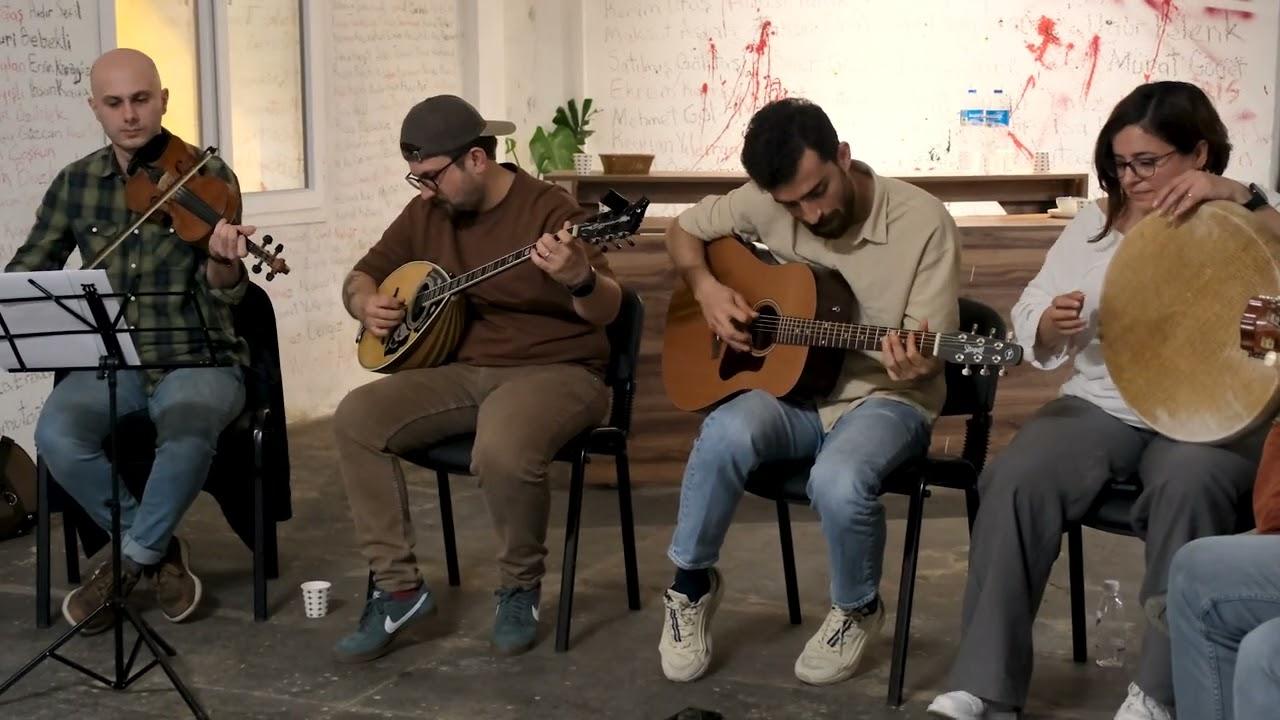
If you like live music and are interested in Cypriot culture, then you simply need to listen to rebetika at least once in a traditional local taverna. We are sure that this experience will not leave you indifferent. Rebetika is not just a musical performance, but a dialogue between the performer and the audience. Rebetika will not let you get bored — its drawn-out minor chords are replaced by a lively rhythm, and emotional bitterness by a sweet aftertaste. This music touches the deepest notes of the soul, revives feelings you did not even suspect, and evokes old memories.
Read also:
- Cyprus wedding traditions — rituals, symbols and features of local celebrations
- Traditional Cypriot jewellery: history, Lefkara silver and filigree technique
- TOP-10 new buildings in Limassol to be completed in 2026
- Kindergartens in Cyprus. How they work, how much they cost and what parents should know
- Childbirth in Cyprus. Cost and citizenship procedures 2026