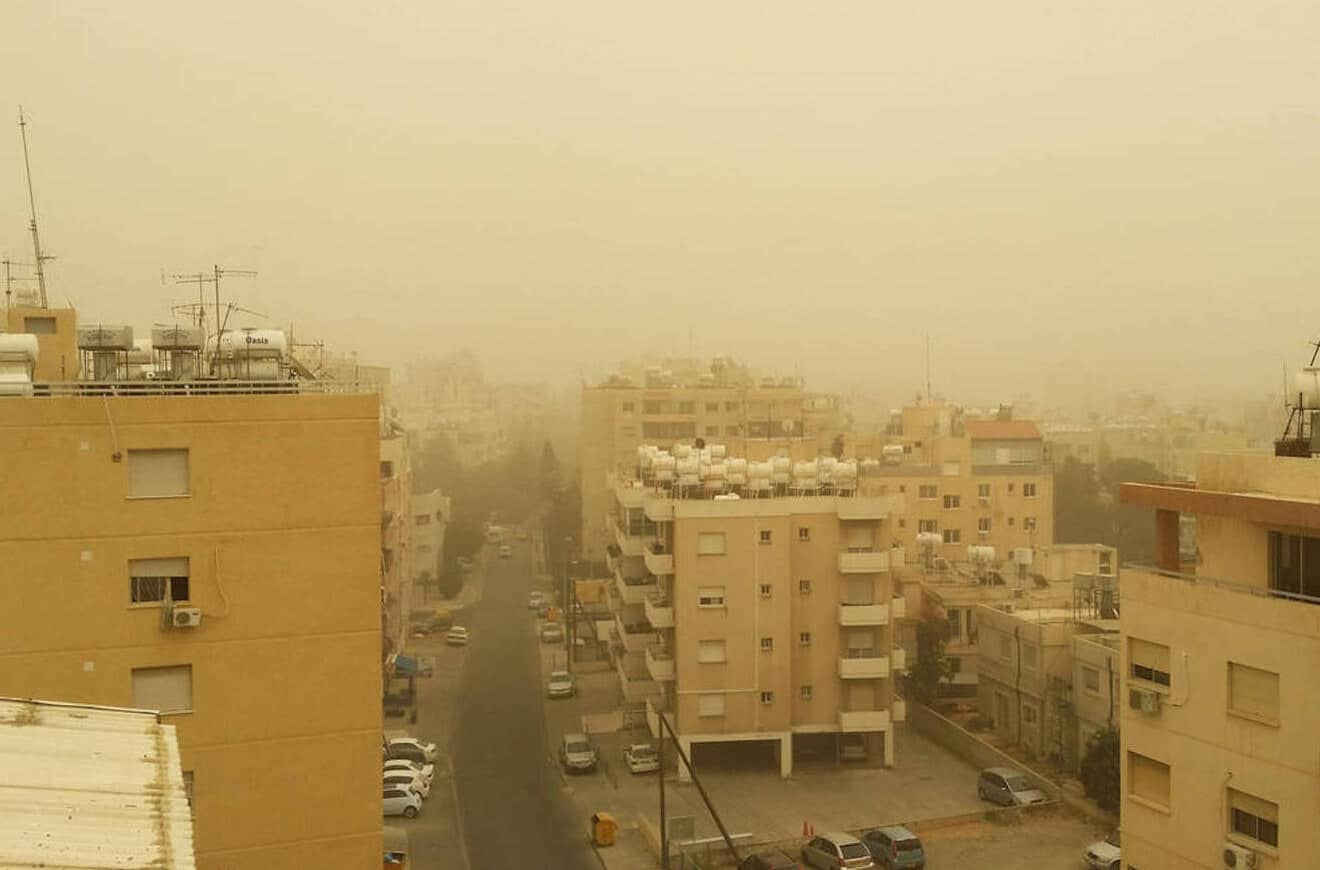
Over the past few years, dust storms have become an increasingly familiar occurrence in Cyprus, and they are growing both more frequent and more intense. This trend is driven by climate change and the island's proximity to North Africa and the Middle East—the regions where these dust storms originate. Strong winds regularly carry fine dust and sand particles from the Sahara Desert, Libya, and the Arabian Peninsula across the Eastern Mediterranean, turning the sky yellow, reducing visibility, and significantly worsening air quality in Cyprus.
To help residents and visitors stay safe, we have prepared this comprehensive guide on what to do during seasonal dust storms. Here, you will learn where the dust comes from, how fine particles affect your health, how to monitor air quality in real time, and what workplace safety regulations apply during dust events. We also provide practical advice on the most effective ways to protect your lungs, your home, and your car. Let's get started!
Quick Guide: Immediate Actions During a Dust Warning
When the sky begins turning yellow and visibility rapidly deteriorates, it is a clear sign that a dust storm is approaching. It is important to act quickly to minimise the harmful effects of dust exposure. Stay calm and simply follow these recommendations:
1. Stay indoors as much as possible, close all windows and doors, and set air conditioners to recirculation mode.
2. Use high-quality air purifiers, such as HEPA filtration systems, if available.
3. Avoid unnecessary travel and postpone outdoor exercise or heavy physical work until conditions improve.
4. If you must go outside, wear a properly fitted FFP2, FFP3, or N95 respirator. Make sure it fits tightly around your face.
5. Monitor official air quality updates and continue following safety precautions until the authorities confirm that conditions have improved.
Checklist for vulnerable groups
Certain groups of people are more vulnerable to dust exposure and should take extra precautions during periods of severe air pollution. These include:
- People with asthma, chronic obstructive pulmonary disease (COPD), or other respiratory illnesses.
- People with cardiovascular disease.
- People with allergies or weakened immune systems.
- Young children.
- Older adults.
- Pregnant women.
During periods of elevated dust levels, these individuals should remain indoors as much as possible, keep windows closed, use air filtration where available, wear appropriate protective masks when outdoors, and avoid strenuous physical activity until air quality improves.
The false sense of security provided by surgical masks
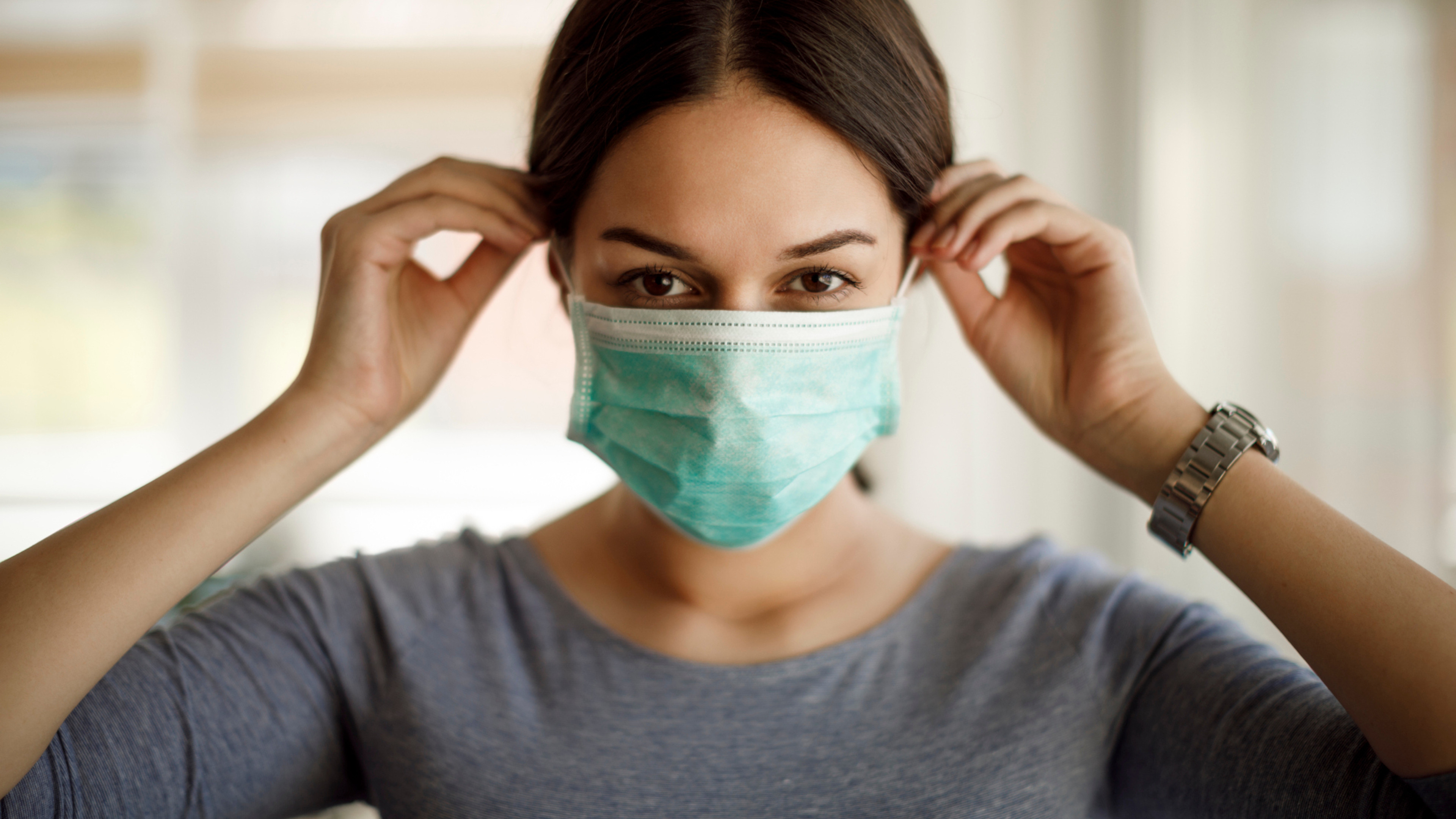
Many people believe that any face mask provides effective protection against airborne dust. However, not all masks are created equal, and most standard surgical masks offer little or no protection against microscopic dust particles.
For effective protection during severe dust storms, you should wear certified FFP2, FFP3, or N95 respirators. These masks are designed to fit tightly against the face and filter the vast majority of fine airborne particles, including PM10 and PM2.5.
In general, FFP3 masks provide the highest level of protection and are particularly recommended for people in vulnerable groups. FFP2 masks and N95 respirators provide sufficient protection for most healthy adults.
The 50 Microgram Threshold
According to EU air quality legislation, the daily average concentration of PM10 particles must remain below 50 μg/m³ (micrograms per cubic meter). In Cyprus, air quality monitoring is the responsibility of the Department of Labour Inspection.
When the daily PM10 level exceeds this threshold, air quality is considered unhealthy, prompting official warnings and protective recommendations.
Medical Facts: Why Mediterranean Dust Is Toxic
Many people believe that dust is merely an unpleasant nuisance with no real impact on health. However, this is not true. In reality, Mediterranean dust is a hazardous mixture of mineral particles and pollutants. As dust clouds travel thousands of kilometers to Cyprus, they accumulate additional contaminants from urban, industrial, and agricultural areas. By the time they reach the island, they carry not only natural minerals but also heavy metals, pollen, fungal spores, bacteria, viruses, and other microscopic particles that may affect human health. This is why health authorities often advise vulnerable groups to limit outdoor activities during severe dust storms.
PM10 vs PM2.5: The Battle Inside Your Lungs
Mediterranean dust contains particles of various sizes, the most common being PM10 and PM2.5. Let's take a closer look at what these terms mean and how they affect the human body.
PM10 refers to particulate matter with an aerodynamic diameter of 10 micrometers (μm) or less—approximately 5 to 10 times thinner than a human hair. Although invisible to the naked eye, these particles can cause significant health problems.
For example, they can easily enter the nose, throat, and upper respiratory tract, reaching the trachea and bronchi. PM10 particles may cause irritation, coughing, sneezing, and worsen conditions such as asthma and allergies. According to scientific research, long-term exposure to elevated PM10 levels is associated with an increased risk of respiratory and cardiovascular diseases, particularly among vulnerable individuals.
PM2.5 particles and smaller pose an even greater threat because they are capable of penetrating deeper into the lungs, reaching the alveoli. Furthermore, these tiny particles can enter the bloodstream, contributing to inflammation and increasing the risk of cardiovascular and respiratory diseases.
PM2.5 particles are so small that you may not even notice their presence in the air. However, scientists warn that due to their extremely small size and large surface area relative to their mass, they can carry more toxic substances than larger PM10 particles. Therefore, when checking air quality forecasts, it is especially important to pay attention to PM2.5 levels.
Heavy Metals, Bacteria, and Viruses
As dust travels across the Mediterranean, it accumulates additional microscopic particles. Among these invisible "hitchhikers" are pathogens and industrial pollutants. Below are some of the components frequently detected in Saharan dust and sand.
Heavy Metals
As dust clouds move across the Mediterranean, they collect anthropogenic pollutants from industrial, urban, and agricultural regions. These contaminants mainly originate from vehicle emissions, industrial waste, and agricultural chemicals. In particular, Saharan dust has been found to contain particles of heavy metals, including:
- Lead (Pb),
- Cadmium (Cd),
- Nickel (Ni),
- Chromium (Cr),
- Copper (Cu),
- Zinc (Zn),
- Manganese (Mn).
Attached to the surface of dust particles, these heavy metals can enter the human body, causing oxidative stress, inflammation, and cellular damage.
Bacteria
Desert dust also serves as an ideal carrier for microorganisms. Scientists have identified hundreds and even thousands of bacterial species in Saharan dust. The most common include:
- Bacillus
- Pseudomonas
- Micrococcus
- Streptomyces
Although most of these bacteria are generally harmless, some may cause infections in people with weakened immune systems.
Fungi
Dust particles can also transport fungal spores, including:
- Aspergillus
- Cladosporium
- Alternaria
- Penicillium
These fungi may pose a particular risk to people suffering from allergies and asthma.
Viruses
In recent years, scientists have detected viral genetic material within dust particles. However, research is still ongoing to determine whether viruses can travel long distances while remaining infectious.
Short-Term Symptoms and Long-Term Cardiovascular Risks
Prolonged exposure to dust can cause both short-term and long-term health effects.
The most common short-term symptoms include:
- eye irritation, redness, and excessive tearing,
- sore throat and nasal irritation,
- coughing and sneezing,
- difficulty breathing,
- headaches and fatigue.
In addition, dust storms can worsen asthma, COPD, and allergic rhinitis in vulnerable individuals. Numerous studies have demonstrated an increase in emergency department visits during or immediately after dust storms, particularly due to respiratory conditions. Researchers have also observed a rise in hospital admissions for cardiovascular diseases, including heart attacks, heart failure, and stroke.
The highest number of medical visits typically occurs on the day of the dust storm or within the following 24–72 hours, indicating a strong link between acute health complications and air quality on the island. Although short-term symptoms usually subside once air quality improves, Mediterranean dust may also contribute to serious long-term health problems.
For example, fine dust particles stimulate the production of reactive oxygen species (ROS), which can overwhelm the body's antioxidant defenses and damage lipids, proteins, and even DNA. This results in oxidative stress and inflammation in both the lungs and blood vessels. Dust particles may also have harmful effects on the cardiovascular system.
Scientific studies have shown that regular exposure to elevated levels of PM10 and PM2.5 particles can increase blood pressure, raise blood viscosity, promote blood clot formation, and trigger heart rhythm disturbances, thereby increasing the risk of chronic cardiovascular disease. According to the World Health Organization (WHO), long-term exposure to particulate air pollution is one of the leading environmental causes of premature death worldwide.
Digital Tools: Monitoring Air Quality in Real Time
Given the health risks described above, monitoring air quality in Cyprus is of critical importance. Fortunately, the island has a well-developed national air quality monitoring network.
This network measures air pollution levels across Cyprus and is operated by the Department of Labour Inspection. Monitoring stations are located throughout the island, including along major urban roads, in residential neighborhoods, industrial areas, and rural locations. The network measures several key pollutants, including:
- PM10,
- PM2.5,
- ozone (O₃),
- nitrogen dioxide (NO₂),
- nitrogen oxides (NOₓ),
- sulfur dioxide (SO₂),
- carbon monoxide (CO),
- benzene (C₆H₆).
These measurements are updated in real time, allowing residents to monitor air quality in their local area.
Many monitoring stations also record meteorological data such as wind speed and direction, temperature, humidity, atmospheric pressure, and solar radiation.
Official Air Quality Cyprus Platform
Air Quality Cyprus is the official website for monitoring air quality across Cyprus. It is managed by the Department of Labour Inspection.
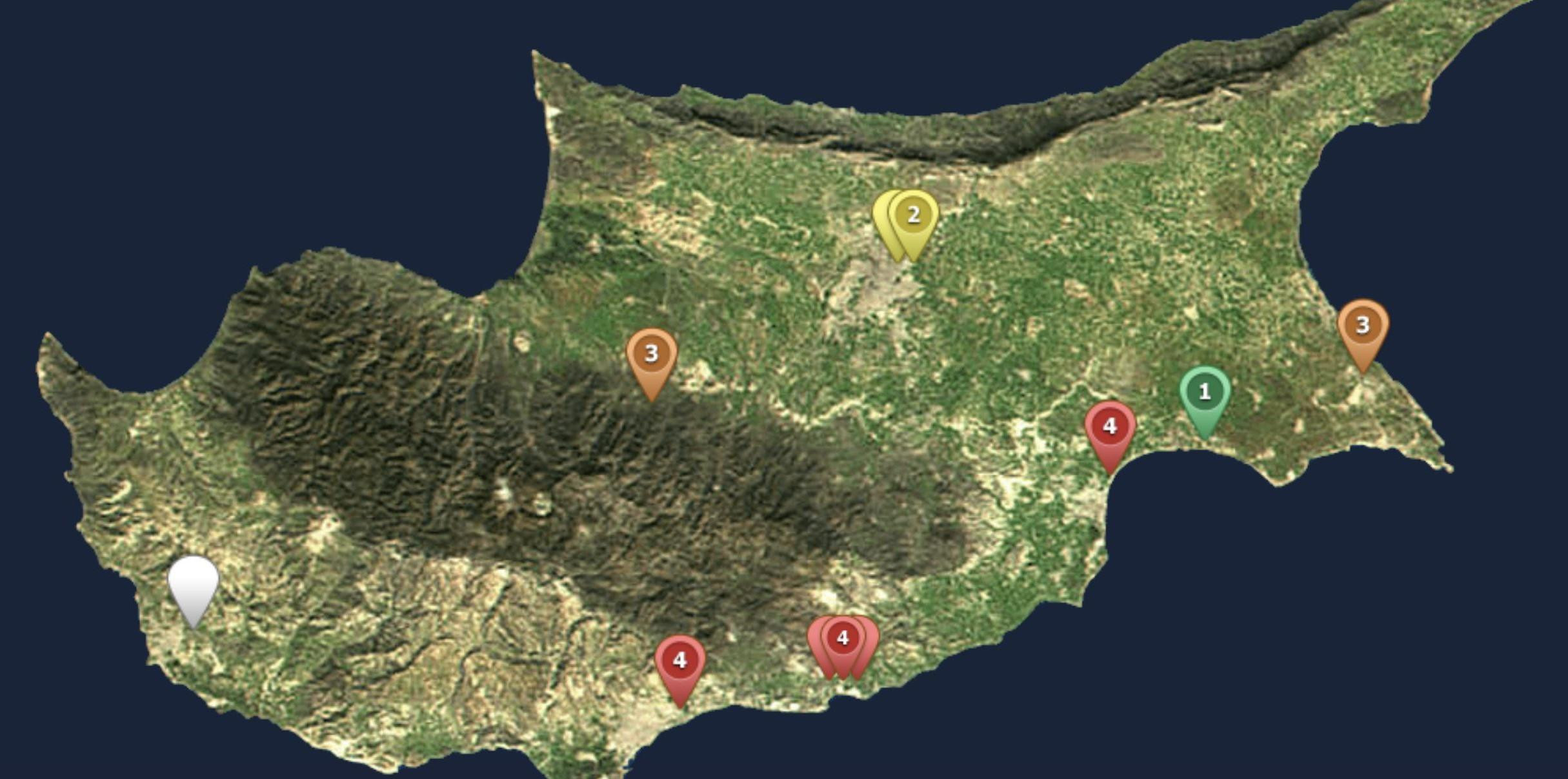
The platform allows users to view the current concentration of each pollutant at every monitoring station. Users can either monitor air pollution through an interactive map or select individual monitoring stations based on their location.
Air quality is displayed using a color-coded system, where green indicates low pollution, yellow indicates moderate pollution, orange indicates high pollution, and red indicates very high pollution levels. An official mobile application, Air Quality Cyprus, is also available for Android and iOS. Like the website, it provides real-time air quality data, interactive maps, and customizable notifications for selected pollutants and locations. During severe dust storm events, the Department of Labour Inspection typically issues public health warnings, advising vulnerable groups to remain indoors and limit time spent outdoors.
Alternative Global Applications
In addition to the official national platform, numerous third-party services provide automatic push notifications and dust storm forecasts up to 48 hours in advance. These services typically combine data from thousands of monitoring stations, satellite observations, and atmospheric forecasting models to deliver highly accurate air quality information. Among the most popular and reliable platforms are:
- AccuWeather, which provides detailed air quality information, dust storm forecasts, weather alerts, and notifications about changes in air quality.
- IQAir AirVisual, one of the world's most popular air quality monitoring applications, offering real-time AQI data, PM2.5 measurements, wildfire smoke tracking, health recommendations, and forecasts ranging from 48 hours to several days.
- Windy, which provides dust concentration data, wind flow visualization, satellite imagery, and forecast models, allowing users to track the movement of dust clouds over Cyprus.
- The Weather Channel provides air quality forecasts, health alerts for vulnerable groups, and detailed weather information.
Visual Monitoring: Observatory Data
Forecasting dust storms is a complex process that requires advanced technological tools. One of these is the Cyprus Atmospheric Remote Sensing Observatory, which helps improve the accuracy of dust storm forecasting.
The observatory uses ground-based remote sensing technologies, including Light Detection and Ranging (LiDAR), laser cloud ceilometers, and atmospheric profiling systems that generate real-time vertical cross-sections of the atmosphere.
These vertical atmospheric profiles provide an effective way to detect elevated dust layers long before dust concentrations begin to increase at ground level.
Combined with satellite imagery, observatories such as these help produce the most accurate short-term dust storm forecasts.
Protecting Homes and Workplaces
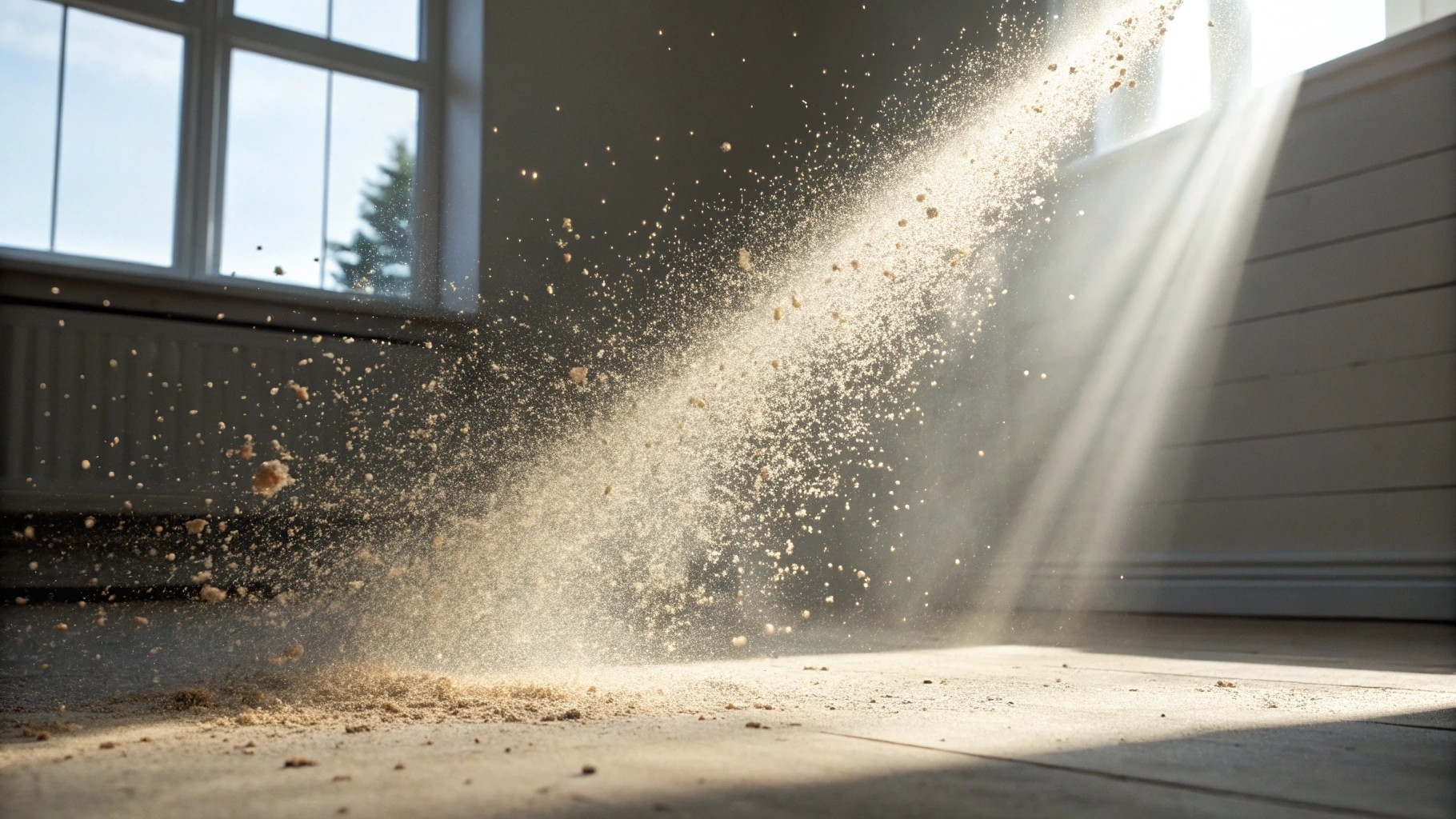
During severe dust storms, maintaining good indoor air quality becomes an absolute priority, as it affects not only your health but also the well-being of your family members and even your pets.
To help you reduce dust accumulation indoors and minimize wear on air purification equipment, we have compiled a number of practical recommendations.
HVAC and Air Filtration Protocols
During dust storms, it is important to ensure that your HVAC systems are operating properly. Most modern split-system air conditioners function without problems, but they should ideally be switched to recirculation mode to prevent outdoor air from entering. It is also essential to keep filters clean or replace them regularly, as clogged filters reduce the efficiency of the air conditioner and may eventually lead to system malfunctions.
Furthermore, during severe dust storms, standard air conditioner filters may not be sufficient because they often cannot capture very fine particles such as PM2.5. In these situations, standalone HEPA air purifiers become particularly valuable. HEPA filtration systems are specifically designed to remove extremely fine dust particles, including PM2.5. For the best results, they should be placed in rooms where you spend the most time and operated continuously during periods of peak pollution to maintain consistently good indoor air quality while reducing the workload on HVAC systems.
Sealing Your Home: Windows and Balconies
Even when windows and doors are closed, dust particles can enter through small gaps around sliding doors, window frames, and balconies. Therefore, it is important to ensure that these openings are properly sealed. Below are some of the most effective ways to minimize dust both inside and outside your home:
- For glass sliding doors, use weatherstripping or rubber seals to close small gaps. For a more permanent solution, silicone sealant can also be applied.
- To protect balconies, place damp barrier mats near the threshold to help trap dust before it enters the home.
- Outdoor furniture bears the brunt of dust storms, as dust and sand combine with moisture in the air to form stubborn layers of grime on surfaces. It is therefore advisable to cover furniture with waterproof, dust-resistant covers. Once the dust storm has passed, washing all outdoor surfaces will help prevent dirt buildup and staining.
Legal Requirements for Outdoor Work and Employers
Under EU occupational safety directives and Cypriot workplace safety legislation, employers are required to assess and minimize exposure to hazardous environmental conditions, including dust storms. In Cyprus, these regulations are administered by the Department of Labour Inspection. During severe dust storms, the department also issues specific recommendations for the construction, agricultural, and outdoor maintenance sectors. When dust concentrations reach hazardous levels, employers are legally required to implement risk management measures such as:
- suspending heavy physical work outdoors;
- rescheduling work to periods with lower pollution levels;
- providing workers with respiratory protective equipment (such as FFP2 or FFP3 masks);
- limiting exposure time and increasing the frequency of breaks;
- relocating employees indoors or to protected areas whenever possible.
Vehicle Maintenance and Safe Driving
Fine dust particles are harmful not only to human health but can also negatively affect your vehicle. Let's look at how you can minimize these effects and better protect your car.
Protecting the Engine Air Intake and Cabin Air Filters
During severe dust storms, fine dust particles can quickly clog your vehicle's filtration system and even enter the combustion chamber. This may contribute to internal engine wear and gradually increase fuel consumption. For this reason, it is often necessary to inspect or replace the engine air filter after a dust storm. The cabin air filter can also become clogged with fine dust and should likewise be checked regularly. In general, to reduce the impact on both filters during dust storms, it is best to keep the windows closed and operate the vehicle's ventilation system in recirculation mode.
Driving in Low Visibility: Road Safety Hazards
Dust storms can significantly reduce visibility, as fine dust particles create a yellow or brown haze in the atmosphere. In some cases, visibility may fall below 1 km, posing a serious risk to road safety. Under such conditions, drivers are advised to reduce speed, increase the following distance from the vehicle ahead, and use low-beam headlights or fog lights.
Some drivers mistakenly use their hazard warning lights while driving. This can be extremely dangerous, as hazard lights are primarily intended for stationary or very slow-moving vehicles. Flashing hazard lights may confuse other drivers, disrupt traffic flow, and increase the risk of collisions. During severe dust storms, it is advisable, whenever possible, to leave the highway or stop in a safe location and wait until visibility improves.
The Golden Rule for Cleaning Muddy Dust
A dust storm can be a real challenge for your vehicle. However, cleaning your car afterward can be just as problematic if it is done incorrectly.
Dry dust and sand, when mixed with moisture, form an abrasive paste that can easily scratch glass and painted surfaces. For this reason, you should never wipe your vehicle with a dry cloth, as this creates a "sandpaper effect" that may damage the paintwork.
Likewise, using windshield wipers without water or windshield washer fluid can lead to scratches and micro-cracks on the windshield. The safest way to remove dust is to use plenty of water. Begin by thoroughly rinsing away as much dust as possible. In some cases, pre-soaking the vehicle with foam and rinsing it using a pressure hose can also be helpful.
Only after most of the dirt has been removed should you clean the vehicle using a soft microfiber cloth and a dedicated car shampoo.
The same principle applies when cleaning the windshield—a generous amount of windshield washer fluid will usually solve the problem safely.

Frequently Asked Questions
During which months are dust storms most common in Cyprus?
Dust storms occur most frequently in Cyprus during spring (March–May) and autumn (September–November), when southerly winds carry Saharan dust across the Eastern Mediterranean. However, due to climate change, these events have become much more frequent and can now occur at almost any time of the year.
Are N95 or FFP2 masks easy to find in Cyprus?
FFP2 masks are widely available at many pharmacies, supermarkets, and even hardware stores throughout Cyprus. Some pharmacies also stock N95 respirators, although availability may vary depending on the location.
How does rain affect air quality during a dust storm?
In general, rain helps clean the air by washing dust particles out of the atmosphere, often improving air quality after rainfall. However, it also creates muddy deposits on cars, windows, and other outdoor surfaces.
Is it safe to exercise indoors using ventilation systems during a dust warning?
It depends on the type of ventilation system. In general, indoor exercise is considered safe in buildings equipped with high-efficiency air filtration systems operating in recirculation mode.
What should I do if my flight to Larnaca or Paphos is delayed because of poor visibility?
If your flight is delayed, follow your airline's instructions regarding rebooking. It is also advisable to check your flight status regularly before leaving for the airport and monitor any updates.
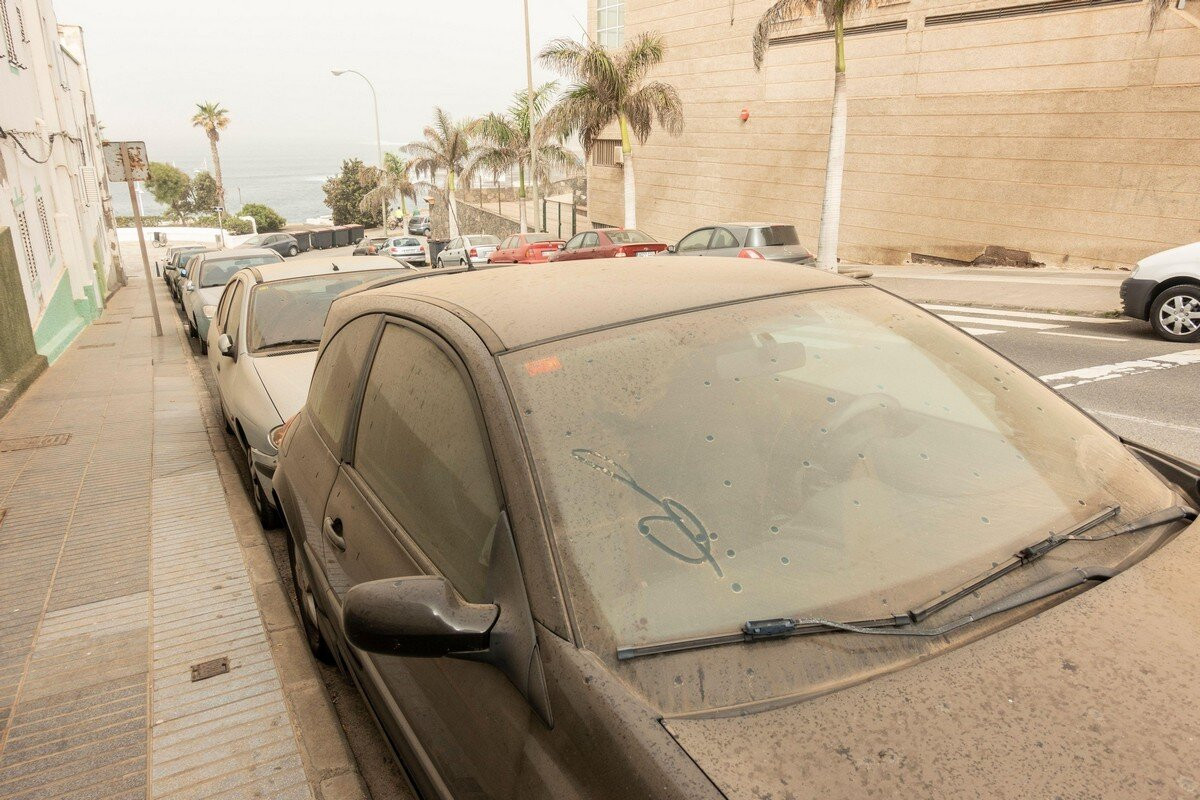
Dust storms are gradually becoming an unavoidable part of life on the island. Although we cannot prevent them, we can learn to live with them. Following basic safety measures—such as wearing protective masks, staying indoors, and using high-quality air purifiers—can help you get through these challenging periods more comfortably while reducing potential health risks.
Take care of yourself and your loved ones, stay informed by following official alerts, and remember the recommendations outlined in this guide.
Read also:
- The Cost of Living in Cyprus in 2026
- The Papadopoulos Family Mansion in Limassol: An Architectural Gem on the Seafront
- Enduro and Motocross in Cyprus: A Guide to the Best Mountain Trails in 2026
- Where to Watch English-Language Films in Cyprus: The Best Cinemas in 2026
- How to Make Money from Real Estate in Cyprus: A 2026 Guide to Property Flipping