
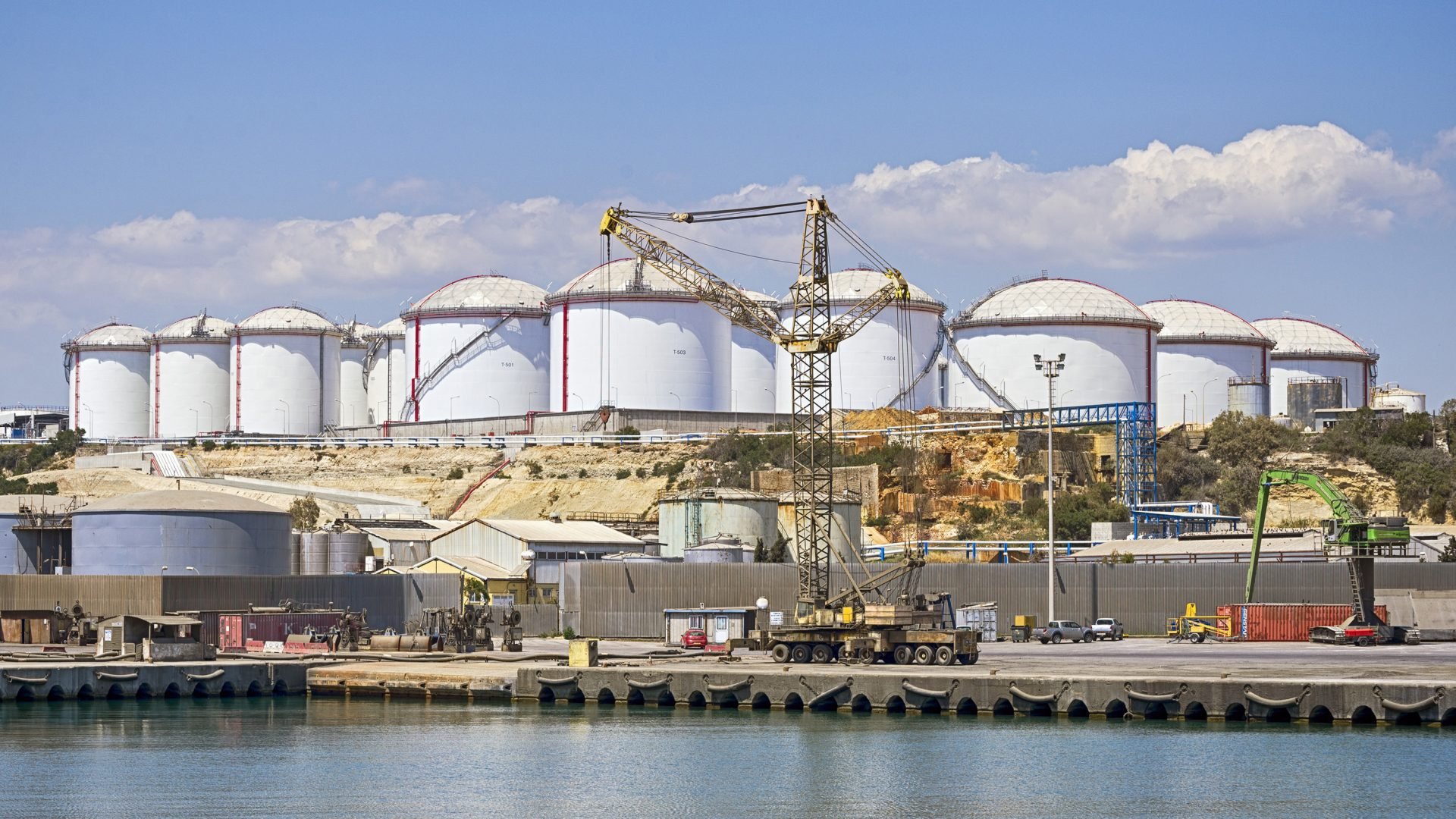
The completion of construction of the liquefied natural gas terminal in the Vasiliko area (Limassol) has become the first serious challenge for Cyprus’s gas infrastructure. The project, managed by Etifa in coordination with the Ministry of Energy of Cyprus, was intended to play a key role in reducing electricity costs and transitioning the country to more environmentally friendly fuel.
However, the project deadlines have been postponed repeatedly. According to the latest data, the full commissioning of the terminal may be delayed by several years, which will directly affect the island’s energy security and the cost of electricity production.
The vessel “Prometheus” — the second major issue
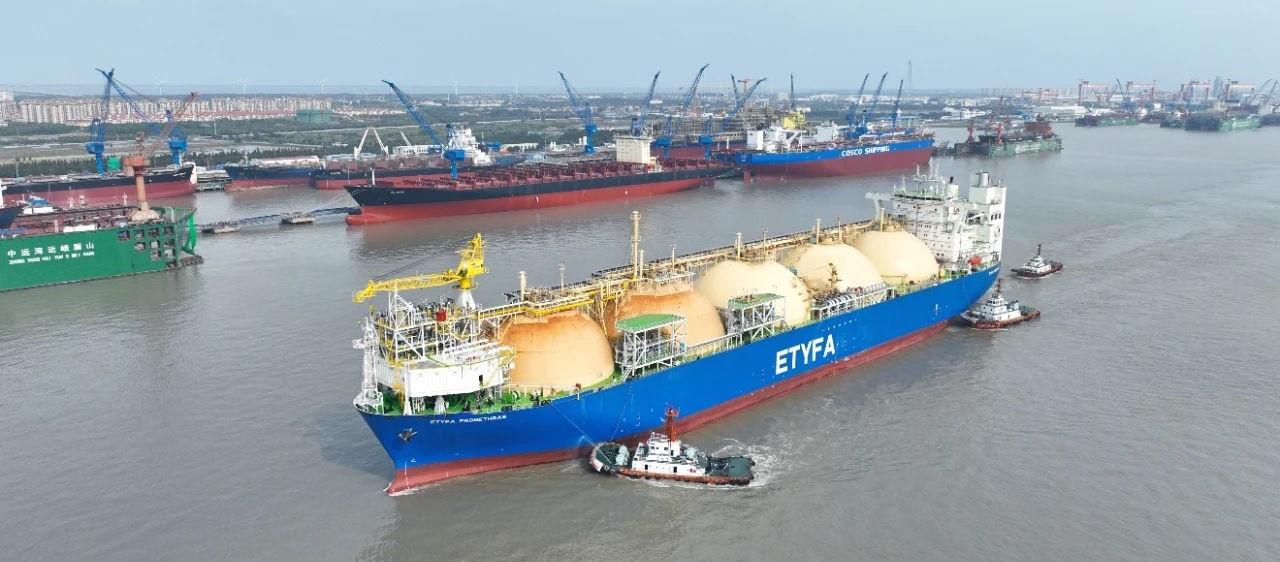
The second problem remains the management of the specialized vessel “Prometheus,” intended for storage and regasification of liquefied natural gas. It is planned to test it as soon as possible and begin using it as a floating installation.
Authorities are also considering the option of temporarily leasing the vessel to a foreign LNG terminal to reduce the financial burden on the budget while the facility cannot yet operate fully in Cyprus. But implementing this idea has turned out to be much more complicated than expected.
The position of the European Union and the funding dispute
The main obstacle is linked to the position of the European Commission. Brussels does not approve of commercially leasing the “Prometheus” to other countries because European funds were previously allocated for the vessel’s modernization. According to the EU, the subsidies were provided exclusively to meet Cyprus’s energy needs, not to generate profits abroad.
The Cypriot side, in turn, argues that most of the grants were effectively returned to the European Union due to violations in the tender procedure. As a result, a significant share of the project financing fell on the country’s own resources and loans from international financial institutions, including the European Investment Bank.
Therefore, the authorities consider it logical to allow temporary commercial use of the vessel so that it does not remain idle and does not require constant maintenance costs.
Current status of the project and new prospects
Despite ongoing negotiations with Brussels, no positive decision has yet been reached. Nevertheless, the Cypriot government states that technical modernization work on the vessel has been successfully completed. Currently, “Prometheus” is moored at Kuala Linggi Base in Malaysia under the management of the Norwegian company Wilhelmsen.
Experts note that launching the terminal in Vasiliko remains a strategic priority for Cyprus, as the transition to natural gas will significantly reduce electricity costs, lower CO2 emissions, and reduce the country’s dependence on imported oil fuel.
In the coming years, the fate of the project will depend on a compromise with European structures and on whether a temporary use can be found for the floating terminal without violating financing conditions.
Project history
It should be recalled that the agreement for the construction of the liquefied natural gas terminal in Vasiliko between the government of Cyprus and an international consortium was signed in December 2019. The cornerstone-laying ceremony took place on July 9, 2020 with the participation of former President of Cyprus Nikos Anastasiades.
The project includes a floating storage and regasification unit, a mooring pier for the floating block, isothermal gas storage tanks, a vaporization system, and an onshore pipeline. According to the plan, natural gas was to be imported to Cyprus in liquefied form and converted into a gaseous state (regasified), and then used to operate power plants.
Initially, the construction of the terminal was planned to be completed by the end of 2021, then the schedule shifted to the end of 2022 and early 2023. Ultimately, no one could name an exact completion date. In July 2024, the contractor even announced the suspension of the project. According to information that appeared in the media, tensions between the state company responsible for natural gas infrastructure development and the Chinese consortium CPP-Metron (CMC) arose due to the lack of clear deadlines for the construction of the LNG terminal, as well as problems with sending the floating regasification unit to Cyprus from Shanghai. Negotiations continued until July 18, when the contractor announced its withdrawal from the project. The consortium condemned the non-payment of remuneration under the contract and criticized the inexperience of the Cypriot side and the consultants it had hired.