
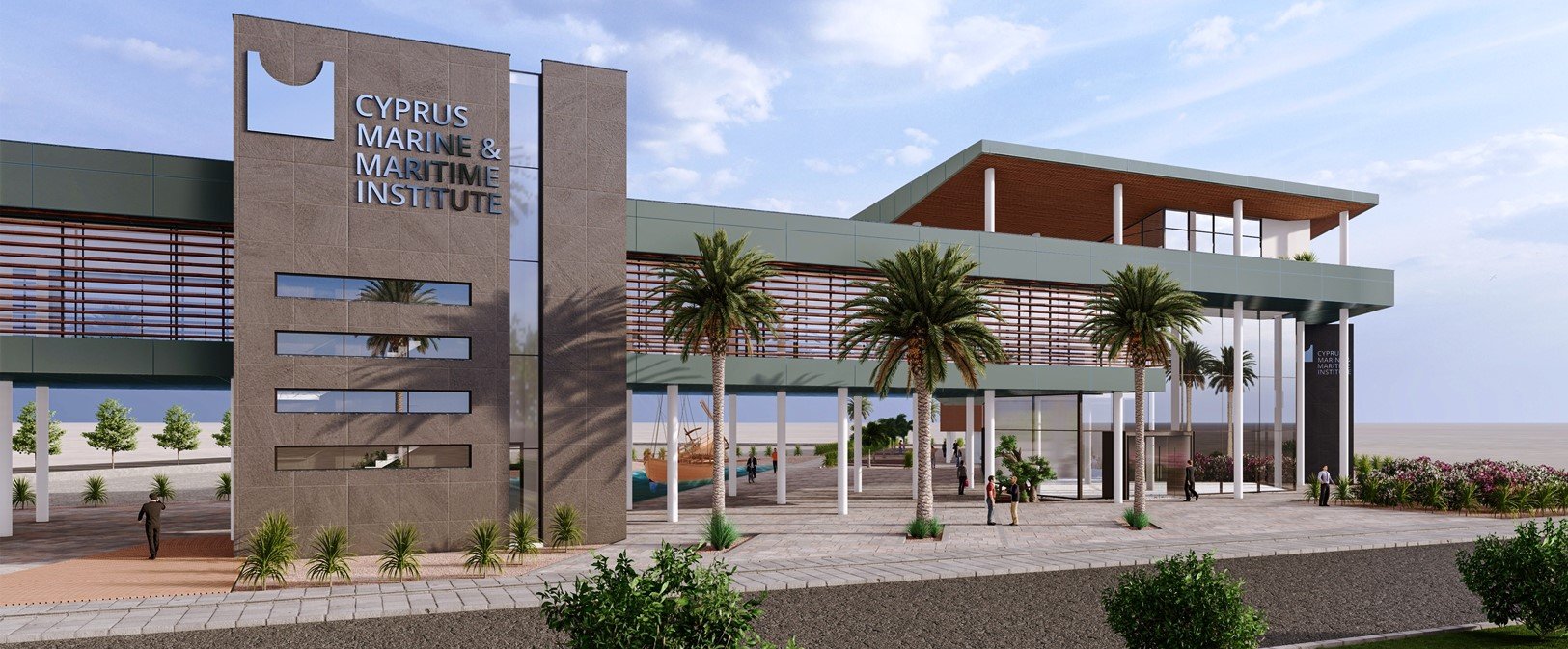
A meeting of the Parliamentary Committee on Education took place in Cyprus. The key topic for discussion was the development of university infrastructure in Larnaca, including the opening of the TEPAK maritime school and the construction of new student housing. The project is considered strategically important for strengthening the city’s position on the educational map of the country and the entire Eastern Mediterranean.
TEPAK Maritime School in Larnaca: timelines and plans
According to the data presented to deputies, the Maritime School of the Cyprus University of Technology (TEPAK) is expected to receive its first students in 2027. By that time, 500 dormitory places for students are planned. The first 150 beds are intended to be commissioned already in the summer of the current year, while the remaining 350 are to be completed by 2027 simultaneously with the launch of the academic process.
However, the issue of timing remains open. Earlier, university rector Panayiotis Zafiris stated that the opening of the school could be postponed to 2028, which caused concern both among deputies and in the business community of Larnaca. Nevertheless, government representatives emphasize that work is progressing, and the city expects to welcome its first students within two years. The maritime school will become part of a broader Cyprus strategy for the development of maritime sciences, sustainable development, and the “blue economy,” which is particularly relevant amid the growing role of the maritime sector in the island’s economy.
 Branches of the National and Kapodistrian University of Athens and new academic projects
Special attention at the meeting was given to plans to open two faculties of the National and Kapodistrian University of Athens in Larnaca. The project was approved by the government in autumn 2025 and will become the first case of opening a branch of a Greek public university in Cyprus.
Nevertheless, MP from the Democratic Rally (DISY) party Prodromos Alambritis expressed doubts that the new faculties would be able to begin operating already in September of the current year. The main issue remains student accommodation and infrastructure readiness.
Similar initiatives in other regions of the country were also discussed. In particular, the idea of creating a veterinary school in Athienou with the support of the University of Thessaly is currently being promoted, which could strengthen the educational and research potential of rural areas.
A new stage for education and the economy of Larnaca
The Cyprus government considers the expansion of university presence in Larnaca an important step toward diversifying the city’s economy, which is traditionally associated with the port and airport. The opening of the maritime school and branches of foreign universities can attract international students, investors, and research projects.
Representatives of the business community note that the development of higher education stimulates the real estate market, creates jobs, and forms an innovation ecosystem around universities. In the long term, Larnaca could become a new educational hub of Cyprus alongside Nicosia and Limassol.
Despite existing questions regarding implementation timelines, the projects of the TEPAK maritime school and the Greek faculties are considered a significant step in transforming the country’s educational landscape and strengthening the international status of Cypriot universities.