
At first glance, a Cypriot electricity bill seems confusing. In addition to the kilowatt-hours themselves, it includes transmission and distribution fees, regulated charges, and taxes. And the total also depends on the rate plan, so the amount isn’t determined by electricity consumption alone.
In this article, we’ll break down what an EAC bill consists of and what electricity rates are available in Cyprus. We’ll also explain how to submit meter readings, pay bills on the website or through the app, and track your usage. And at the end, we’ll share some money-saving tips so your next electricity bill doesn’t come as an unpleasant surprise.
How Electricity Bills Work in Cyprus
Electricity bills in Cyprus aren’t calculated based solely on kilowatt-hours. They include the cost of the electricity itself, transmission and distribution fees, as well as regulated charges and taxes that many people aren’t even aware of. Let’s take a look at how it all adds up and what to look for on your bill.
Who issues the bills and how often are they sent
Electricity to homes in Cyprus is supplied by EAC Cyprus (Electricity Authority of Cyprus), which is the island’s main electricity provider. It also issues bills, reads meters, and collects payments.
Residential bills are issued every two months—that is, six times a year—regardless of whether you’re a homeowner or a renter. You can receive them in paper form by mail or electronically. The EAC also has a mobile app and an online account portal where you can view your consumption history, check your bill, and pay it online immediately. Payment is usually due no later than 20 days after the bill is issued.
In Cyprus, an electricity bill consists of several parts:
Information about the customer and the property, including the account holder’s name, the property address, the account number (Account Number), and the property identification number (Premise ID).
Amount of electricity consumed (kWh).
Tariff category (Tariff).
Energy Cost: the charge for the electricity actually consumed in kWh.
Costs for transmitting electricity via the main grid (Transmission).
Distribution: the charge for delivering electricity to the consumer via local grids.
Other Charges: mandatory charges stipulated by the regulated electricity supply system.
VAT: value-added tax, calculated at the applicable rate.
Total amount due, any outstanding balance from previous periods, and the payment due date.
Understanding Electricity Rates
There are several electricity rates in Cyprus, and they differ not only in price. In some cases, the calculation method varies; in others, the cost of individual components differs. Therefore, when estimating future expenses, consider not only the price per kWh but also additional charges and the terms of special rates.
Cost per kilowatt-hour and rates for residential properties
In Cyprus, the cost of electricity for residential properties depends on the selected rate plan and the amount of consumption. The main ones are:
Tariff 01, which features a flat rate per kilowatt-hour regardless of the time of day. As of November 2026, the base cost of electricity is approximately 0.18 euros per kWh.
Tariff 02, which has separate rates for daytime and nighttime consumption (the nighttime period is from 11:00 PM to 9:00 AM).
The daytime rate is approximately 0.1794 euros per kWh, and the nighttime rate is approximately 0.1786 euros per kWh.
To switch to this tariff, you must contact EAC and submit a request to change your tariff. This requires a meter capable of separately tracking daytime and nighttime consumption.
Tariff 08 is a special discounted rate for certain categories of socially vulnerable consumers.
The price depends on consumption. For the first 1,000 kWh, the rate is approximately 0.18 euros per kWh; for consumption between 1,001 and 2,000 kWh—about 0.20 euros, and for consumption over 2,000 kWh—approximately 0.22 euros per kWh.
Note: Unlike Tariffs 01 and 02, the rates for Tariff 08 already include the cost of electricity and the grid component.
There is also Tariff 56 for thermal energy storage, for example, using special water heaters and storage systems.
It’s also worth noting that fixed fees for meter maintenance and electricity supply are added to the rate. On top of that, there are fuel adjustments, network usage fees, mandatory charges, and VAT. Therefore, the actual price per kilowatt-hour on the bill ends up being higher than the base rate.
How consumption is calculated based on meter readings
In Cyprus, electricity consumption is calculated based on the readings of the meter installed in an apartment or house. To calculate consumption, the EAC takes the difference between the previous and current meter readings: the cost of electricity is calculated based on this volume.
Readings are usually taken every two months. If a reading cannot be taken, the EAC will estimate consumption based on past periods and, once it receives the actual figures, will recalculate the bill. If you have a “smart” meter, you can monitor your usage much more frequently.
Fuel Adjustment and Its Impact on the Total Amount
The rate per kilowatt-hour is only part of the bill in Cyprus. The bill also includes a fuel adjustment charge (Fuel Adjustment Charge), and this amount varies each time. On the island, electricity is mainly generated from liquid fuel, so the price of fuel directly affects your bill.
The calculation is based on a base rate of 300 euros per metric ton. If fuel is more expensive, a surcharge is added to each kilowatt-hour. If it’s cheaper, the charges may decrease slightly. The adjustment is reviewed every month, so even with the same consumption, two consecutive bills may differ.
Additional Fees and Taxes on Your Electricity Bill
In addition to the electricity itself, the EAC bill includes transmission and distribution costs, as well as other regulated charges and taxes. These components make up the total amount due, so a single rate per kWh is not sufficient to calculate the final amount.
Network service fee and fixed charges
On a Cypriot electricity bill, the “Network Usage” fee appears as a separate line item. This money goes toward transmitting electricity from power plants to consumers: specifically, for the maintenance of power lines, substations, and local grids.
The fee is based on consumption, so the more kilowatt-hours you use, the more you pay. As of November 2026, this amounts to approximately 0.0393 euros per kWh.
In addition, EAC charges the following fixed fees for consumption metering and account management:
Meter Data Management (meter data collection and processing)—€0.94 every two months;
Electricity Supply (customer service and billing)—€8.00 every two months.
VAT, environmental fees, and other mandatory charges
In addition to the energy itself and grid services, VAT and several mandatory charges are added to the electricity bill. VAT is charged on the base amount of the electricity bill and additional services. A reduced rate of 5% currently applies to residential customers, but this is temporary: it is valid until March 31, 2027.
Next is the RES & ES Fund environmental fee. It goes to a fund that supports the development of renewable energy (solar, wind, biofuels) and energy conservation. Currently, in November 2026, this amounts to 0.005 euros per kWh.
The bill also includes a small line item for Public Service Obligations (PSO), which covers the subsidized rate for socially vulnerable consumers. Both charges are based on consumption, so the more you use, the more they add to your total.
How to Verify the Accuracy of Your Bill
You can verify the meter readings against the bill yourself: compare what you see on the meter with the figures on the bill from the EAC (Electricity Authority of Cyprus). This way, you can ensure that your consumption has been calculated correctly and the rate has been applied correctly.
Where to find current and previous meter readings
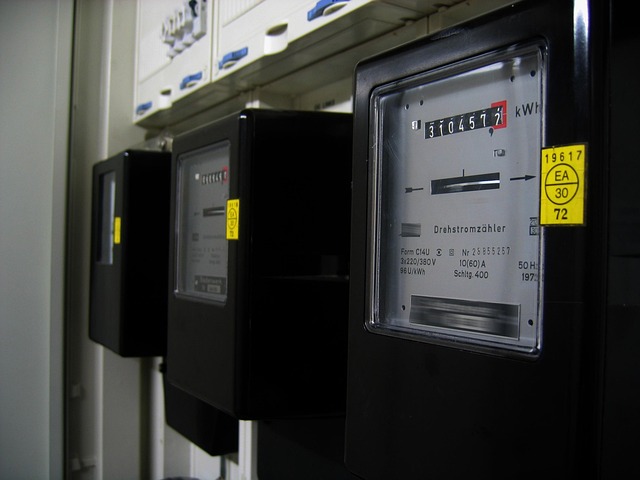
Every EAC bill includes previous and current meter readings (Previous Reading and Current Reading) and the difference between them: this is your consumption in kWh.
You can also view the current readings on the meter itself—specifically, on its display. On digital models, the readings may update automatically. To verify your usage, you’ll need your total electricity consumption, which is usually listed as kWh.
Another option is the EAC customer portal. On the official EAC Supply website, you can register and access your consumption history and bills. There, you can also generate a consumption report for a selected period in PDF or Excel format.
There is also a separate portal for meter readings. EAC Distribution provides access to electricity meter data through the Meter Reading Portal. There, you can view your reading history, including the dates and times the readings were recorded. However, this portal requires a separate registration.
What to Do If You Receive an Unexpectedly High Bill
If your electricity bill is unexpectedly high, don’t panic. First, check your electricity meter readings against the data listed on the bill.
You should also check previous readings and your consumption for the billing period. If you haven’t increased your electricity consumption but your current bill is significantly higher than the previous one, there may have been an error. Keep in mind seasonal factors: in the summer, air conditioning costs can significantly increase consumption.
Also, make sure that EAC used actual readings (Actual Reading) rather than estimated readings (Estimated Reading). And be sure to check the applicable rates, fuel surcharge, network fees, and VAT.
How to Dispute Charges and Contact EAC
If it seems that EAC has calculated your bill incorrectly, you have the right to file a formal complaint and request a review of the charges. Start with EAC itself. Call customer service or submit a request through the official portal and explain exactly where you see a discrepancy.
You can also manage your account and ask questions about service through the same portal. Another option is to file a complaint in writing through your regional EAC office. But first, you’ll need to prepare supporting documentation:
a copy of the disputed electricity bill;
your account number (Account Number);
the meter number;
a photo of the meter showing the current reading;
previous bills for comparison;
a description of the error found and a calculation of the estimated discrepancy.
In your request, ask EAC to verify the meter readings, the accuracy of the consumption calculation, and the applicable rates, and—if an error is found—to issue a credit.
If you do not receive a response, write again. How long you’ll have to wait depends on the issue: according to CERA (Cyprus Energy Regulatory Authority) regulations, a complaint about an electricity bill must be reviewed within 3 business days, a standard inquiry or request within 20 days, and an inspection of the meter itself can take up to 30 days.
If EAC has still not resolved the issue, contact the regulator. You can file a complaint in writing with CERA.
There is a special online form for this purpose, in which you must provide:
personal and contact information;
your account number and electricity meter number;
the date of your initial contact with EAC;
a description of the problem;
attach the initial complaint, any follow-up correspondence, and responses from the EAC, if received.
How to Reduce Electricity Costs in Cyprus
Electricity in Cyprus isn’t cheap, but you can lower your bill by using energy more wisely, choosing energy-efficient appliances, and installing solar panels. Sometimes small changes are all it takes: a couple of new habits, the right rate plan, and paying attention to how much you’re using.
Using Air Conditioners and Water Heaters Efficiently
If you’re just choosing an air conditioner, go for an inverter model. It adjusts the compressor’s power based on how much cooling is needed and runs for long periods at low speeds, rather than constantly turning on and off at full power. Also check the energy efficiency class and the SEER rating: the higher it is, the better the unit cools while using the same amount of electricity.
Choose the cooling mode instead of the automatic switch between cooling and heating. Turn on Eco mode if available—it helps reduce energy consumption. Don’t leave windows and doors open—warm air from outside forces the unit to work harder than necessary.
Close the blinds and curtains during the day to keep the rooms from heating up in the sun. And be sure to clean the filters. This is even more important than anything else: dirty filters reduce air circulation, increase energy consumption, and can eventually cause the compressor to fail.
Use a timer to save energy. For example, you can set the air conditioner to turn off at night or before you leave the house. And cool only the rooms you’re using.
Water heaters also use a lot of electricity. In Cyprus, most homes have solar water heaters: collectors and a tank on the roof. On sunny days, the water heats up with almost no electricity. But on cloudy days, in the winter, or when a lot of hot water is used, the electric heating kicks in.
To avoid overpaying, set a timer: it will automatically turn off the electric heating after a set time, so it won’t run unnecessarily. Also check the insulation on the tank and pipes. Good insulation retains heat longer, so you won’t have to reheat the water. Keep an eye on the collectors as well—if they’re dirty, malfunctioning, or haven’t been maintained in a long time, the system won’t heat as efficiently.
And finally, buy a water-saving showerhead: you’ll use less hot water, which means your bills will go down.
Energy-Efficient Appliances and Consumption Habits
Air conditioners and water heaters aren’t the only sources of electricity consumption. Refrigerators, washing machines, dryers, dishwashers, and ovens also use energy. Each appliance uses only a small amount of energy on its own, but when used daily, the total adds up to a significant amount. There are two ways to reduce this: choose energy-efficient appliances when shopping and use the ones you already have at home wisely.
In EU countries, appliances have a standardized energy efficiency label. For most major categories, the scale ranges from A (the most energy-efficient models) to G (the least efficient). But don’t just look at the letter: the label also lists the actual electricity consumption, which tells you more.
But even good appliances can consume a lot of energy if used incorrectly. A few simple habits can help with your refrigerator and freezer. For starters, don’t place them next to the oven or stove, and don’t leave them in direct sunlight.
It’s best not to put hot items inside—let them cool down first. Also, don’t keep the door open longer than necessary, and check the door seals to make sure the cold air doesn’t escape. Set the temperature in the refrigerator to +4 °C and in the freezer to about −18 °C. And don’t forget to defrost the freezer when ice builds up inside.
When using the washing machine, wash at +30 °C or use cold water if the fabric type allows it. Run the machine only when it’s fully loaded, without exceeding the maximum load capacity.
Use energy-efficient “Eco” cycles. They may take longer, but they generally use less electricity and water. Don’t run a load just for a few items—it’s better to wait until you have a full load.
There are other habits that may seem trivial, but when repeated regularly, they also have a noticeable impact on your bill. So, to save on electricity, always turn off the lights in empty rooms, and replace regular light bulbs with LEDs: they use significantly less energy and last longer. Boil only as much water as you need in the kettle.
Unplug devices you’re not using, since TVs, computers, set-top boxes, and chargers continue to draw power even in standby mode. Individually, these savings may seem small, but together they help reduce consumption and lower your bill.
Solar Panels and Affordable Energy-Saving Programs
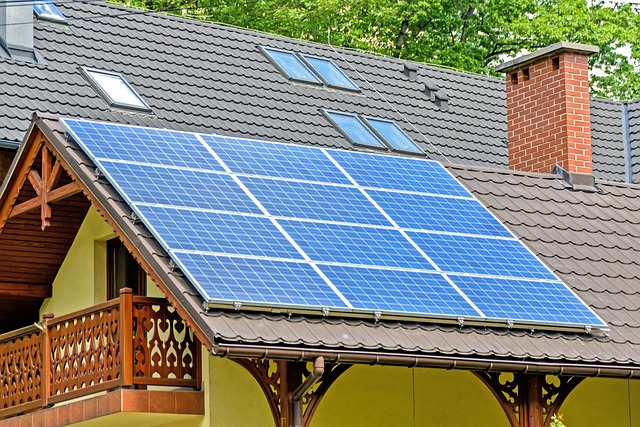
Cyprus has more than 300 sunny days a year, and it would be foolish not to take advantage of this. That’s why solar panels are so popular here: they generate their own energy and make you less dependent on the EAC grid. There are two billing systems on the island:
Net Metering. It’s simple: the electricity your panels generate is subtracted from what you draw from the grid. If your home produces more than it consumes at any given moment, the surplus flows into the grid and is later credited to your account. The accumulated credit can be carried over from one billing period to another, but only within a three-year cycle. Any credit you haven’t used by the end of the cycle is lost: it cannot be carried over further, and you won’t be paid for it either.
Net Billing. In this system, generation and consumption are calculated separately. The electricity that your panels generate and you use directly at home is not billed as if it were purchased from the grid. Surplus electricity is fed into the general grid, and you pay for the electricity you draw from the grid at your standard rate.
In Cyprus, the installation of solar panels is supported by the Renewable Energy Sources and Energy Conservation Fund (RES and Energy Conservation Fund). Program terms vary, so be sure to consider not only the subsidy amount but also application deadlines, housing requirements, and whether applications are currently being accepted.
Applications for the Save – Upgrade Homes 2026 program are no longer being accepted, but the government regularly launches new ones. Check government websites and read the news so you don’t miss the next one.
If you rent your home, you’ll usually need to get approval from the owner. So, before installation, find out who owns the roof, who is eligible to apply for the subsidy, and in whose name the contract with EAC is registered.

Paying Bills and Tracking Expenses
In Cyprus, consumers can pay their electricity bills in several ways: online, via a mobile app, through banking services, by automatic debit, or in person at EAC service centers.
Online Payments, Bank Transfers, and Automatic Debits
The most convenient way to submit meter readings and pay your electricity bill is to use the online services of the Electricity Authority of Cyprus (EAC). You can do this through either the official EAC website or the free mobile app.
Usually, EAC employees take the meter readings themselves. However, if an EAC employee is unable to do so for any reason, the EAC allows you to submit your own meter readings. You can do this either through the website or the app. To submit your meter readings via the EAC website:
1. Go to the official EAC website.
2. Find the “Meter Reading” section under the “Distribution” subsection.
3. Open the instructions or the available meter reading submission service.
4. Follow the instructions provided to identify the meter and submit the data.
5. If the system prompts you to submit a photo of the meter, attach a clear image of the display.
The EAC mobile app also includes a “Submit Meter Reading” feature. You can find it in the “Distribution” section. Then simply follow the app’s instructions to select your meter and submit the reading. Take a photo of your electricity meter so that the reading is clearly visible, and submit the photo through the app. Save the submission confirmation if one appears.
You can pay your bill through the EAC Mobile App in the “Supply” section. To do this, open the EAC Mobile App. Select the “Supply” section and log in with your account. Then go to the “Bills” section and select the bill you want to pay.
Tap “Pay” or “Pay Now,” follow the payment system’s instructions, and enter your credit card information. Confirm the payment and save the electronic receipt.
To pay via the website, open the EAC Portal and log in to your account. Add or select your EAC Supply account. Open the Bill Payment section or the list of bills. Then select the bill you want to pay. Proceed to payment, enter your credit card information, and confirm the transaction.
When paying through the EAC website, you’ll usually need to enter the account number or payment reference (Payment Reference) listed on the payment document.
Another option is to pay bills through the online banking services of Cypriot banks. You can do this in the “Bill Payments / Utilities” section by entering the account number or payment reference and confirming the transaction. EAC also supports payments via JCC and bank websites.
If you don’t want to pay your bill manually every time, you can set up automatic payments. EAC offers automatic debits from your bank account via SEPA Direct Debit: this is a direct debit in euros. You set up the authorization once, and from then on, EAC automatically debits the amount of each invoice. You don’t have to pay anything yourself, and you won’t miss a payment deadline.
How to Track Usage and Plan Expenses Throughout the Year
In Cyprus, electricity bills vary significantly depending on the season. Therefore, it’s not enough to simply pay on time: monitor your consumption in kilowatt-hours (kWh), compare different periods, and factor seasonal fluctuations into your budget in advance.
The most convenient way to monitor your expenses is through your EAC Supply account or the EAC Mobile App.
With these tools, you can:
view current and past electricity bills;
check your electricity usage history;
compare usage figures for different billing periods;
receive bills electronically;
use the household appliance energy consumption calculator.
The Consumption History Statement feature is particularly useful. It allows you to generate a consumption report for a selected period and export it in PDF or Excel format.
You can also view meter data online on the DSO Meter Data Management System Portal. There, you’ll find a history of electricity consumption and generation; you can select the desired period and view the data as a graph or a table.
When analyzing your expenses, don’t confuse two things: how much electricity you used (kWh) and how much it costs, taking into account the rate and all surcharges. Two bills can differ significantly in amount, even if your consumption was nearly the same. For example, fuel prices may have risen or the grid fee may have changed during that time.
If your bills are significantly higher in the summer and winter, you can use the EAC Monthly Installment Plan. It allows you to spread your annual electricity costs over 12 equal monthly payments. The EAC calculates the amount itself based on your consumption history, current rates, and the price of fuel. This option is suitable for most residential customers, but not for those with Net Metering or Net Billing. Details are available on the EAC website.

It’s quite easy to monitor your electricity costs in Cyprus and pay your bills, especially if you use the EAC’s official website or mobile app.
Although electricity rates in Cyprus may fluctuate, there are many ways to reduce your costs. The island’s sunny climate, the use of solar water heaters and panels, and government energy efficiency support programs all help in this regard.
If you’d like to move right into an energy-efficient building, consider apartments in modern residential complexes. Our catalog features properties with an energy efficiency rating of A—the highest in Cyprus’s building certification system.