
For many, Cyprus is associated with sun, sea, and ancient legends, but behind this familiar image lies a much deeper and more significant history. The beautiful island became known to the world long before tourist routes appeared. First and foremost, its name is connected with a metal that defined the development of entire eras. Copper made Cyprus not just a geographical point on the map, but one of the most important centers of the ancient world, from which trade routes began.
The history of the island is the history of a land that spent millions of years preparing its greatest gift. And when humans learned to find and use it, Cyprus found itself at the center of events that changed the course of civilization.
How Cyprus entered history
There is an interesting puzzle connected with the origin of the island’s name. Some believe that the word “Cyprus” came from the Latin name for copper — cuprum. However, historians tend toward the opposite version. In the Roman era, copper was called “Aes Cyprium,” which meant “metal from Cyprus.” Over time, this expression was shortened to “cyprium,” and then transformed into “cuprum.”
Thus, the island did not simply mine copper — it became its symbol. This is a rare case when geography influenced language and remained fixed in it for centuries. Thanks to its rich deposits, Cyprus occupied a special place in the economy of the ancient world, and its name became part of scientific and cultural tradition.
The origins of Cypriot copper go back to the distant past, when the ancient Tethys Ocean existed where the island now stands. Powerful volcanic processes took place underwater, forming ore deposits. A special role was played by the so-called “black smokers” — underwater vents through which mineral-rich flows were released into the ocean.
Over time, these substances settled on the seabed, forming rich metal deposits. Millions of years later, when the Troodos mountain massif rose above the surface, these deposits became accessible. It was then that nature “opened” access to its treasures for the Cypriots. These processes made Cyprus unique from a geological point of view. The island became a true storehouse of natural resources, which later determined its fate.
Ancient miners and the secret of the “red caps”
The first traces of copper mining in Cyprus date back to the fourth millennium BC. The people of that time possessed astonishing powers of observation. They found deposits by the characteristic colors of the soil — red, yellow, and orange shades that appeared because of metal oxidation.
These areas were called gossans, or “red caps.” They served as landmarks for ancient miners. Wherever ore reached the surface, mining began.
The Cypriots quickly mastered not only extraction, but also metal processing. Their methods made it possible to obtain high-quality copper, while production waste contained only a minimal amount of useful raw material. This speaks to the high level of knowledge and skill possessed by ancient craftsmen.
The golden age of copper: Cyprus as a trade center
The true flourishing of copper mining in Cyprus came in ancient times. The island became one of the main suppliers of metal to the countries of the Mediterranean. Its advantageous location contributed to the development of trade, while rich deposits ensured stable supplies.
Copper was transported in the form of massive ingots resembling the shape of an oxhide. Such ingots weighed dozens of kilograms and were easily transported by sea. They are found at archaeological sites throughout the region, confirming the scale of the trade.
During this period, Cyprus became an important part of international connections. Its metal was used to create weapons, tools, and household items. In fact, the island provided the technological foundation for the development of many civilizations. However, consequences were hidden behind this success as well. Smelting copper required enormous amounts of wood, which led to deforestation in Troodos. Thus, already in ancient times humans began to actively change the natural landscape.
After the fall of the Roman Empire, the importance of Cypriot copper gradually declined. Mining continued, but no longer on the same scale. Only in the 19th century did interest in mineral resources revive, although the focus shifted to the extraction of other resources.
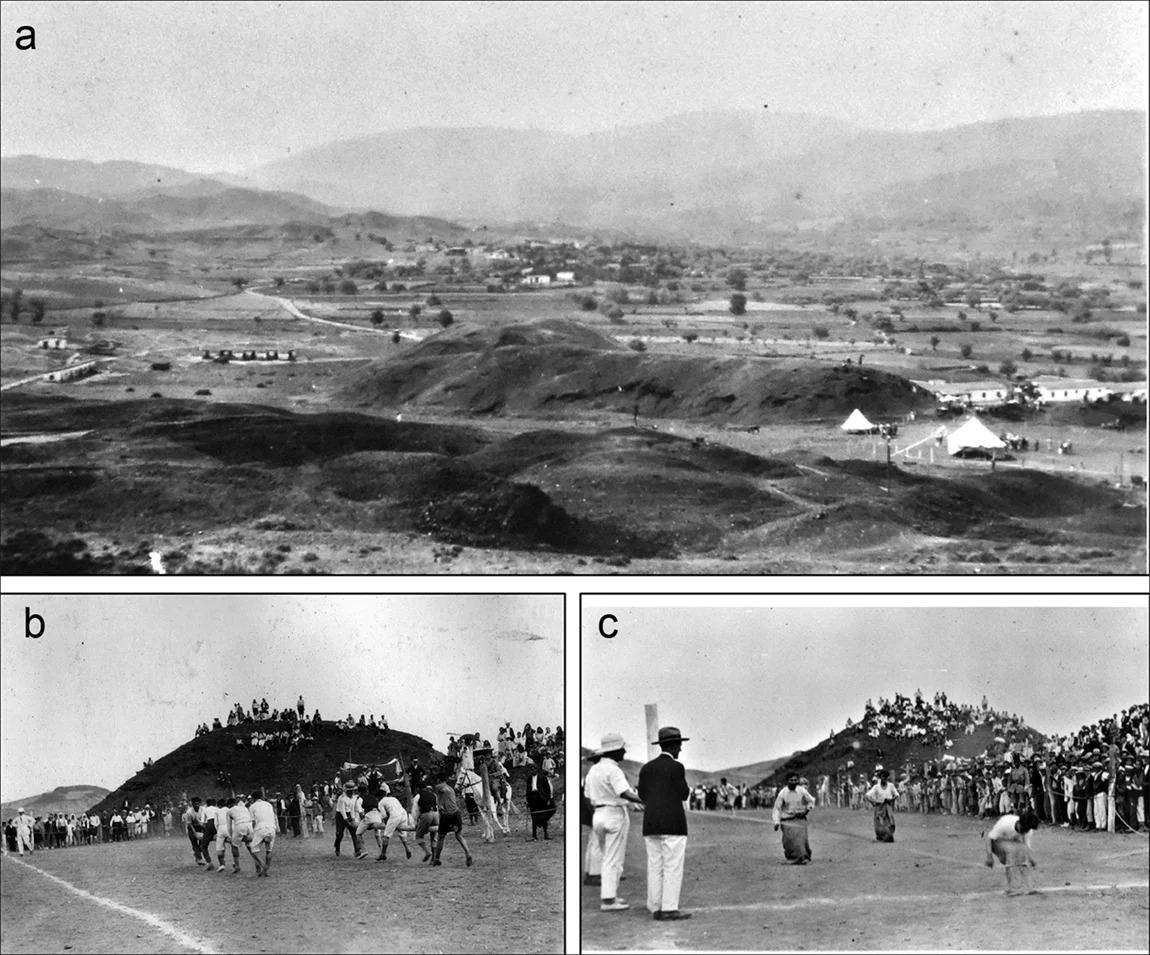
A new stage began in the 20th century, when active development of deposits resumed in the Skouriotissa area. This mine became a symbol of continuity — extraction had been carried out here for thousands of years. Despite economic and political difficulties, including falling copper prices and the division of the island, mining continued. Today, Skouriotissa remains the only active copper mine in Cyprus and one of the oldest in the world.
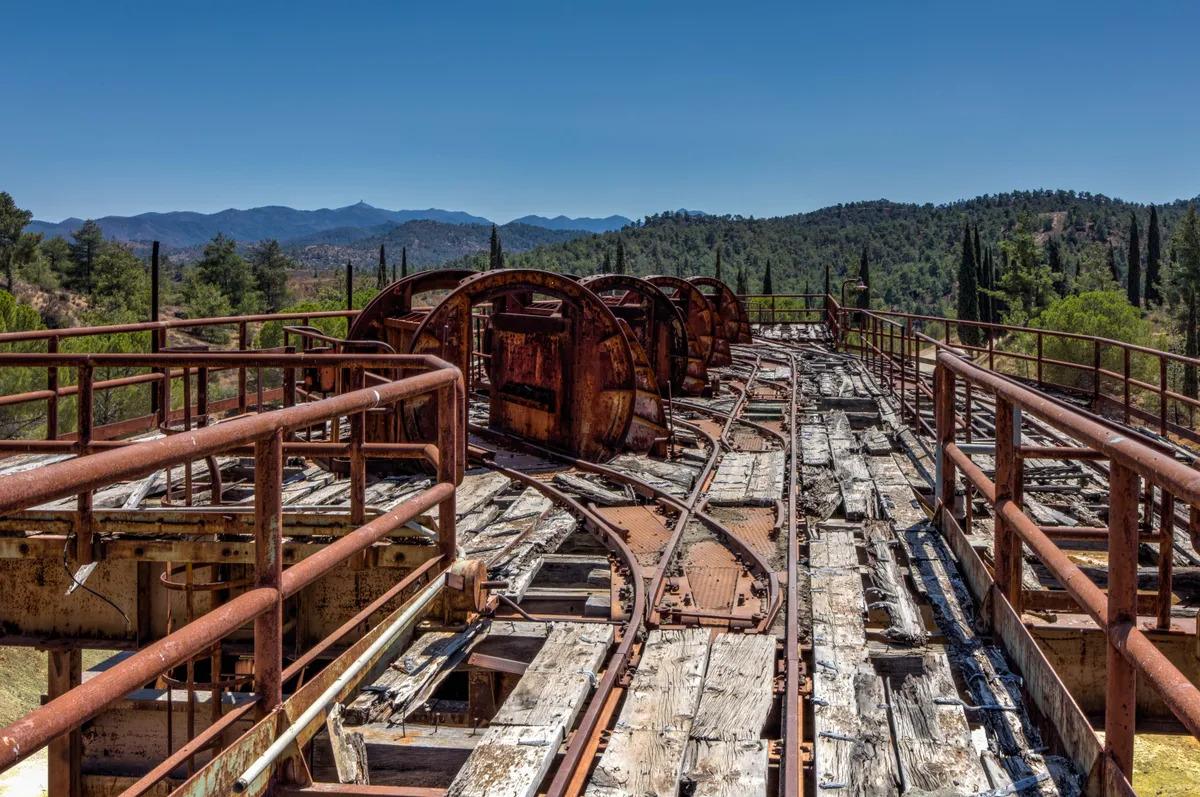
The main copper mines of Cyprus: from antiquity to the present day
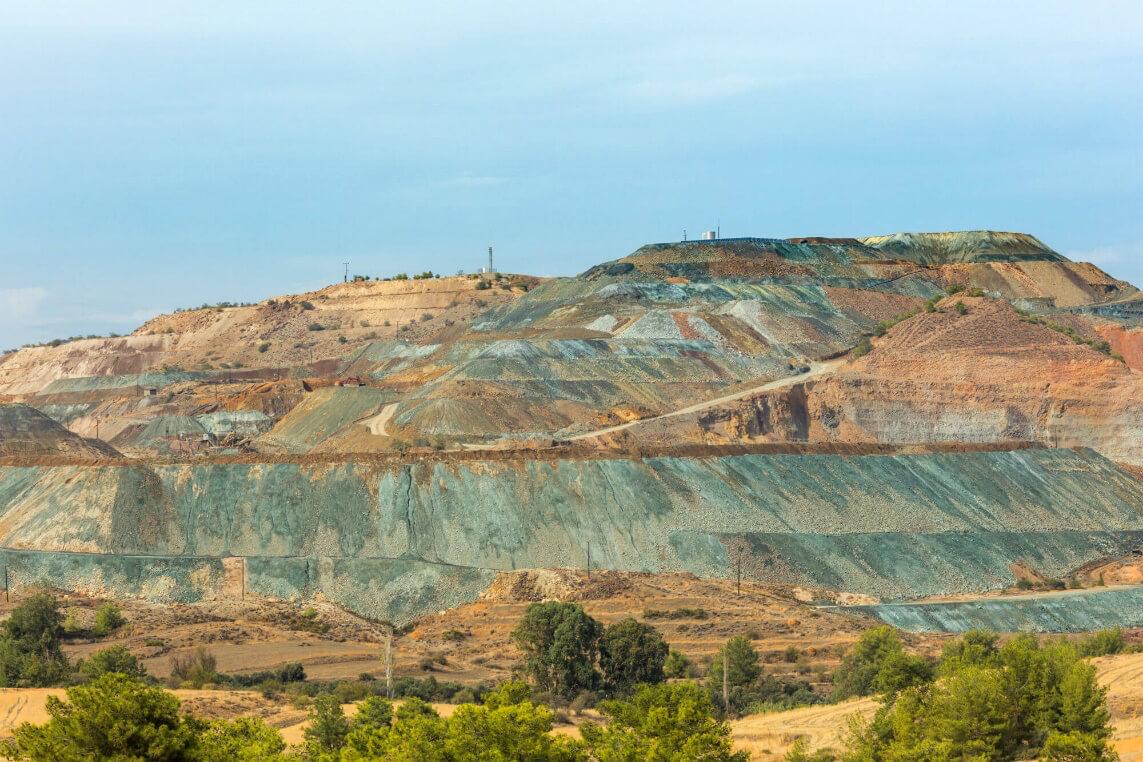
The island’s copper mines are not just industrial sites, but living witnesses to a history spanning millennia, in which nature, human labor, and time are intertwined. The most famous and significant is Skouriotissa. This is the only active copper mine on the island, which has operated intermittently for about four and a half thousand years. Here you can see how ancient mining traditions coexist with modern technologies. Today, both open pits and underground workings are used, as well as the heap leaching method, which makes it possible to obtain pure copper with high efficiency.
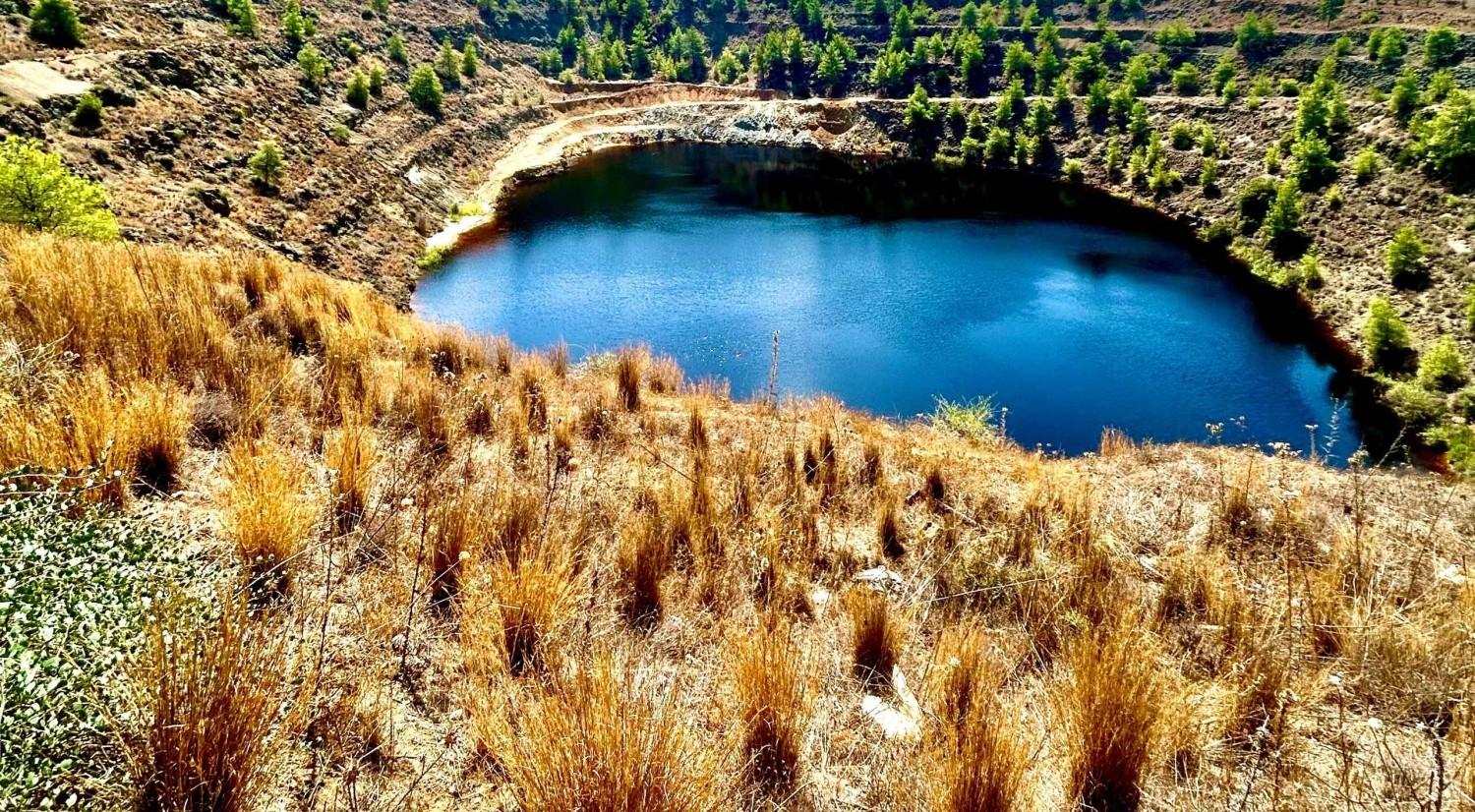
The Mathiatis deposit has a completely different character. This quarry has long been abandoned, but it is here that the famous Red Lake is located. Its rich color is created by the high concentration of minerals left behind after mining. The landscape looks almost unreal, like a frame from another planet, and attracts travelers with its unusual beauty.
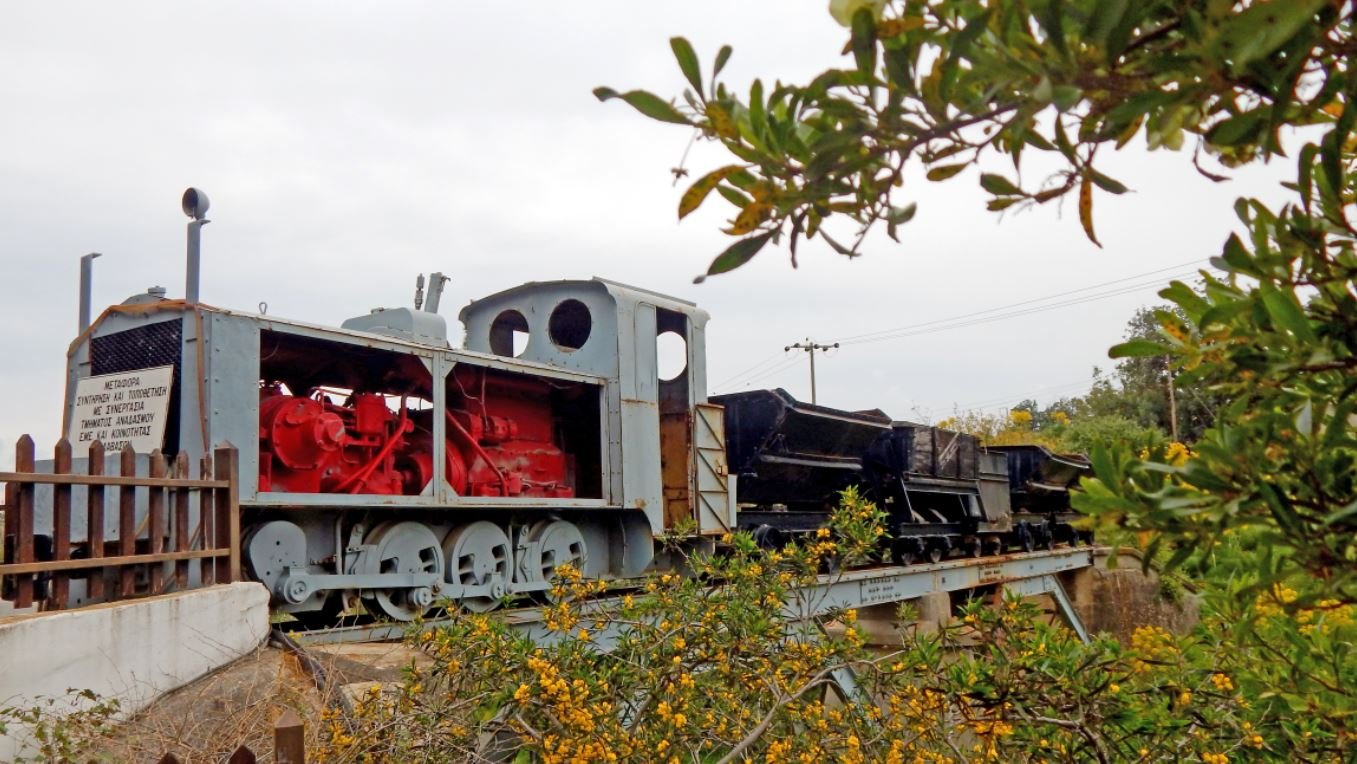
Kalavasos is already a page of more recent history. In the middle of the 20th century, copper was actively mined here, and today the area has turned into a kind of open-air museum. Old rails, mine carts, and remnants of equipment create the atmosphere of the industrial past and allow one to imagine how bustling the work was only a few decades ago.
The area of Mitsero makes a particularly strong impression. It is home to the famous “colored” lakes, striking in shades ranging from deep red to emerald green. These bodies of water formed on the sites of old mines and shafts, and today they look like fantastic landscapes unlike anything else.
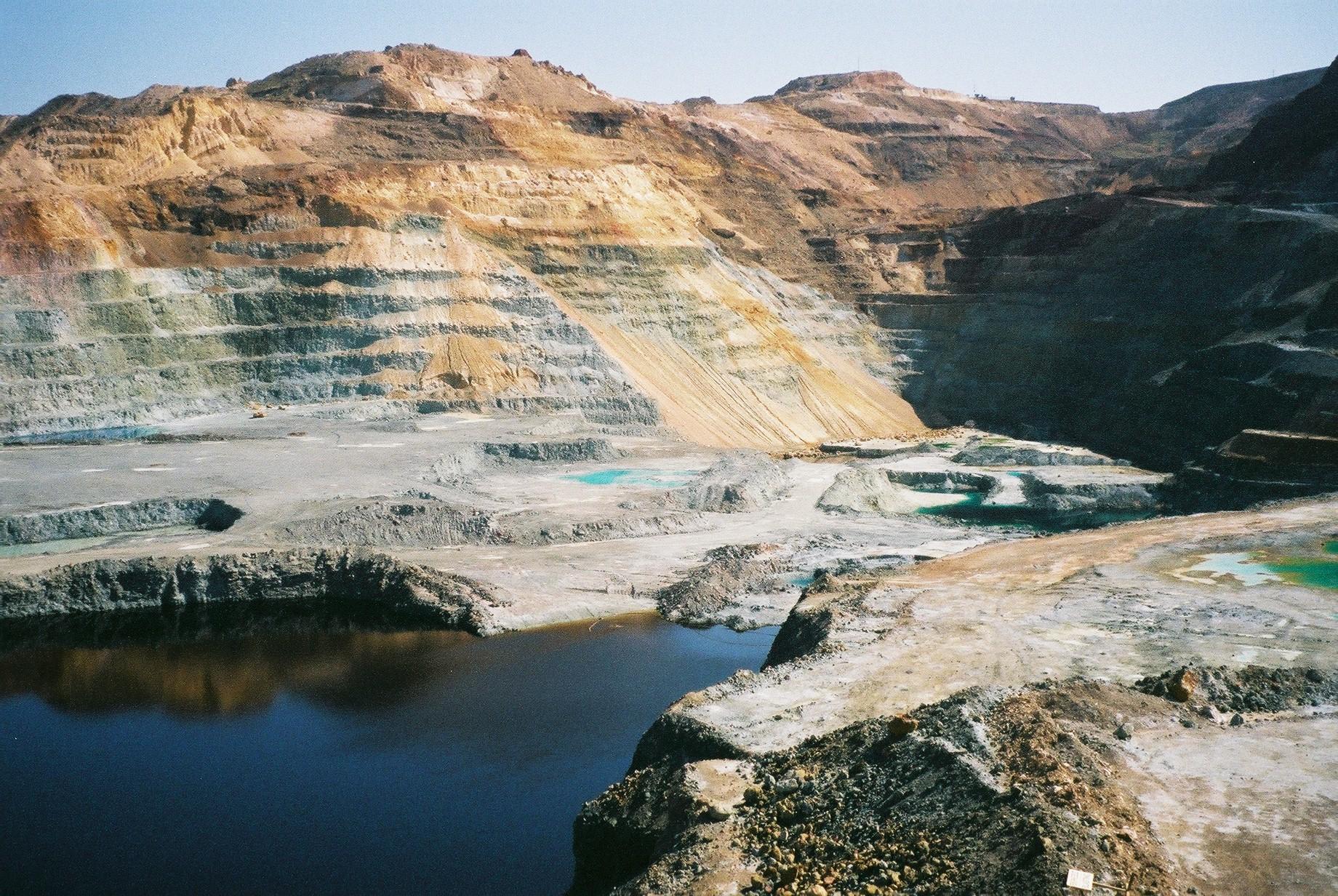
The history of Cyprus is the history of copper. This metal made the island famous, ensured its economic development, and connected it with the great civilizations of the past. Traveling around Cyprus, you can see traces of this era. In the color of the earth, in old mines, and in modern projects, the dialogue between past and present continues.
Copper did not simply change the history of the island — it became its foundation. And that is precisely why Cyprus remains a unique place, where natural wealth was transformed into cultural heritage, and ancient history continues to live in every landscape.
Read also:
- Padel or tennis in Cyprus: which sport should you choose?
- TOP 10 new buildings in Limassol to be completed in 2026
- Kyperounta Sanatorium: a forgotten gem of Cyprus’s colonial architecture
- Giving birth in Cyprus. Cost and citizenship registration in 2026
- Does Amazon deliver goods to Cyprus? A detailed guide for 2026