
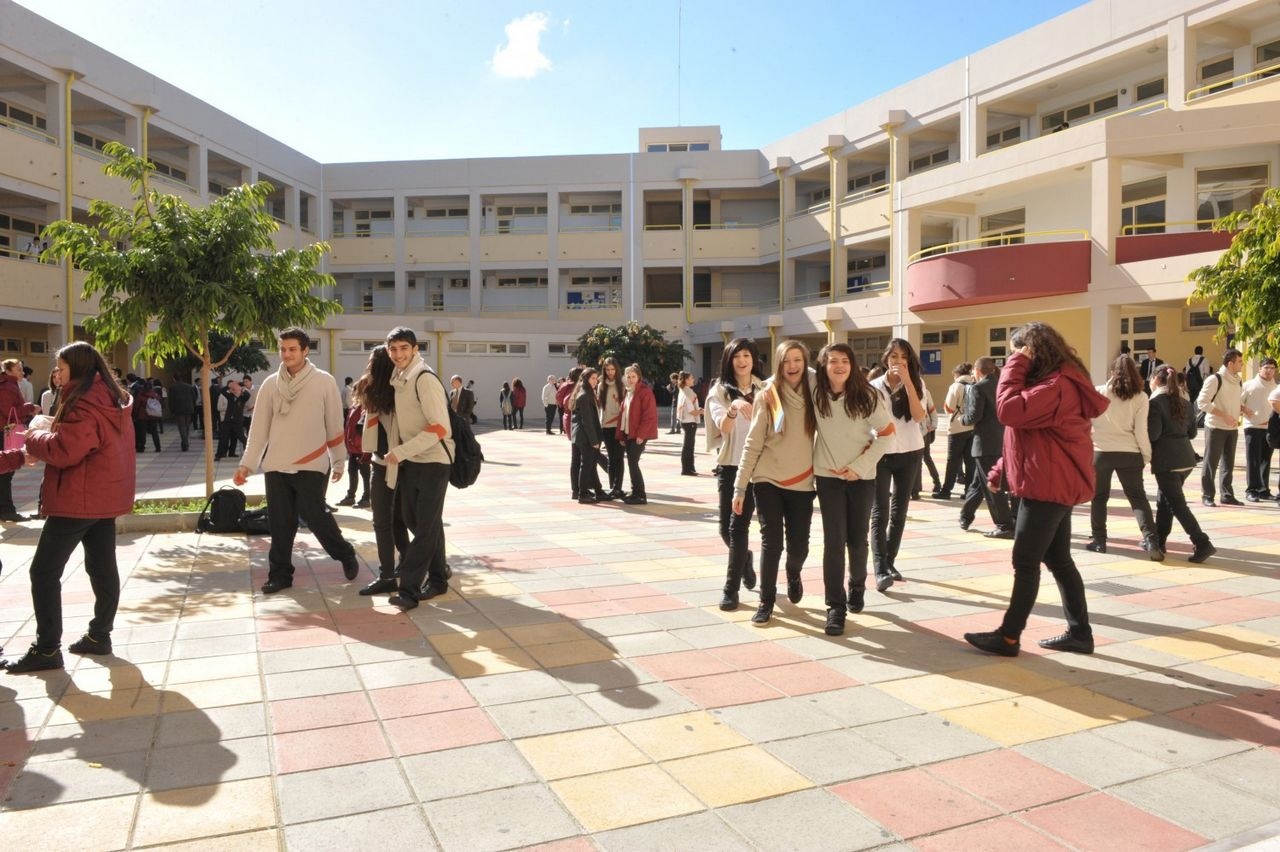
For some families, preparing for school in Cyprus begins long before the start of the academic year. Others, on the contrary, leave their shopping until the very last moment. To avoid unnecessary stress and last-minute rushing, we have put together a detailed guide. It covers everything worth knowing before the school year begins: which stationery items you may need, where to buy school uniforms, how many sets to prepare, and how to organise meals, transport and extracurricular activities.
What to prepare before the start of the school year
In Cyprus, back-to-school preparation begins with the list of required items provided by each educational institution. Therefore, what you need to prepare and how largely depends on which school in Cyprus your child will attend — private or public — as well as on the child’s age.
School list and essential purchases
Public schools take some of the burden off parents — the Ministry of Education in Cyprus purchases textbooks, notebooks and stationery in advance for the new school year. So the first step is to make sure all admission documents and forms are complete and in order. After that come the uniform, shoes, PE clothes, school bag, basic stationery, lunch box and anything else included on the school’s list. In private and international schools, the list is usually much longer and more detailed. Some schools, for example, publish separate detailed “equipment lists” for each year group.
What is better not to buy in advance
Whether your child is going to a private school in Cyprus or a public one, it is better not to buy too many things in advance and instead wait for the school’s list, which may be quite detailed. To avoid wasting money and time, here are the purchases it is better to postpone:
1. Textbooks and workbooks
It is better not to buy them independently until the school specifies exactly which ones are needed. In public schools, some learning materials are provided by the school or the Ministry of Education in Cyprus, while private schools may use their own textbooks and programmes.
2. Specialised stationery
Do not rush to buy special folders, plastic sleeves and dividers, art materials, markers, or specific pens and pencils — if they are required, the school will usually provide exact specifications. Stationery formats can also vary significantly in Cyprus.
3. A full set of school uniform
First find out exactly which items are part of the uniform, which colours are allowed and where it should be purchased. It is also better not to buy several identical sets before classes begin.
4. PE uniform and sports shoes
It is better to check the school’s requirements first. In private schools, PE uniforms can differ significantly from ordinary sportswear.
5. An expensive school bag
You can buy a school bag, but it is better to first find out how many items your child will actually need to carry. For younger pupils, a small lightweight backpack may sometimes be more practical than a large school bag.
6. Tablet or laptop
Do not buy a device “just in case”. If one is required, the school will usually specify what type of device is needed and what specifications it should have.
School uniform and shoes
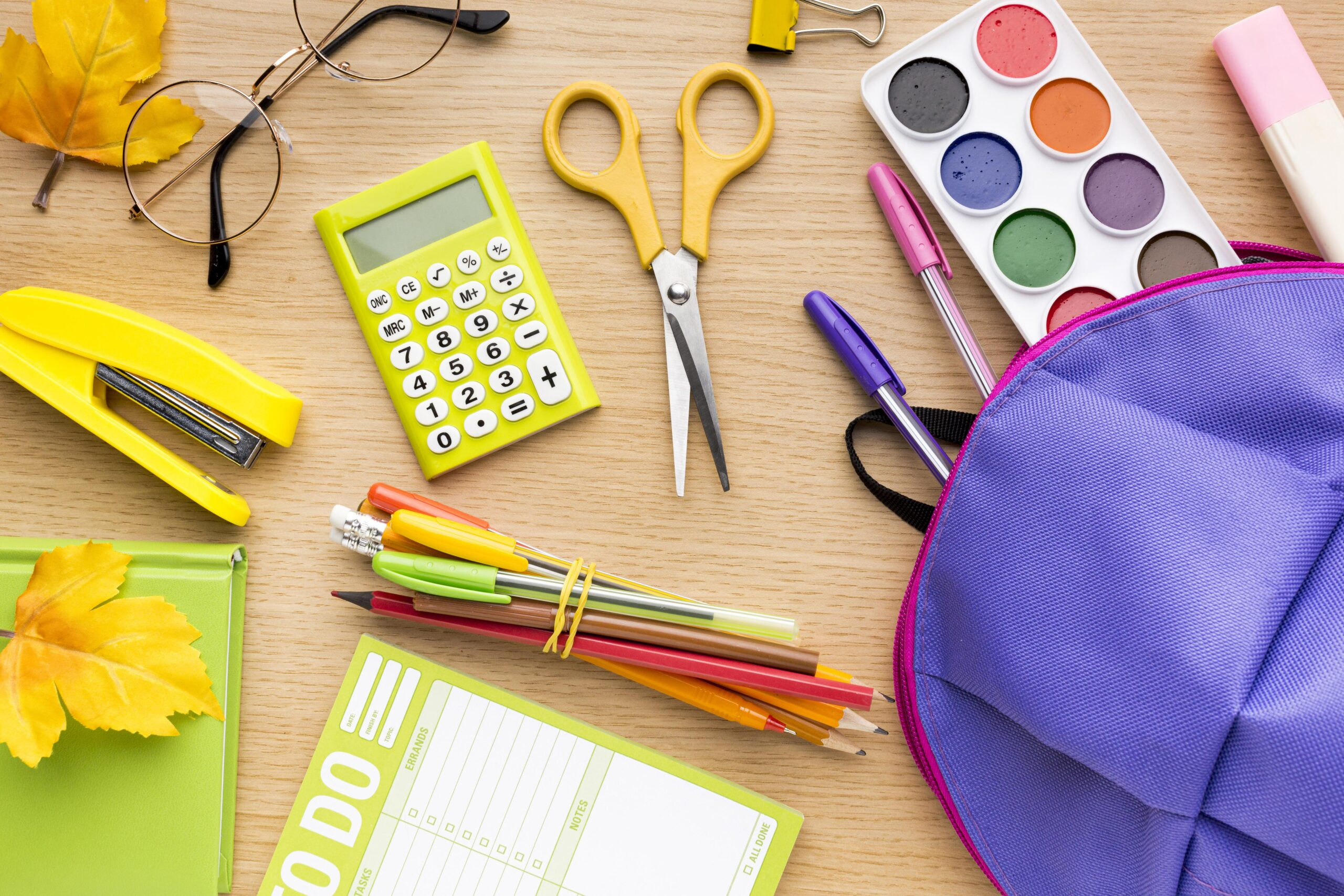
In public primary schools in Cyprus, the uniform is determined by the individual school together with the parents’ association, so there is no single standard uniform for all schools. The Ministry of Education in Cyprus sets the relevant guidelines. Private schools, meanwhile, usually have their own school uniform, which serves as a distinctive feature of each institution.
Uniform requirements in Cyprus schools
In public primary schools, pupils are required to wear a school uniform, but its exact form is determined by the school together with the parents’ association. Therefore, the colour, design, presence of a logo and individual items may vary. A typical school uniform in Cyprus may include:
- a school shirt or polo shirt;
- trousers, shorts or a skirt;
- a jumper, cardigan or other outerwear;
- PE kit;
- suitable closed shoes;
- sometimes a jacket or other outerwear with the school logo.
Private and international schools may have even stricter requirements. Each private school usually has its own colours and uniform styles, including rules regarding outerwear, shoes, socks and other details. Some schools require special uniforms for different events. Certain private schools also require school and PE uniforms to be purchased from a specific supplier or through the school shop.
Where to buy uniforms and how many sets you need
As for the style of school uniforms in Cyprus, public schools generally do not have strict universal standards: each institution decides what pupils may wear within the Ministry of Education’s rules. In some public schools in Cyprus, a branded school uniform is not required at all, and the school simply asks pupils to wear plain shirts, trousers, skirts or shorts — these are easy to find in ordinary children’s clothing shops. Before the start of the school year, such clothes also usually appear in supermarkets.
However, some schools may still require a specific school uniform. Therefore, you should first obtain the requirements of your particular school. If a dedicated school uniform is needed, there are specialised uniform shops in Cyprus.
In Nicosia:
In Limassol:
There are also shops and suppliers that provide uniforms across the island. For middle-school pupils, 2–3 sets of everyday uniform are usually enough, including:
- 2 pairs of trousers, skirts or shorts;
- 3 polo shirts;
- 1–2 jumpers or other items of outerwear.
For PE, 2 sets of sports uniform are usually enough. This is especially convenient if PE lessons take place several times a week: one set can be washed while the child uses the other. As for shoes, two pairs are generally sufficient: one for school and one pair of sports shoes for PE.
If your child is still young, it is advisable to buy one additional spare set of clothes so that they can change at school if necessary. In some schools, having a spare set is compulsory for primary-school pupils.
Stationery, textbooks and technology
Preparing for school in Cyprus is not only about buying stationery and textbooks, but sometimes also laptops and tablets needed for studying. Let us look at what is worth buying in advance and what is better left until later.
Basic stationery set
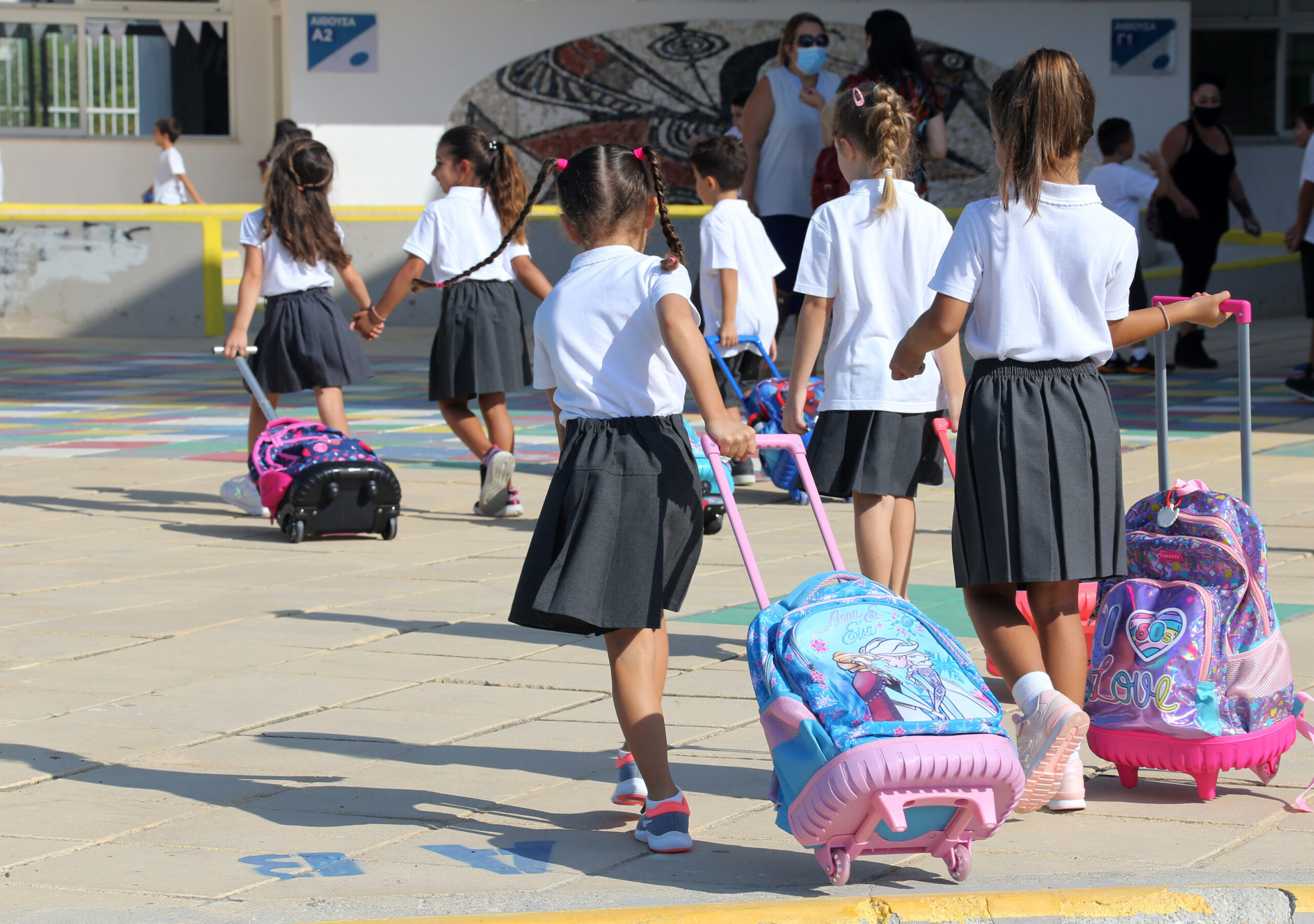
For public schools, there is no need to buy a huge amount of stationery in advance. It is best to start with a basic set of the most commonly used school supplies in Cyprus:
- pencil case;
- pencils;
- eraser;
- pencil sharpener;
- ruler;
- pens;
- coloured pencils;
- felt-tip pens;
- glue;
- scissors with rounded tips;
- several document folders.
However, not all stationery may be suitable for private schools, which can have more specific requirements, so it is better to check in advance.
Textbooks, tablets and laptops
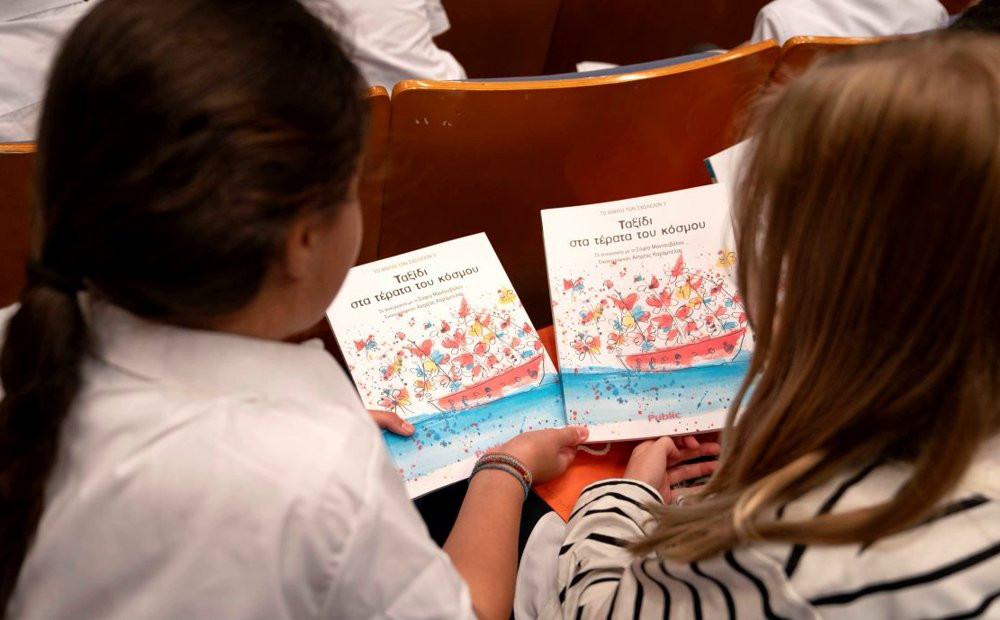
As already mentioned, public schools usually order the necessary textbooks themselves. With private schools, things are less straightforward — they may use their own materials, international textbooks, workbooks, digital platforms or a combination of printed and electronic resources. It is therefore better not to guess and simply wait for the official list from your child’s school: some schools order textbooks themselves, while others give parents a list and require them to buy the books independently.
As for tablets or laptops, there is no need to rush out and buy one simply because your child is starting school in Cyprus. First find out whether a device is actually required and which specifications are important. Cyprus also has a government subsidy programme covering tablets for pupils in the 3rd year of primary school (Γ΄ Δημοτικού) and laptops for pupils in the 2nd year of gymnasium (Β΄ Γυμνασίου). So it is worth checking first whether this subsidy is available during the current school year.
Extracurricular activities after school in Cyprus
Both public and private schools offer several options for activities after regular lessons. Let us take a closer look at what they include and how they differ.
Sports, languages and creative activities
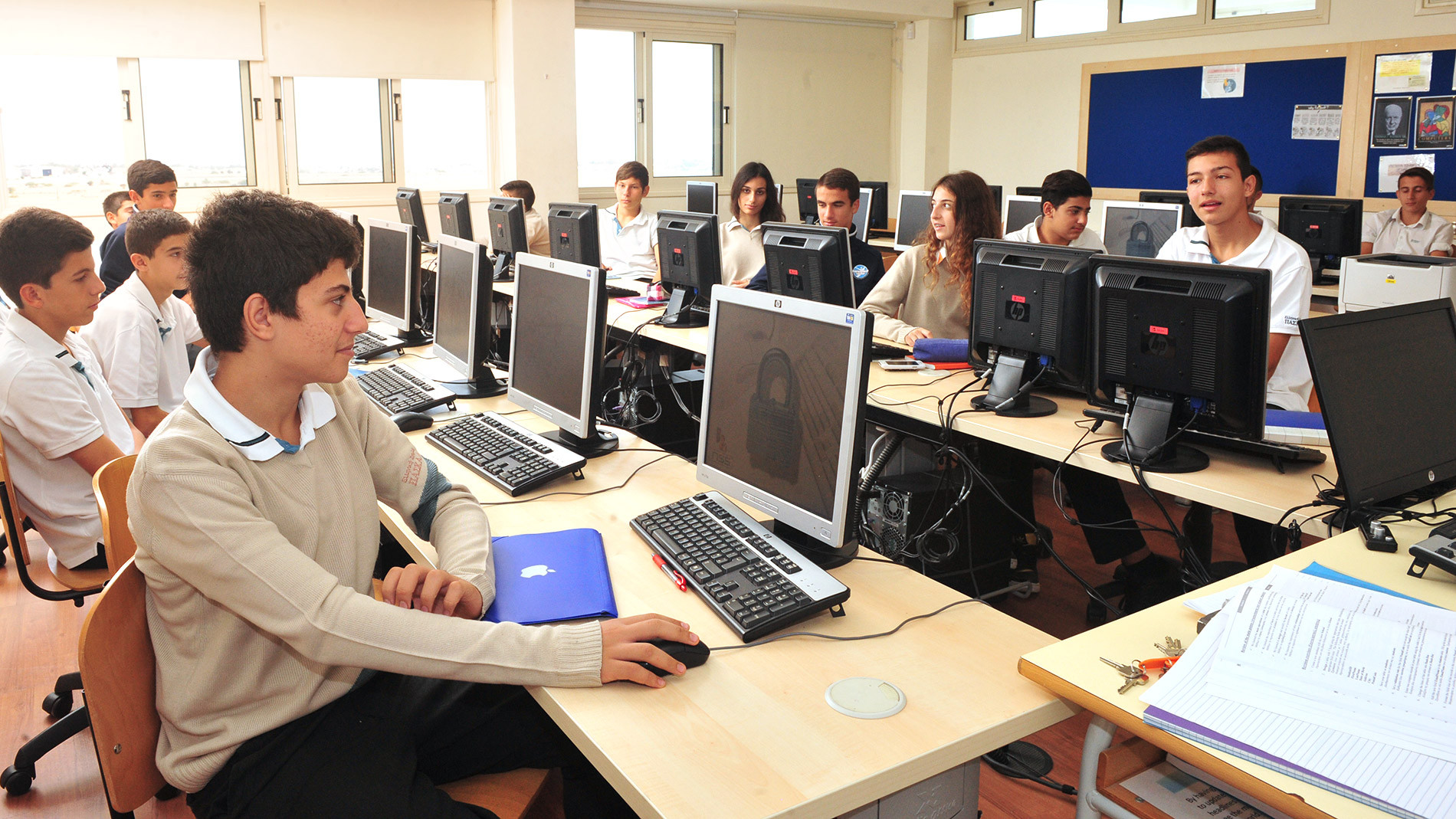
Public schools have what is known as the “All-Day School” (ολοήμερο σχολείο) — essentially an extended school day where children stay after regular lessons until around 15:00–16:00. This usually includes homework, additional academic support, English, IT, music, PE, art, design and technology, and in some schools the programme is even broader.
If you want something more, you can always enrol your child in private sports clubs or language classes nearby — these will simply be paid separately.
Private schools work differently: they have their own after-school programmes, and the choice is usually much wider — sports, dance, music, art, languages, robotics, chess, drama clubs and other activities. Each school offers its own selection, so it is worth checking in advance, even before enrolment.
How to plan the schedule and additional expenses
Before enrolling your child in an activity, it is worth first drawing up a complete weekly schedule and taking into account what time school finishes, whether after-school care is available, and how long it takes to travel from school to home and then to the activity.
Logistics are also important — who will pick up and drive the child. It is equally important to consider how much time will remain for rest and homework.
There is no need to enrol a child in activities every day simply because they are available.
Additional expenses are another important point to consider, since the cost of an activity is not always limited to the monthly fee. Special uniforms, shoes, instruments or materials may also be required. Schools may also organise competitions or trips. In private schools, these can include expensive overseas trips. Even ordinary after-school care may involve additional costs, for example for meals and materials.
Therefore, before the school year begins, it is advisable to ask your school in Cyprus for a full after-school activities list with schedules and prices. After that, you can choose 1–2 activities that genuinely fit your family schedule instead of enrolling your child in several clubs at once.
School transport and logistics
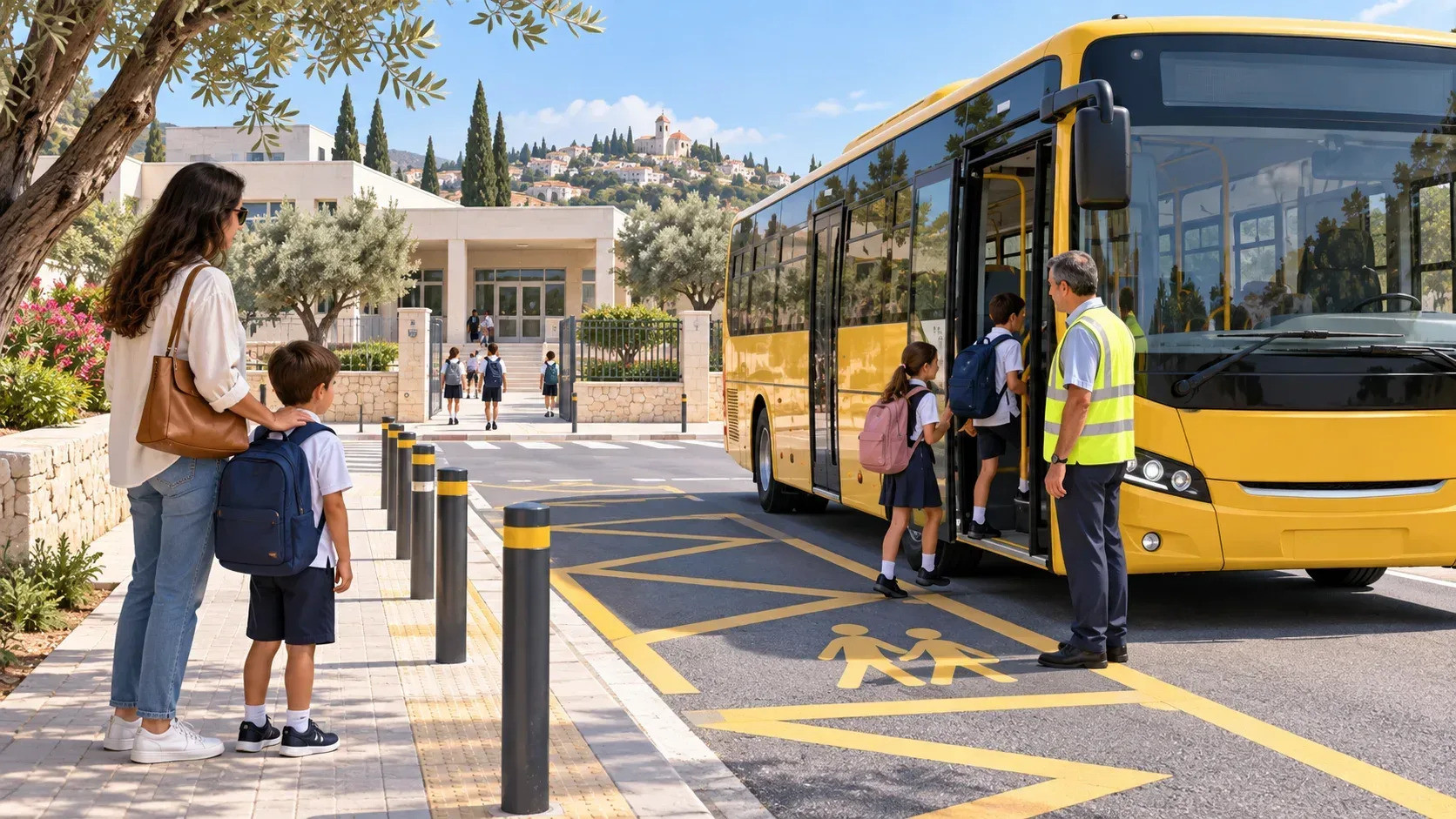
Both public and private schools offer school transport, but the systems work quite differently. In public schools, children usually travel on specially organised public transport routes. Travel is subsidised by the state: a monthly school pass costs €5 and an annual one €30. Routes are linked to the school catchment area, so the bus does not come to every home — it is better to check the nearest stop in advance.
Private schools work differently: many operate their own buses or hire private transport companies. Some offer several fixed routes around the city and suburbs, while others collect children directly from home through a “door-to-door pickup” service, sometimes with separate transport after after-school activities. This is considerably more expensive than public-school transport, so it is better to check the cost, route, nearest stop and whether a bus is available after extracurricular activities. If you plan to drive your child yourself, it is useful to test the route before the school year begins at the same time you will actually be travelling. You should take into account not only the distance, but also morning traffic, drop-off arrangements and parking.
In Cypriot cities, traffic around schools becomes especially heavy shortly before lessons begin — a journey that normally takes 10–15 minutes can take twice or even three times as long in the morning. The same applies to evening journeys if they fall during rush hour.
Parking is another issue worth considering. Some schools have a drop-off/pick-up zone where children can be quickly dropped off or collected, while in other cases parents have to find parking on nearby streets. You should not assume that you will be able to park directly outside the school gates every day — it is important to follow road signs, markings and school instructions. Parents of younger children should also find out in advance whether the child is allowed to walk from the drop-off point to the school entrance alone or must be accompanied.
Meals and daily routine
In a standard public primary school, children are provided with lunch on days when afternoon activities take place. The menu is usually prepared with the involvement of nutrition specialists, while the food is cooked off-site and served to children in the school dining area. Parents pay for meals. State assistance is available for children from families experiencing financial difficulties.
Private schools offer different options, including cafeterias where menus are prepared by experienced nutritionists. Pupils usually have several choices or can order meals in advance from a special menu. Some schools may also allow children to bring lunch from home. When choosing extracurricular activities, it is important to look at the child’s overall schedule. If the child has several activities after school, travel time and homework, an overly packed timetable can quickly lead to fatigue. Therefore, it is important to leave enough time for quiet activities and rest after school. Ideally, a child should have no more than one club or sports activity per day.
And, of course, there is no need to occupy your child every day after school. In practice, it is more convenient to start with 1–2 activities or clubs per week, see how the child copes with the workload, and only then add something else. When planning the schedule, it is worth leaving at least a couple of free days or evenings for play, family time, walks and simply relaxing.
Checklist before the first day of school
Before classes begin, it is worth checking not only school supplies, but also the entire organisation of the first day. This is especially important for children starting at a new school in Cyprus for the first time.
Documents, uniform and supplies
Before the school year begins, make sure that:
- your child’s enrolment has been confirmed and you know the class and teacher;
- the school has the parents’ up-to-date contact details;
- all required medical and administrative forms have been completed;
- school and PE uniforms and shoes have been purchased according to the requirements of the specific school;
- the school bag and pencil case are ready;
- the required notebooks, folders and stationery have been purchased according to the school’s list;
- a water bottle and, if necessary, a lunch box are prepared;
- your child’s belongings are labelled: uniform, PE clothes, bottle and school bag.
Route, timetable and school contacts
Before the first day, it is advisable to check in advance what time the school day begins and ends, as well as the location and time of the school-bus pickup if one is used.
If your child is being driven to school, find out where children may be dropped off, where the main entrance is and where the child should go.
It is also important to check the timetable and PE days, lunch times, meal rules and the schedule of extracurricular activities. Make sure you have the contact details of the class teacher, school secretary and school office, and find out which app or other system the school uses to communicate news and changes to parents.
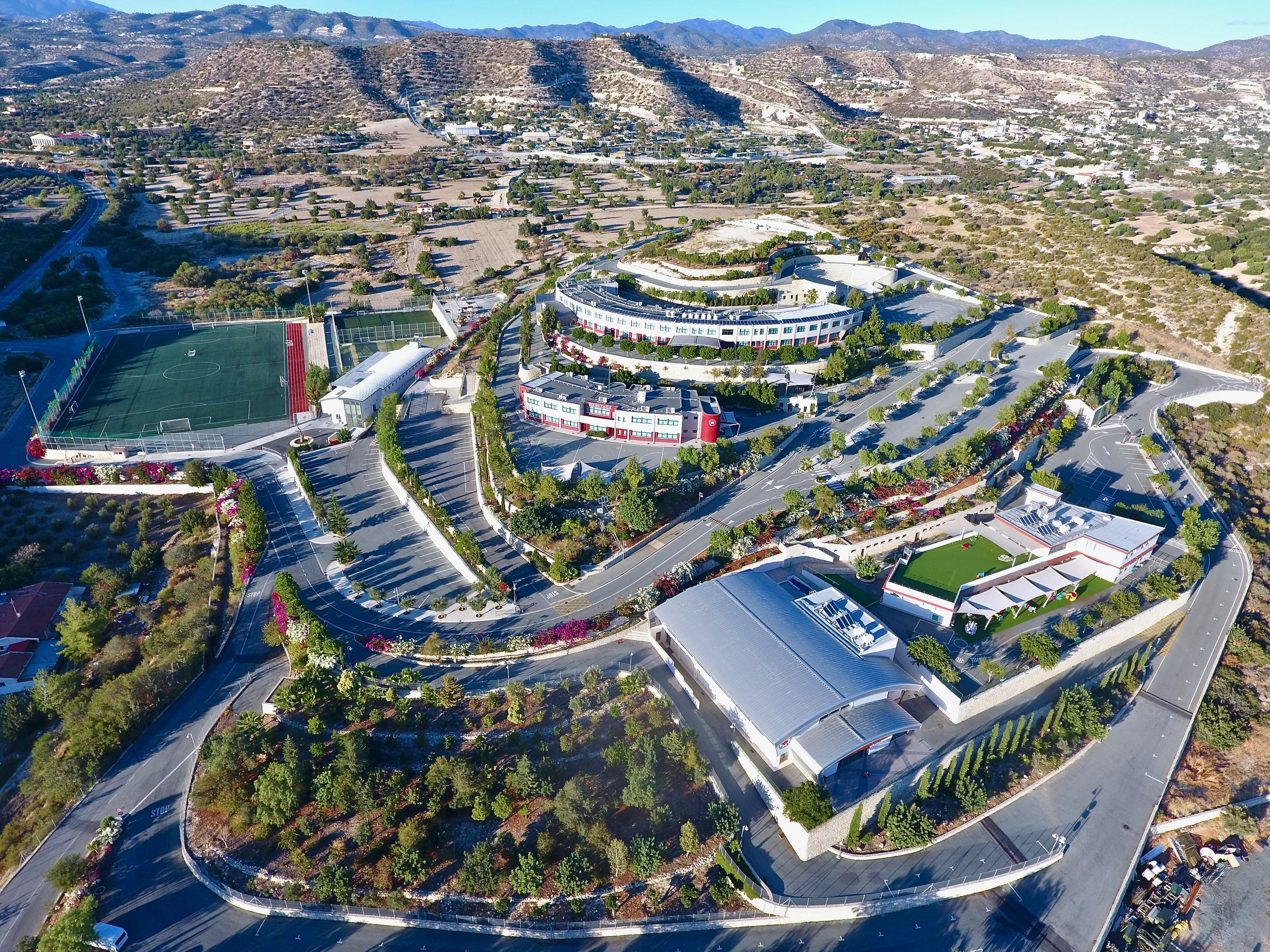
The first day of school is a very exciting moment, and the way you prepare for it — and the mood in which your child goes to school — can set the tone for the entire academic year. It does not really matter whether your child attends a public or private school — the most important thing is that they feel interested, comfortable and safe. And if you are planning to live close to the school, it is worth checking current apartment rental listings in the area you are interested in.
Read also:
- 5 Historic Buildings in Limassol That Found New Life and Transformed the City
- Taxis in Cyprus: Apps, Prices and How to Book
- Winter in Cyprus — Does It Snow and How Cold Does It Get?
- Top 10 New Developments in the Free Areas of Famagusta to Be Completed in 2026
- Second-Hand Shops in Cyprus: Charity Shops by City