August is over, but that is no reason to relax. In Cyprus, September is still hot during the day, and summer effectively continues. Meanwhile, your car continues to suffer from the sun just as much as it does at the height of summer: the interior heats up within minutes, while the battery operates under increased strain. In this article, we explain what you can do to prevent damage. How to protect the interior and battery, where to park so your car does not turn into an oven, and what to pay attention to in local conditions.
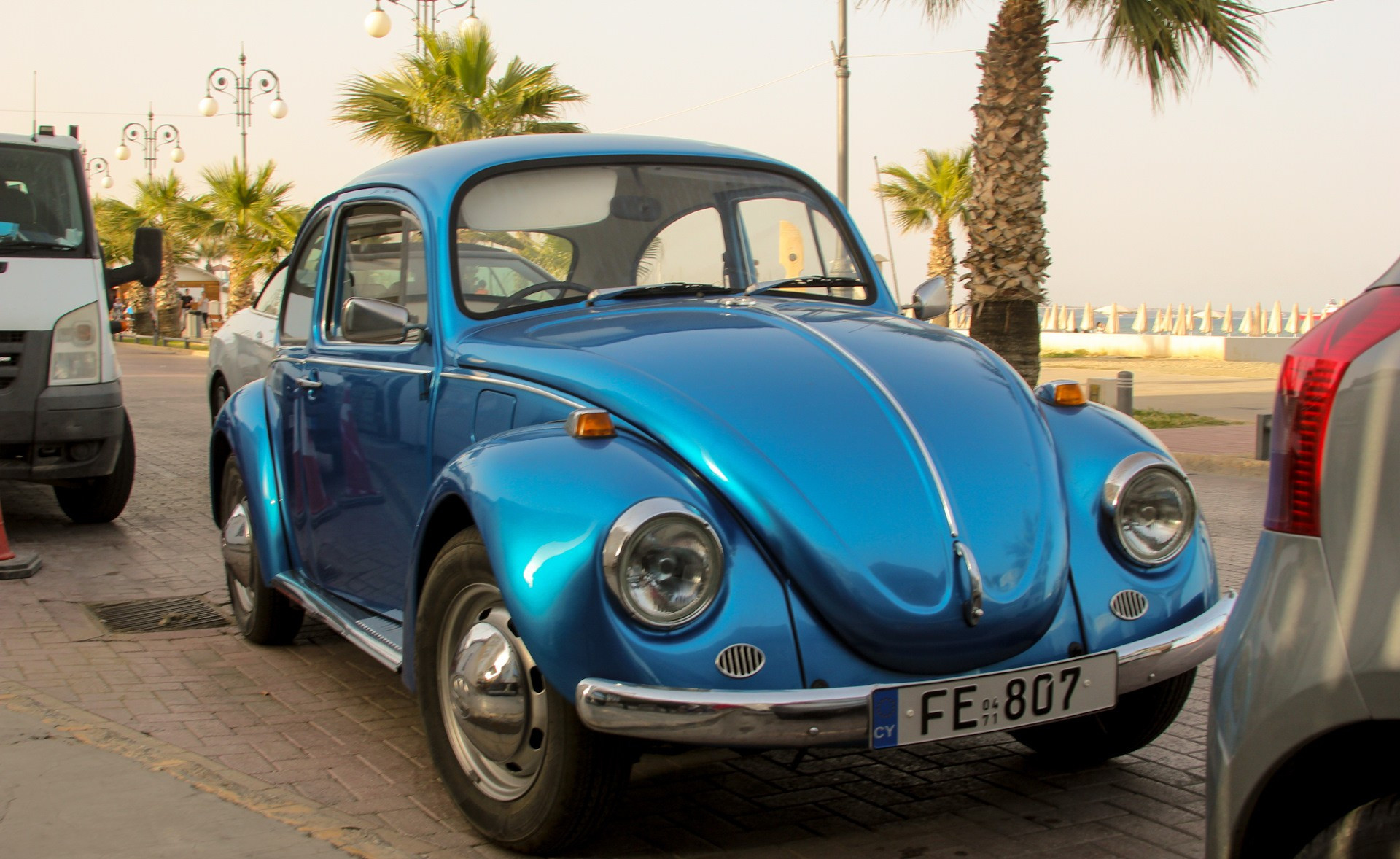
Where to park your car in Cyprus during summer
In summer, even a couple of hours under the blazing sun can seriously affect a car: paint fades, leather seats crack, and tyres and batteries wear out much faster than usual. And if the heat is already difficult for conventional cars, electric vehicles can be even more vulnerable, as their electronics are particularly sensitive to overheating. So in Cyprus during summer, where you park is not a minor detail but something that can directly affect the condition of your car. Let us look at how to park properly to minimise heat-related damage.
Carports, underground parking and natural shade
The best option for long-term parking is an underground car park: there is no direct sunlight, and the temperature usually remains several degrees lower than outside, even on the hottest days. As a result, the car heats up much less — the steering wheel does not burn your hands, the seats do not need to be cooled before you get in, and the battery and other components are not exposed to constant heat.
So if you have a choice between an open car park and an underground one, the underground option is preferable in summer. The problem is that underground parking is not available everywhere. The second-best option is covered parking or a carport. This significantly reduces exposure to direct sunlight and can make a big difference if the car is parked for several hours. However, over an entire day in the Cyprus summer, the car can still become extremely hot. Natural shade is another logical solution. However, do not assume that a car will remain cool just because it is parked in the shade. The interior can still heat up considerably due to the surrounding temperature, and the temperature inside a parked car may rise far above the outdoor temperature.
Risks of parking under trees
If there is no underground parking or carport nearby, parking in the shade of Cyprus trees can be a reasonable alternative that noticeably reduces the heating of the interior. But it is not an ideal solution, especially if the car is left there all day. First, the sun moves across the sky, so sooner or later the rays may begin to penetrate the foliage from a different angle. Second, leaves, flowers, branches and fruit can fall from trees, clog drainage channels and collect on the windows and bodywork. In windy weather, a larger branch may even scratch the car. Tree sap and bird droppings are another issue — such stains are not easy to remove and may seriously damage the paintwork.
If there is no other option, it is better to choose shade from a healthy tree with strong branches. If the car will remain there for only an hour or two, the shade usually justifies the relatively minor risks. But if you are leaving the vehicle for the entire day or for several days, parking beneath Cyprus trees is not the best choice, and covered parking is preferable.
How to reduce interior heat
If you have no choice and have to leave your car in direct sunlight, there are several simple ways to reduce the heat inside. These measures are also useful even if you park under a carport or in the shade of trees.
Sunshades and permitted window tinting
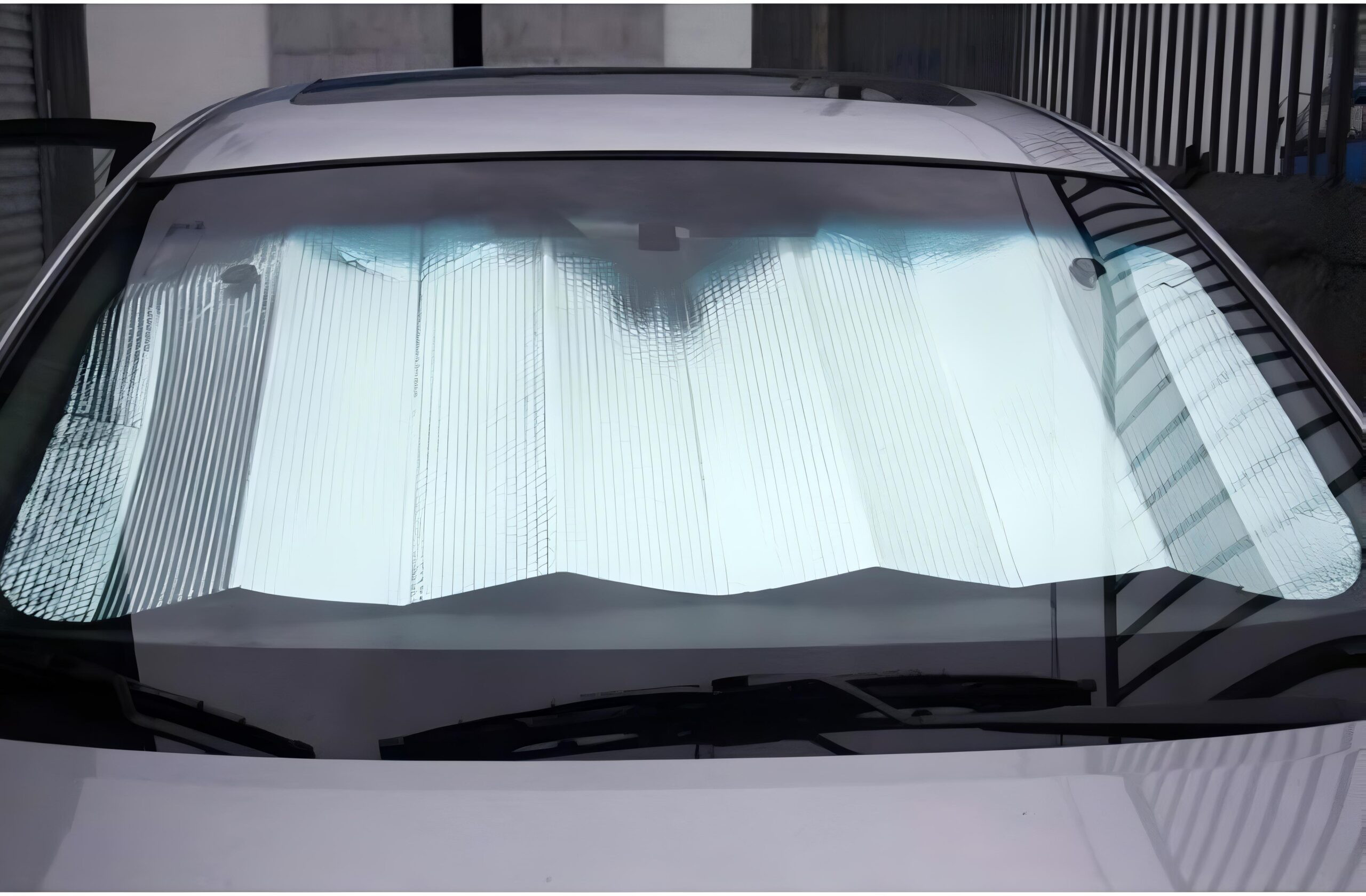
In Cyprus, a reflective sunshade is not a luxury in summer but a necessity: use one whenever the car will be left in the sun for more than a couple of hours. Choose a model with a reflective surface and a size that covers the entire windscreen from edge to edge — smaller versions are noticeably less effective.
If the car is parked in the sun all day, shades for the rear side windows can also be useful, especially if children sit in the back or you keep belongings there. Upholstery fades quickly under constant sunlight, and window shades help reduce this problem.
Window tinting requires more caution, because Cyprus has strict rules. According to the Department of Road Transport, the windscreen must remain clear, with only a top strip of no more than 6 inches permitted. Front side windows must allow at least 35% of light through, while the rear side windows and rear windscreen must allow at least 15%. There are, however, exceptions: in certain cases, darker factory-fitted glazing is permitted.
Protecting seats, the steering wheel and dashboard
Constant exposure to sunlight and high temperatures can contribute to fading and ageing of materials inside the car. Leather and dark-coloured seats, for example, heat up especially strongly and may eventually crack from repeated direct exposure to sunlight. You can protect the seats with light-coloured covers or simply place a lightweight pale fabric over them if the car is going to remain parked for a long time.
The steering wheel can also become extremely hot in direct sunlight — sometimes hot enough to be uncomfortable or even painful to touch. A steering wheel cover or the same windscreen sunshade can help. The dashboard also needs protection, and in most cases a standard sunshade does a good job. If you want extra protection, you can add a dedicated dashboard cover. Just make sure it does not block ventilation or interfere with airbag deployment zones.
How to cool the interior properly before driving
No matter how well you protect the car, if it has been sitting in the sun for a long time, the interior will probably be extremely hot. It is better not to get in and drive immediately. First, cool the cabin down, otherwise you risk touching overheated surfaces or being hit by a blast of very hot air. The principle is simple: first release the hot air, then start cooling. Here is how:
- Open the doors or windows for a couple of minutes to let the trapped hot air escape.
- Switch on the air conditioner using outside-air intake mode so the hot air leaves the cabin faster.
- Once most of the heat has escaped, switch to recirculation. The air conditioner will then cool the already somewhat cooler air inside the cabin instead of constantly drawing in hot outside air.
- Once the temperature becomes comfortable, you can start driving.
Incidentally, the air conditioner usually cools the cabin more effectively while the car is moving than when you are simply sitting stationary with the engine running.
What happens to tyres in hot weather
In summer, tyres are exposed to heat from all directions — hot air, scorching asphalt and direct sunlight. Over a relatively short period, this combination can seriously damage the rubber. Here is what deserves attention first.
Checking tyre pressure and wear
Heat causes the air inside a tyre to expand and the pressure to rise, which by itself is not necessarily a problem. Problems begin when the tyre was already incorrectly inflated, heavily worn or damaged — in that case, high temperatures can become the final trigger. Overinflating tyres in the Cyprus heat is not recommended. Driving with insufficient pressure is even more dangerous. An underinflated tyre deforms more while moving, generating additional heat. Combined with Cyprus summer temperatures, this places extra stress on the tyre.
Tyre pressure should be set according to the vehicle manufacturer’s recommendations, but it is also important to check it correctly. Ideally, measure the pressure when the tyres are cold — before driving or after the car has been parked for several hours. Use the value specified by the manufacturer, which can usually be found:
- on a sticker in the door frame;
- on the inside of the fuel filler flap;
- in the vehicle manual.
During summer in Cyprus, it is sensible to check tyre pressure around once a month and before a long journey. Pressure is not the only indicator of tyre safety. Condition and wear also matter. A quick visual inspection before driving can help identify a problem before it becomes dangerous. Pay particular attention to:
- tread depth;
- evenness of wear;
- foreign objects in the tread;
- sidewall damage;
- unusual bulges or deformation.
Cracks in the rubber are another warning sign. They appear due to ageing and ultraviolet exposure, and this is particularly relevant in the Cyprus climate. It is worth inspecting the sidewalls and tyre surface from time to time, especially if the car is frequently parked outdoors in summer. If you notice deep or numerous cracks, sidewall damage or other signs of deteriorating rubber, do not delay — it is better to consult a specialist immediately.
A bulge on the sidewall is also a serious warning sign because it indicates internal structural damage. In such a case, inflating the tyre or carrying out a standard puncture repair will not solve the problem — the tyre needs to be replaced. Do not forget the spare tyre either. It also loses pressure over time even if it has never been used, and because it remains inside the car, it is exposed to heat as well. The recommended pressure for a spare wheel may differ from that of the regular tyres, so check the manufacturer’s instructions.

How heat affects the battery
In hot weather, temperatures under the bonnet are always higher than outside, especially if the car spends long periods parked in the sun. Constant heat also puts significant stress on the battery: it wears out faster and may fail well before the typical 3–5-year service life. Importantly, a battery may already be close to failure without showing obvious symptoms. So the fact that the car still starts normally does not necessarily mean the battery is in perfect condition. Nevertheless, some signs of weakening can be noticed without special equipment, for example:
- The engine starts more slowly than usual.
- Clicking sounds when starting.
- Dim or flickering lights.
- Electronics operate inconsistently.
- The battery warning light appears.
- The car increasingly needs jump-starting.
- Corrosion appears on the terminals.
If you notice swelling of the battery casing or an unusual smell, this is a clear sign that the battery should be replaced as soon as possible.
When to check or replace the battery
It is generally considered sensible to test a battery annually once it is more than three years old. But even if the battery is still relatively new, it can be useful to visit a mechanic before the hot season begins. They can check the voltage, starting performance and condition of the terminals. At the end of summer, it may be worth repeating the inspection to identify problems that could have developed during the hottest months.
Many drivers wonder whether a battery should be replaced simply because it is three years old. In reality, age is not the main factor — actual condition matters much more. Nevertheless, the battery should be replaced if it:
- does not hold a charge properly;
- performs poorly during testing;
- regularly requires charging or jump-starting;
- has cracks, swelling or signs of leakage;
- noticeably affects engine starting.
In all of these cases, it is better not to delay. Contact your mechanic and arrange a battery replacement.

Cooling system and air conditioning
In Cyprus during summer, a properly functioning engine cooling system and air conditioner are essential. That is not an exaggeration. Temperatures under the bonnet rise sharply, and the interior gets extremely hot in the sun as well. Both systems therefore work under heavy load throughout summer.
Coolant, radiator and the risk of engine overheating
The cooling system has one main task — preventing the engine from overheating. Avoiding overheating in Cyprus during summer requires particular attention to vehicle maintenance, especially regular checks of the coolant and radiator condition. If the coolant level is too low or the radiator is struggling, the temperature may rise sharply within minutes, especially in traffic, at low speeds or while the air conditioner is operating in a stationary vehicle. One important point should be kept in mind: heat alone should not cause a properly functioning car to fail. If the engine regularly runs hotter than normal, the issue is not the weather but a fault that should be diagnosed rather than tolerated. So where should you start? Let us go through it step by step.
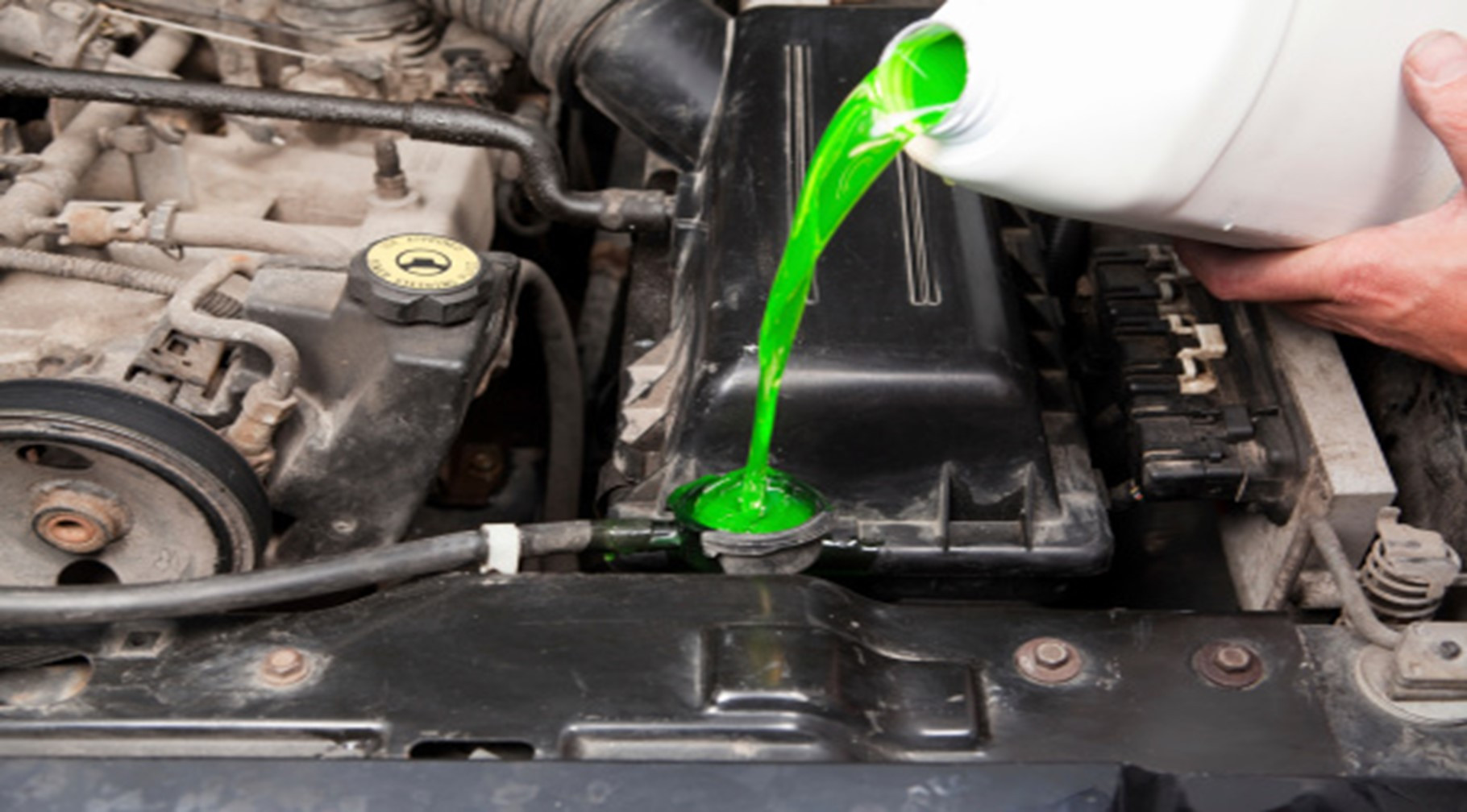
First of all, check the coolant. This fluid works throughout the year: it regulates engine temperature and also protects the system from corrosion and deposits. Before summer, check the coolant level in the expansion tank, look for signs of leaks and inspect hoses and connections. Most importantly, never open the expansion tank cap while the engine is hot, as hot liquid or steam can cause serious burns. Coolant replacement intervals depend on the vehicle model and manufacturer recommendations. In many cases, coolant lasts around 2–5 years, while more modern formulations may last even longer. If the coolant level constantly drops, that is not normal and the source of the leak must be found. The radiator, meanwhile, removes heat from the coolant. In Cyprus, it is important to make sure its outer surface is not heavily clogged with dust, insects or debris. You should also check that the radiator fan is working properly and watch for the following signs of possible overheating:
- the temperature gauge rises above its usual level;
- a warning appears on the dashboard;
- steam comes from under the bonnet;
- an unusual smell appears;
- the vehicle begins losing power or running irregularly.
If you notice the engine overheating, stop in a safe place and allow the car to cool down. If the overheating is serious, especially during the Cyprus summer, it is better to call for assistance rather than trying to deal with the issue yourself. When the outside temperature reaches +40°C, working air conditioning is no longer a luxury but a necessity inside the car. If the system starts cooling more slowly or less effectively, blows warm air or makes unusual noises, it is time for a diagnostic check.
At a service centre, technicians can check the refrigerant level and look for leaks, as well as inspect the compressor, air-conditioning system, cabin filter and other components. The main thing to remember is that a properly functioning cooling system should cope with Cyprus summer heat without problems. If overheating becomes a recurring issue, it is not simply a “feature of the climate” but a reason to have the car inspected by a mechanic.
What you should never leave in a closed car
The Cyprus sun should not be underestimated. It can heat the interior of a car to dangerous temperatures within minutes. A closed vehicle in direct sunlight quickly turns into a greenhouse. Even if the outside temperature seems manageable, the temperature inside a parked car can rise to critical levels very quickly. Never leave children or animals alone in the car — even if the windows are slightly open, the car is in the shade and you plan to be away for “just a couple of minutes”. You can never know exactly how long you will be delayed, and the interior can heat up rapidly. Children and animals are also much more vulnerable to heat than adults. Air conditioning is not a guarantee either. The engine may stop, or the air conditioner may shut down at any time.
The rule is simple: if you need to step away from the car, take your child or pet with you. That is safer than relying on any precaution.
Items inside the car also suffer from heat. Electronics such as smartphones, laptops, tablets and cameras are better not left inside, as high temperatures damage batteries and reduce their lifespan. Particular caution is needed with power banks and other devices containing lithium-ion batteries, as overheating can become genuinely dangerous.
Medicines also do not belong in an overheated car. Heat can change the properties or reduce the effectiveness of many medications, especially if their instructions specify a particular storage temperature. This should always be checked on the packaging. A cool pack may help for a short period, but for long stops it is better not to take the risk.
Another category of items worth removing before leaving the car in the sun is pressurised containers: deodorant sprays, hairspray, car-care aerosols, paint and similar products. Strong heat increases the pressure inside the container, so keeping such items on the dashboard or under the windscreen is a bad idea. The same applies to lighters, gas canisters and other potentially hazardous containers — they should not be left in a car during summer.

Driving and maintaining a car in the Cyprus heat has its own challenges: it is important to keep a close eye on the tyres, battery and cooling systems. However, if you take proper care of the vehicle and avoid leaving it exposed to direct sunlight for long periods, you can reduce the risk of unpleasant consequences and expensive repairs. And if you want to protect your car more effectively from intense sun and other weather conditions in Cyprus, consider renting a modern apartment with underground parking.
Read also:
- Lefkaritika: Cypriot Lace That Conquered the World and Became UNESCO Heritage
- Taxis in Cyprus: Apps, Prices and How to Book
- Winter in Cyprus: Does It Snow and How Cold Does It Get?
- Top 10 New Developments in the Government-Controlled Areas of Famagusta Due for Completion in 2026
- Top 10 New Developments in Paphos Due for Completion in 2026